Space Technology: A Giant Leap for Machining?


What do you think of when we talk about machining and space?While the topic might bring to mind images of an intergalactic job shop, the reality is that the space technology market is seeing massive growth, spelling big things for machining. The space technology market is set to skyrocket over the next decade, reaching $916.85 billion by 2033.Aside from space exploration, the boom in space technology is driven by an increased demand for low earth orbit (LEO) satellites. This technology is in demand for a variety of use cases including supply chain management, climate monitoring and telecommunications.Moreover, as technology evolves and space missions become more ambitious, the ability to produce essential parts on-demand in the vacuum of space is transforming our approach to off-Earth ventures. It should come as no surprise that producing this technology is highly specialised and requires precision engineering: that’s where machining comes in. Here we examine how machining could be taking a step into manufacturing’s new frontier.
Why machining?
[spacer height="50px"][caption id="attachment_40678" align="alignnone" width="1000"]
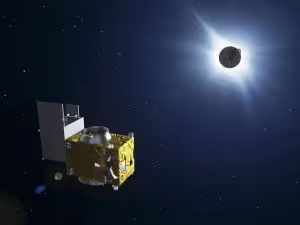
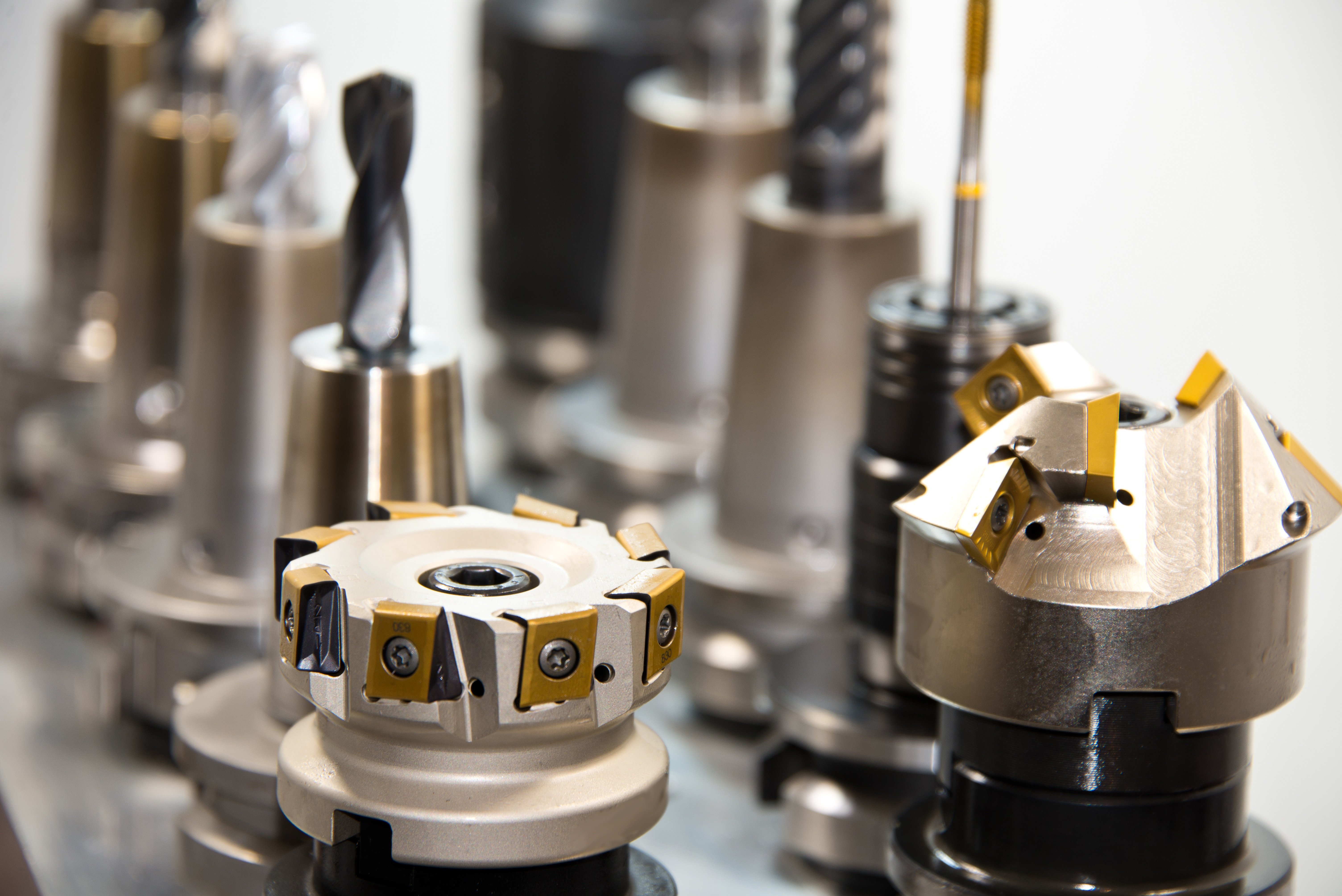
Image courtesy of Redwire[/caption][spacer height="50px"]Of course, CNC machining has long been a cornerstone of manufacturing. The benefits of CNC machining are vast, allowing for precise production of high-volume parts. This ability to machine precisely sets machining apart from other production processes.According to CEO & Managing Director of PRV Engineering Simon Jones, when building a spacecraft every component, “from the smallest screw to the largest wing, must be manufactured to the highest degree of precision and accuracy. Failure to do so could lead to catastrophic consequences, such as equipment malfunction or loss of life.”As advanced manufacturing company, Ethereal Machines points out, machining also lends itself well to the tough conditions required by space. Since space is a brutal atmosphere, materials must be able to withstand intense radiation, vacuum, and severe temperature fluctuations. As such, titanium alloys and advanced polymers are used in space building. As such, CNC machining is ideal for precisely shaping these materials and “ensuring that these materials possess the necessary thermal stability and radiation resistance. This aspect is critical, considering the unforgiving nature of space.” Furthermore, advances in hybrid CNC and additive manufacturing mean more opportunities for machinists. As we discussed in a recent article, while machining and additive manufacturing each have their benefits, they also have their limitations. The growing trend of hybrid manufacturing fills in the gaps in these production processes. As 3D printing makes major strides in space technology, hybrid solutions could see machining used for part post-processing.In fact, according to NASA, there is a wide range of manufacturing processes that would require machining for post-processing including Directed Energy Deposition (DED), MELD and Ultrasonic Additive Manufacturing.
A Job Shop in the Stars
[spacer height="50px"][caption id="attachment_40680" align="alignnone" width="1000"]
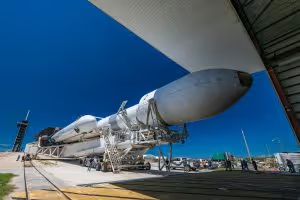
Image courtesy of Redwire[/caption][spacer height="50px"]Walker Precision Engineering has claimed that there are over 500,000+ parts within satellites in orbit. While this fact is undeniably impressive, might we be moving towards a future where these parts are not only used in space but also made in space?Despite being an interesting thought exercise, the potential advantages of being able to machine parts could be immense. The ability to manufacture parts in space reduces the need for extensive spare parts inventories on missions, significantly cutting down on weight and cost. This is especially crucial for long-duration missions to the Moon, Mars, and beyond. Moreover, the capability to create bespoke parts on demand enhances the safety and flexibility of space missions, enabling immediate responses to unforeseen issues.Of course, one of the primary challenges of machining in space is managing the microgravity environment. On Earth, gravity helps to settle debris and maintain the positioning of materials and tools. Additionally, the vacuum of space affects the properties of materials, necessitating new approaches to cutting, cooling, and tool durability.However, could this drawback also have its advantages?
In-Space Manufacturing
[spacer height="50px"][caption id="attachment_40682" align="alignnone" width="1000"]

Image courtesy of Space Forge[/caption][spacer height="50px"]Of course, manufacturing in space isn’t impossible, it isn’t even all that new. In January 2024, the European Space Agency (ESA) made headlines with the news that, as part of a collaboration with Airbus, the first metal 3D printer for space had blasted off. However, 2024 marks the tenth anniversary of the first plastic 3D printer in space.Nevertheless, these events also represent the microgravity or in-space manufacturing sector. Advocates of in-space manufacturing argue that for some manufacturing processes space provides the ideal working environment.According to Joshua Western, CEO of in-space technology manufacturer Space Forge, “Space is a much better place to do almost any industrial process. [...] We live on a planet where we’re weighed down by gravity. We made ovens, refrigerators and the vacuum pump to help manufacture products on earth, but if you go to space, you get those benefits for free.”Space Forge offers “microgravity as a service” and argues that in-space manufacturing is ideal for manufacturing products such as pharmaceuticals or the forging of alloys that would be otherwise impossible to forge on Earth.If additive manufacturing can be done in space, could machining be next? Nevertheless, before job shop owners start drawing up plans for a job shop on the moon, there are still a variety of challenges to overcome before CNC machining becomes viable in space. In-space manufacturers must account for the logistics of transporting CNC mills as well as managing chip collection and coolants in zero gravity. Nevertheless, with companies like Redwire Space working globally to research in-space manufacturing possibilities, space subtractive manufacturing could be on the cards.
To boldly go where no machine shop has ever gone before
[spacer height="50px"][caption id="attachment_40688" align="alignnone" width="1000"]

Image courtesy of Airbus[/caption][spacer height="50px"]CNC machining is instrumental in the building of parts for the space industry. The capabilities of machining technology are well-suited to building the complex parts required for space vehicles, satellites and fixtures.Beyond this, the potential applications of CNC machining in space are as vast as the cosmos itself. From building habitats on the Moon to constructing spacecraft in orbit, the ability to manufacture in space is poised to revolutionize how we explore and utilize our solar system. While there are still major challenges in making subtractive manufacturing a viable option, the in-space manufacturing movement continues to build steam. CNC machining in space may not just be a futuristic concept. We may be moving towards a future where manufacturing in space is as routine as it is on Earth. Are the stars the limit; or are they just the beginning?


.avif)
.svg)