Will Private Equity Take Over Custom Part Manufacturing?



The CNC machining industry is at a pivotal juncture, undergoing a transformative wave of market consolidation. Traditionally fragmented and decentralized, this sector is increasingly catching the attention of private equity firms eager to exploit its ‘largely untapped’ potential. Miami-based private equity firm White Wolf Capital Group exemplifies this trend with its aggressive strategy, acquiring and merging nine precision machining companies across eleven locations in the U.S. and Canada - an approach they describe as ‘hungry like a wolf.’
This surge in consolidation reflects a broader shift in capital markets. Since the mid-2000s, private equity has ballooned, a ‘megatrend’ that is increasingly turning its capital and management expertise towards the middle and lower-middle market to sustain returns. This shift is fuelled by market cap domination by a handful of tech giants, leaving less room for growth in traditional public markets. This overarching evolution is described by 'Big Four' accounting firm Ernst and Young as ‘one of the most profound shifts in capital markets since the 19th century.’ Custom part manufacturing, with its high demand and untapped potential, has emerged as fertile ground for this shift, with Craig Ladkin of FOCUS writing that the industry is 'in the early stages of change that will fundamentally reorder its ownership structure over the next few years.’ Since 2020, mergers, acquisitions, and partnerships in this space have surged, with whole firms emerging exclusively concentrated on middle and lower-middle market job shops. The stakes are high: while consolidation brings efficiencies and innovation, it also challenges small shops to evolve - or risk being left behind.
What’s Driving Consolidation?
Skyrocketing Costs: Rising prices for raw materials, skilled labor, and advanced machinery are squeezing small shops. Larger companies, with their economies of scale, can weather these increases more easily, pushing smaller businesses toward mergers to survive.
Demand for Precision: Industries like aerospace, defense, and medical devices are setting the bar higher with tighter tolerances and exotic materials. Defense contracts, for instance, require strict adherence to standards like the Cybersecurity Maturity Model Certification. For smaller shops, keeping up with these demands often means selling or merging with better-equipped firms.
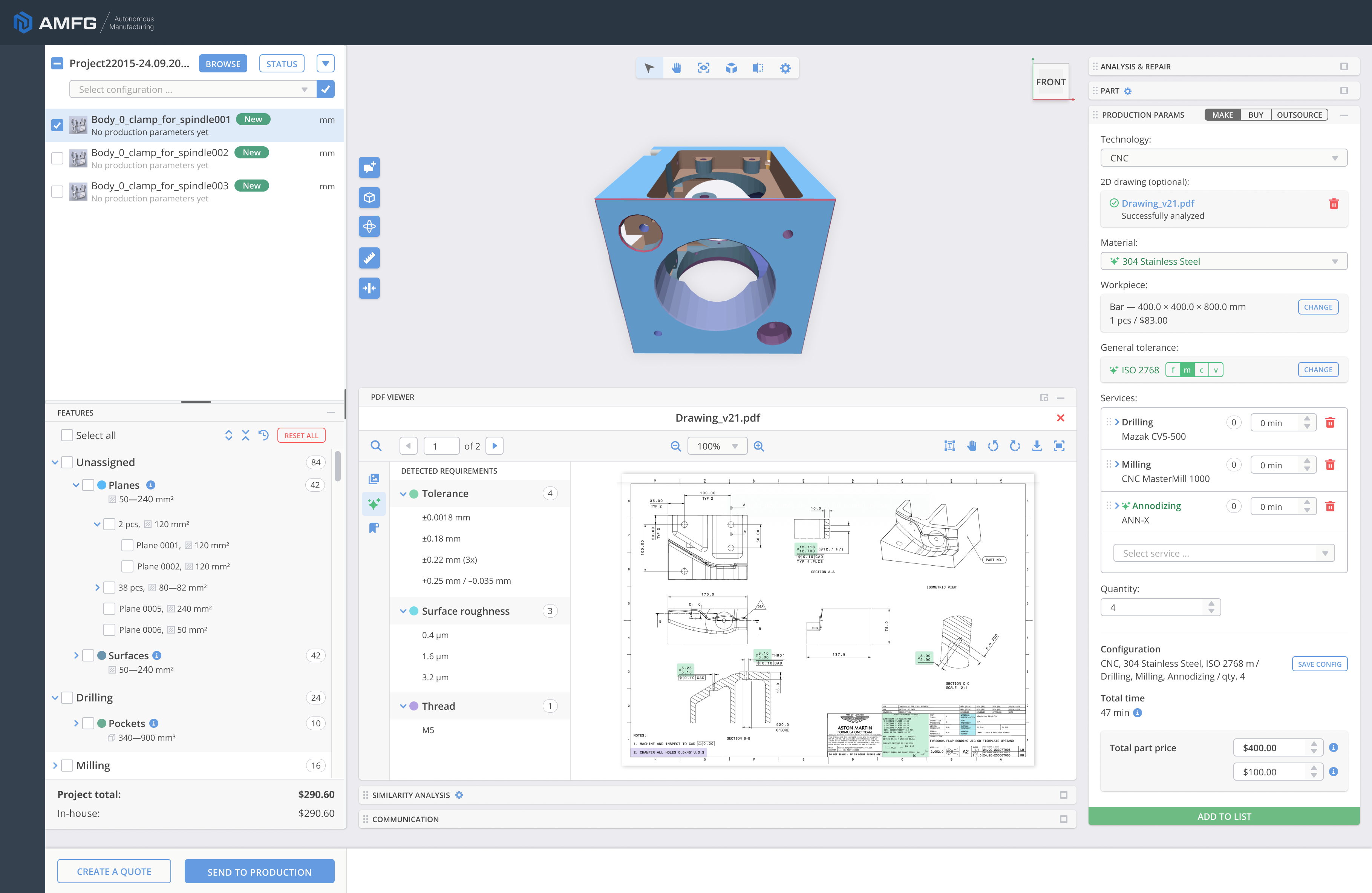
Tech Transformation: Industry 4.0 - smart factories, automated workflows, and AI-driven quoting tools - is leaving tech-lagging shops behind. Consolidation offers smaller players a lifeline to access cutting-edge technology.
Succession Hurdles: Family-run shops without clear succession plans are opting to sell rather than face uncertain futures. Private equity firms and larger companies are stepping in, eager to scoop up well-established businesses.
Private Equity Boom: Private equity firms are increasingly turning their attention towards custom part manufacturing. Their consolidation strategy combines smaller shops into streamlined operations with broader reach and profitability.
Consolidation: Benefits and Challenges
The Upsides:
Efficiency Gains: Mergers reduce redundancies, streamline processes, and lower costs.
Access to Innovation: Acquired shops can gain more advanced tools, technology, and broader customer networks.
Customer Perks: Faster lead times, competitive pricing, and expanded services. ; including creating groups/conglomerates that can take care of all needs across defense, aerospace, space, telecommunications, and industrial.
The Downside for Small Shops:
Price Wars: Consolidated giants can undercut pricing, squeezing smaller competitors.
Loss of Local Charm: Larger operations may sacrifice the personal touch that smaller shops thrive on.
Autonomy Sacrificed: Selling out means giving up control, which can be a difficult decision to make for business owners deeply tied to their work.
Tech Pressure: As the industry consolidates, there is increasing pressure to adopt advanced technologies. For shops unwilling or unable to invest, survival becomes a challenge.
How Can Small Shops Fight Back?
Small job shops aren’t out of the game yet. Here’s how they can stay ahead:
Specialize: Become an expert in niche industries or complex applications that larger companies struggle to handle.
Elevate Customer Service: Personalized attention, quick responses, and adaptability go a long way in winning loyal customers.
Adopt Technology: Affordable automation tools and quoting software can boost productivity without breaking the bank.
Collaborate: Strategic partnerships let smaller shops share resources and maintain independence.
What Lies Ahead
Consolidation is reshaping the custom part manufacturing landscape, but it’s not the end for small shops. It’s a call to action: innovate, adapt, and thrive. As Charles Darwin didn’t quite say, “It’s not the strongest or the smartest who survive, but those most adaptable to change.”With the right strategies, small shops can leverage their strengths, embrace change, and find new ways to compete in an evolving market. The future isn’t just about survival - it’s about redefining success.


.avif)
.svg)