Latest Updates in Sustainable Additive Manufacturing



Distributed manufacturing, customizable products and complex geometries. Is there anything that Additive Manufacturing can’t do? Another major string in its bow is its role in contributing to sustainable production. When it comes to manufacturing, sustainable manufacturing isn’t just a buzzword, it represents company policies and a major global industry valued at $215.4 billion in 2024. Of course, here at AMFG we’ve previously explored the sustainable potential of AM. Here we share the latest leaps made for AM and sustainability.
Green Printing

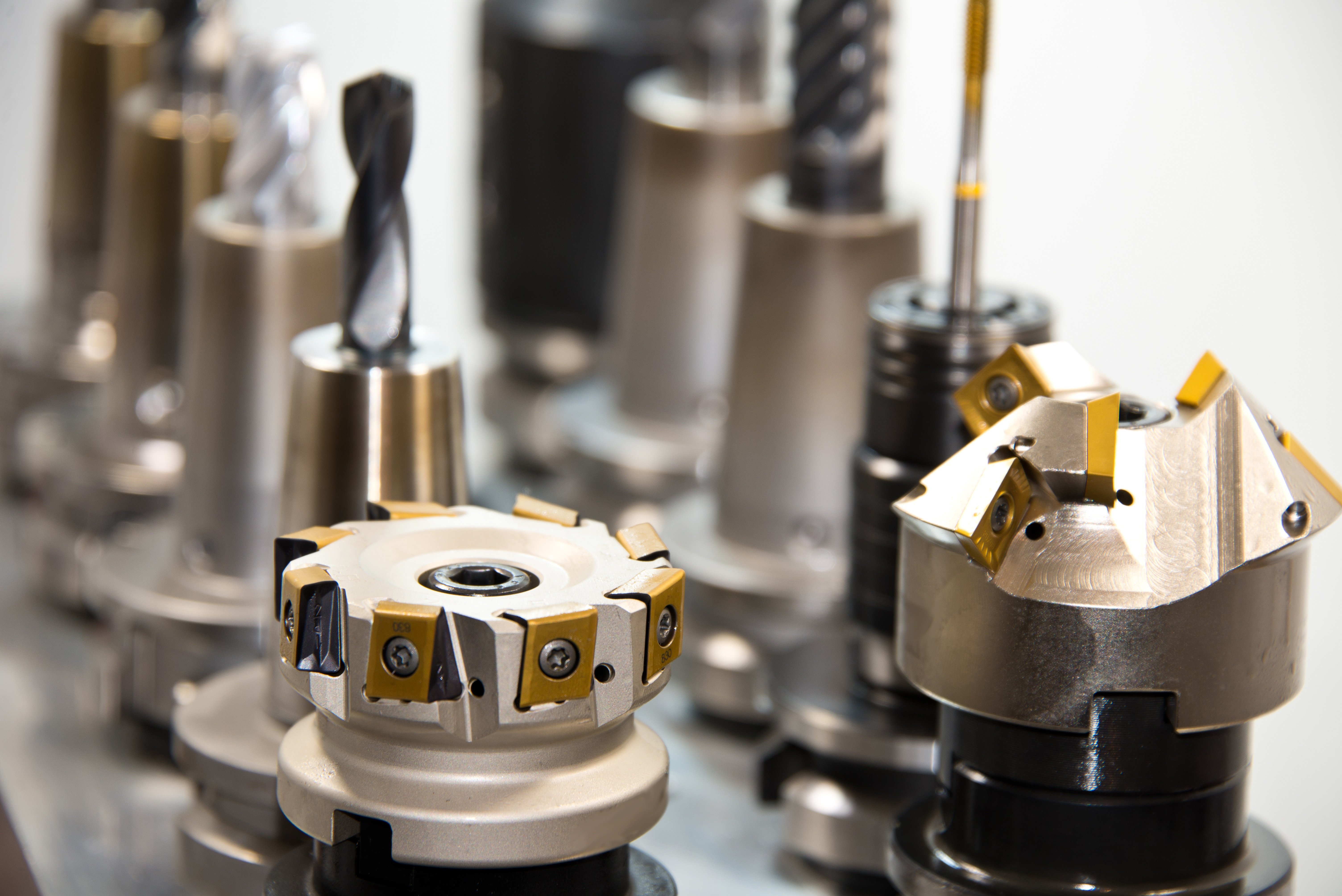
Image courtesy of Matheus Bertelli via Pexels
In an article released earlier this year we highlighted the ways that additive manufacturing (AM) makes it a sustainable choice. Additive manufacturing methods allow manufacturers to access a whole range of benefits. The elimination of tooling and lower buy-to-fly ratios means that additive manufacturing has a higher rate of material efficiency. Moreover, design optimisation and reduced material sourcing mean better energy conservation. Similarly, the distributed manufacturing capabilities offered by additive manufacturing cut down on the need for transport and the use of energy that that requires. Moreover, through extending the lives of products, additive manufacturing offers an opportunity to reduce material waste. By facilitating the creation of “highly optimized or customized parts”, producing a part through additive manufacturing has the potential to extend a product’s life.
While this is all very positive, researchers also point to ways that additive manufacturing can become even more sustainable. As Bernhard Langefeld highlights, "For all its ability to go where conventional manufacturing has never gone before, additive manufacturing has the potential to get greener – and a lot more transparent."
However, the projects highlighted here are steps in the right direction of AM’s green future.
Building Better

Image courtesy of TCT[/caption]As with other industries, sustainability has become a major talking point for construction as scientists look to develop construction methods that minimise their impact on the environment. Only a few weeks ago came the news that researchers at ETH Zurich developed “a new robotic additive manufacturing method for circular, low-carbon material, which it hopes can help to make the construction industry more sustainable.”
The processes uses construction robots that release Earth-based materials from above to create structures, i.e. walls. According to TCT magazine, “On impact, the parts bond together, with only 'very minimal' additive required.” It’s difficult to overstate the environmental impact of cement. In 2019, one Guardian article labels concrete “the most destructive material on Earth” and points out that if the cement were a country “it would be the third largest carbon dioxide emitter in the world.” Therefore, any process that reduces the need for concrete is helping to boost sustainability in the sector.
Moreover, “[u]nlike concrete 3D printing, the process does not require any pauses during which the material can solidify.” If this method can be used on an industrial scale it could have a major impact on the emissions released through construction.
A Material Difference
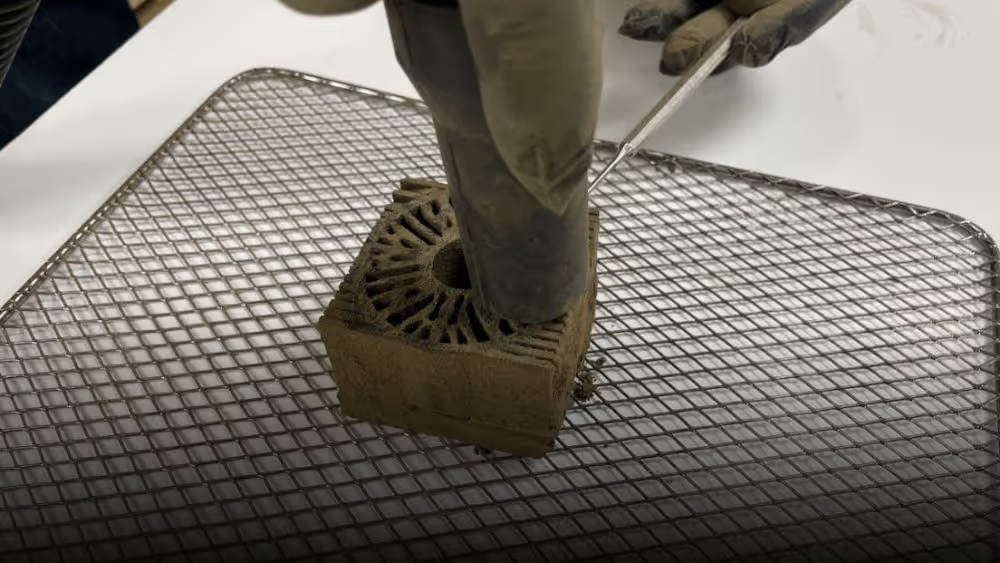
Image courtesy of TCT 2
Construction isn’t the only area where additive manufacturing is seeing a positive impact when it comes to sustainability. Earlier this month, additive manufacturing magazine TCT did a profile on DESCR CFP which is developing a more sustainable AM printing material called lignAM. The development of LingAM dates back to 2015 where Patrick Morris, product designer at the Royal College of Art explored different applications of Whitby jet. Whitby jet is a “fossilised carbon material which is dug out of the rock face from Yorkshire’s Jurassic Coast and carved into jewellery.” These investigations led to the discovery of ligin and later the creation of LingAM.Lignin is typically used as fuel or filler in cattle food which leads to its reabsorption into the atmosphere. By using it as an AM material, CFP aims to lignin for industrial purposes and later turn it into biochar at the end of the product lifecycle, which secures the carbon underground, and can also be used in applications in water quality, soil fertility, and agriculture.”
The result is a form of graphene that’s “100% recyclable” with any unused powder available for reprinting.
Final thoughts

Image courtesy of TCT 3
The potential for additive manufacturing (AM) to advance sustainable practices across industries is becoming increasingly evident. From improving material efficiency and reducing energy consumption to creating more durable, customizable products, AM is driving positive environmental change. The innovations in construction, like low-carbon building methods, and the development of eco-friendly materials such as LingAM, highlight the expanding role of AM in reducing the carbon footprint of traditionally resource-intensive sectors.
While challenges remain in making AM processes even greener and more transparent, the advancements discussed here reflect promising steps toward a more sustainable manufacturing future. As industries continue to push boundaries, AM will undoubtedly play a key role in shaping an eco-friendly approach to production and beyond.


.avif)
.svg)