Estimate Time and Cost in Under 90 Seconds
Generate reliable estimates straight from CAD in one, secure, environment
.svg)

Eliminate guesswork
Simply drag and drop 3D CAD files into your AMFG for a full geometric analysis.
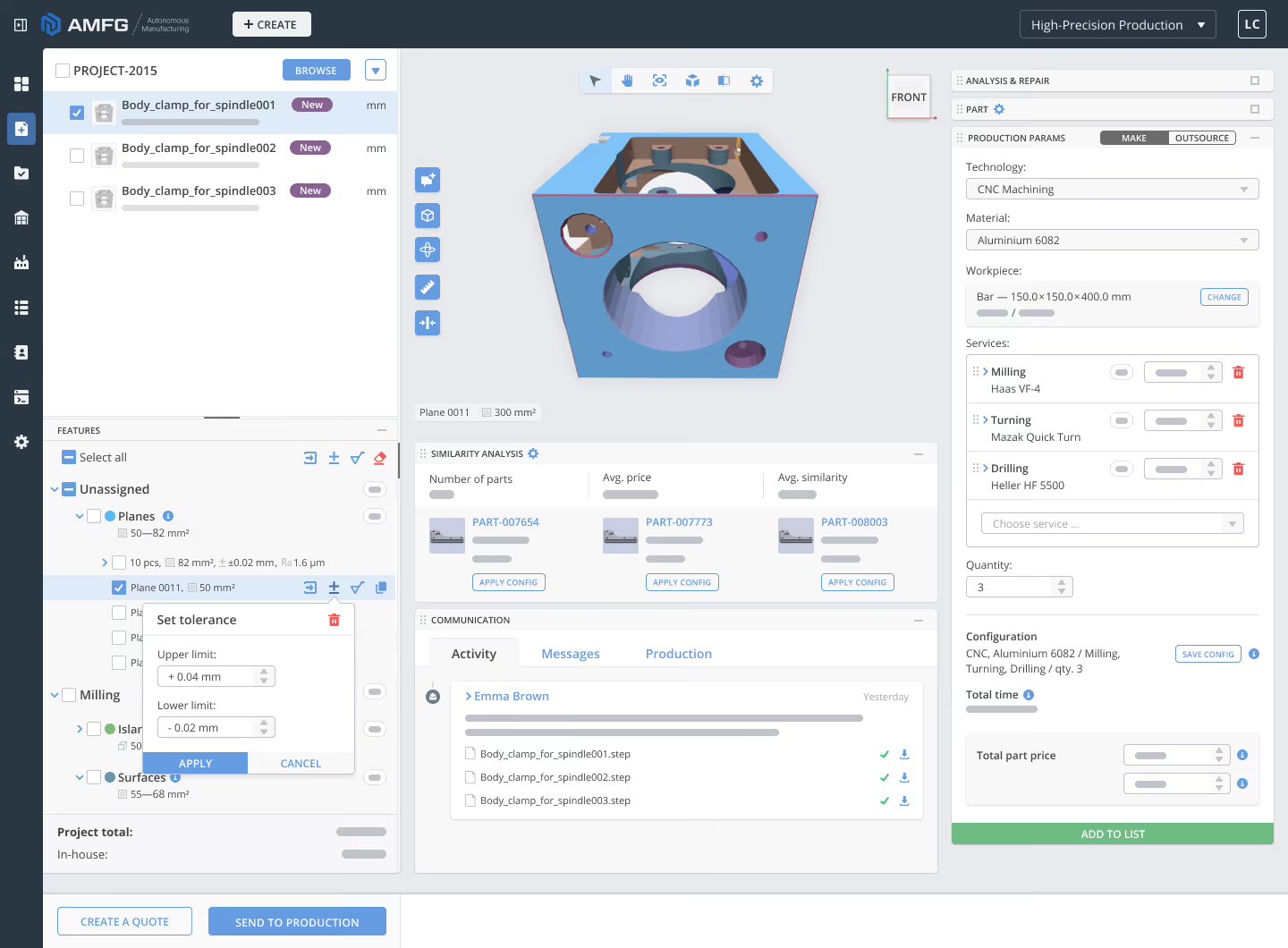
Intelligent, logic based estimating
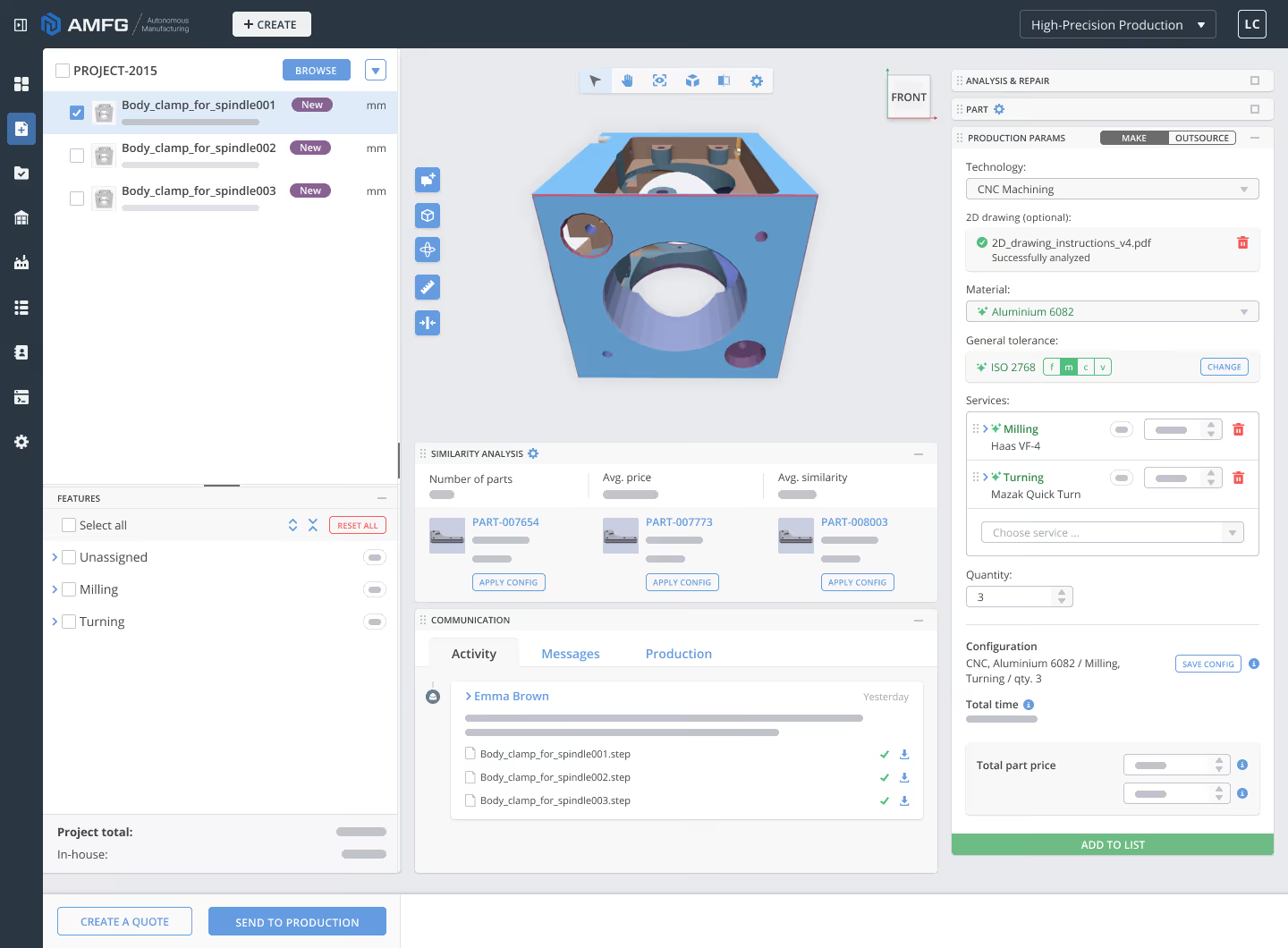
AMFG’s estimating platform takes into account machinable features, material hardness, auto-tool assignment and tolerancing factors to generate accurate cycle, programming and setup times.
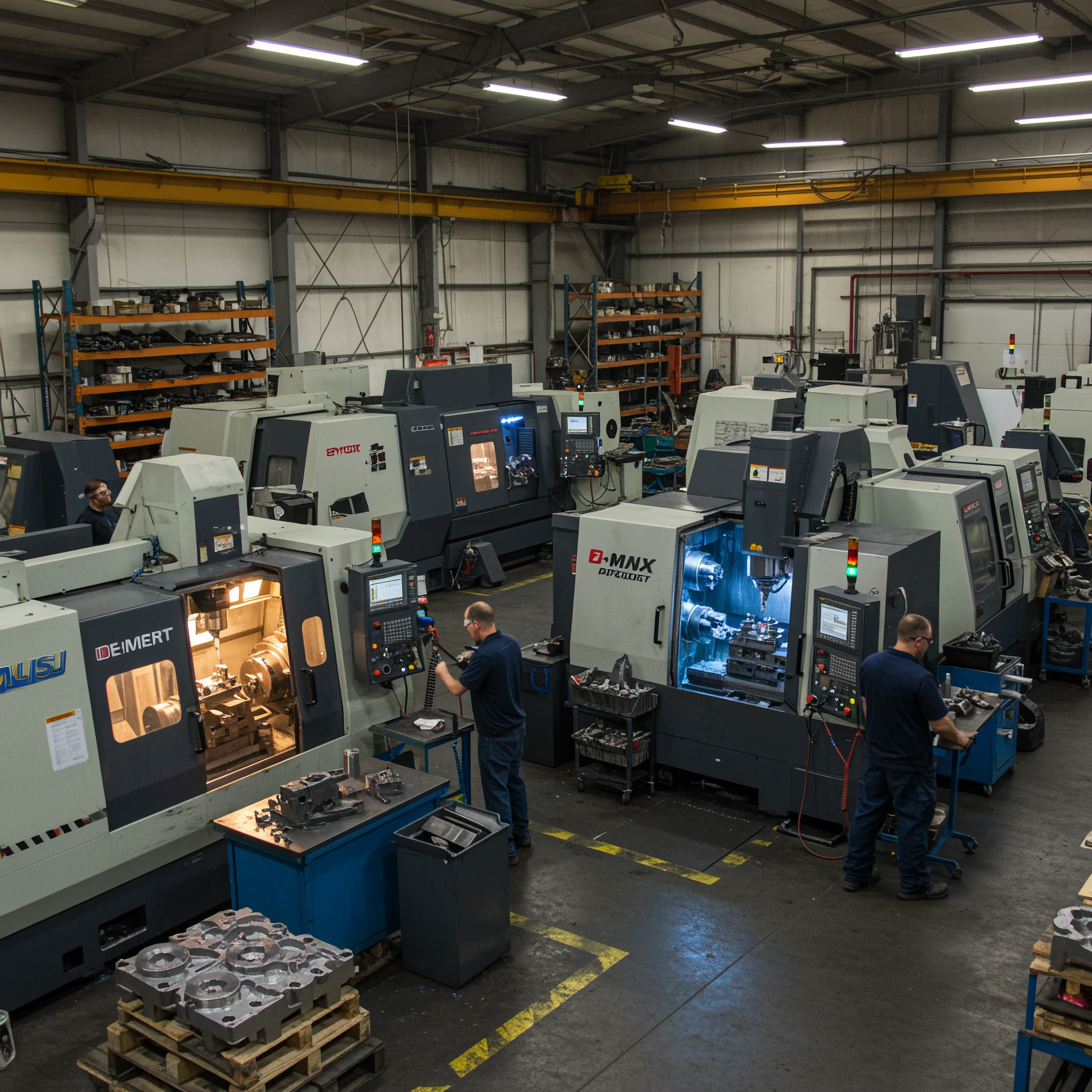
Built for machine shops handling precision machining and additive manufacturing, our scripts are consistently upgraded in line with the latest software improvements, so your quotes are always the best they could be.
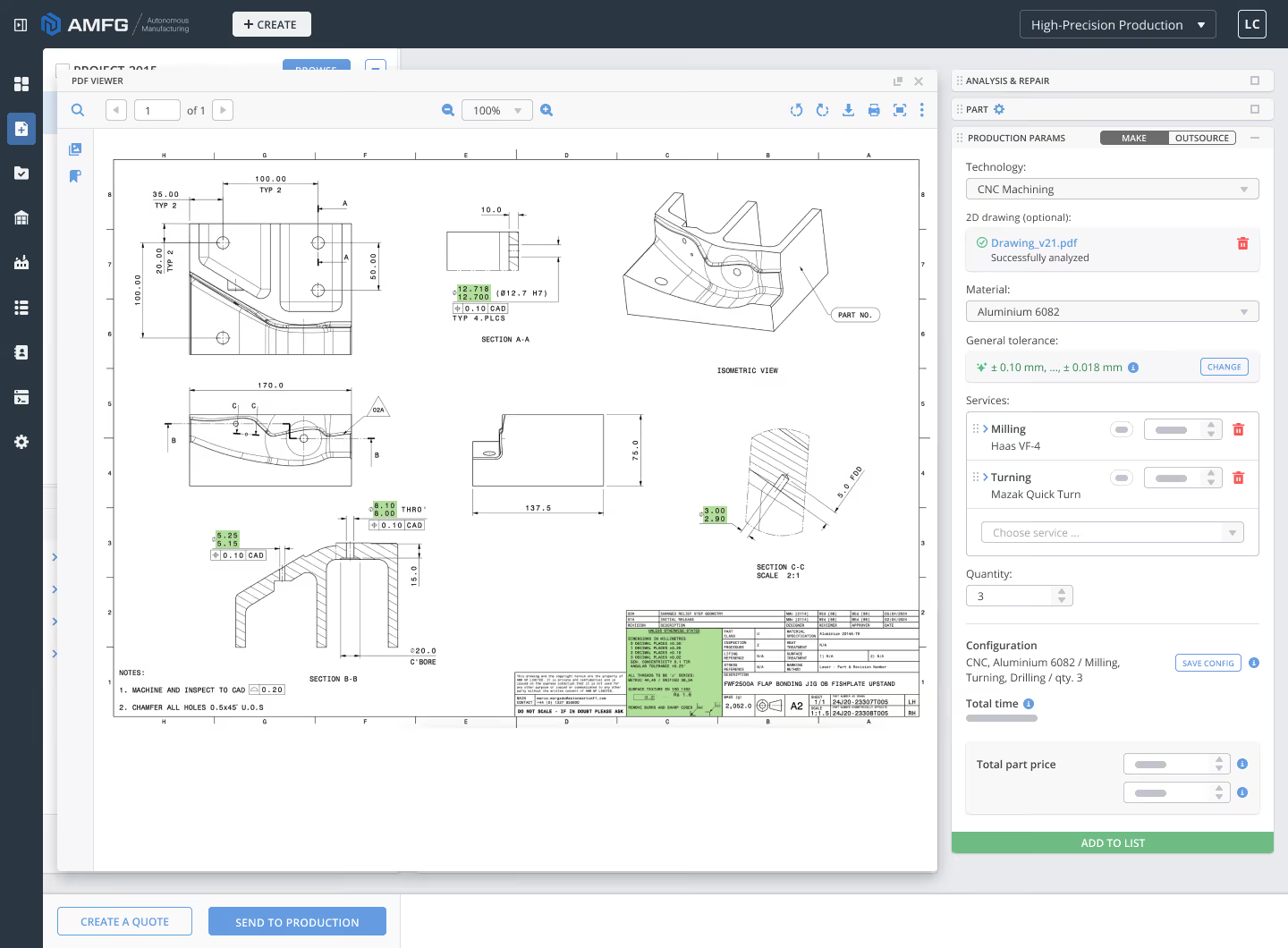
Flexible and collaborative
AMFG streamlines your quoting by eliminating 95% of the manual, time consuming work.
Our platform automates generating an accurate baseline estimate that can be individually adjusted, or sent straight to your buyer as a customer-ready quote.
If things change, your AMFG logic can be modified at any point, whether it be cutting speeds on materials, hourly rates or post-processing costs, so your estimates are always up to date.
Discover More of
our Estimating Features
FAQs

Estimating calculates the expected time, cost, materials, and processes needed to make a part. Quoting turns that estimate into a customer-facing price, including margin, commercial terms and delivery. AMFG helps machine shops create more consistent estimates that support faster, more accurate quotes.
A Geometric Estimating Engine analyses 3D CAD files to identify machinable features, understand machining requirements, and calculate time and cost. AMFG’s Geometric Estimating Engine helps machine shops generate quick, accurate and reliable time estimates from 3D CAD files, reducing guesswork in the quoting process.
Geometric Estimating helps machine shops calculate machining time and cost in seconds with reliable accuracy. CAM software is used later to create toolpaths for production. AMFG’s Geometric Estimating Engine is designed to support faster quoting decisions, not replace CAM programming.
Geometric Estimating improves accuracy by using part geometry instead of relying only on tribal knowledge, estimator experience, or spreadsheet assumptions. AMFG creates a logic-based baseline estimate that can be adjusted by the estimator, helping machine shops quote complex parts faster and with more confidence.
Yes. Machine shops can modify AMFG’s estimating logic to reflect their own tools, cutting speeds, machines, and shop-floor capabilities. This helps keep estimates aligned with real-world production conditions, so quotes better reflect how the shop actually makes parts.