Bringing Back Businesses: The Potential and Challenges of Reshoring


In our recent interview with AMFG, Howard Sheldon expressed a desire to see more manufacturing work return to the UK. According to Howard, “Government contracts should be awarded to our own UK companies. It’s crazy! We need to take care of ourselves first and nobody should begrudge us that.”
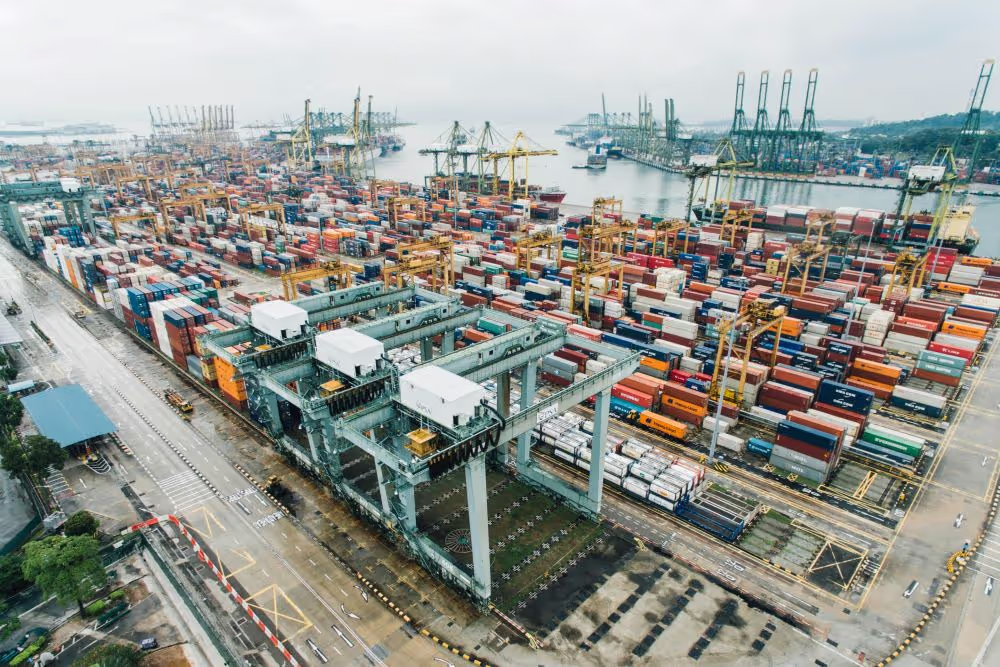
In the last few decades, manufacturing, a pillar of industrial economies, has seen significant shifts, marked by globalization, automation, and outsourcing. However, more recently, the global trend in manufacturing is reshoring or onshoring, which refers to the return of production and manufacturing operations to their home countries. According to estimates from the Reshoring Initiative, 1,675,000 jobs have returned to the USA due to reshoring between 2010 and 2023. Here we explore what reshoring is, why companies are doing it and explore how job shops can take advantage of reshoring opportunities.
Bringing Business Back
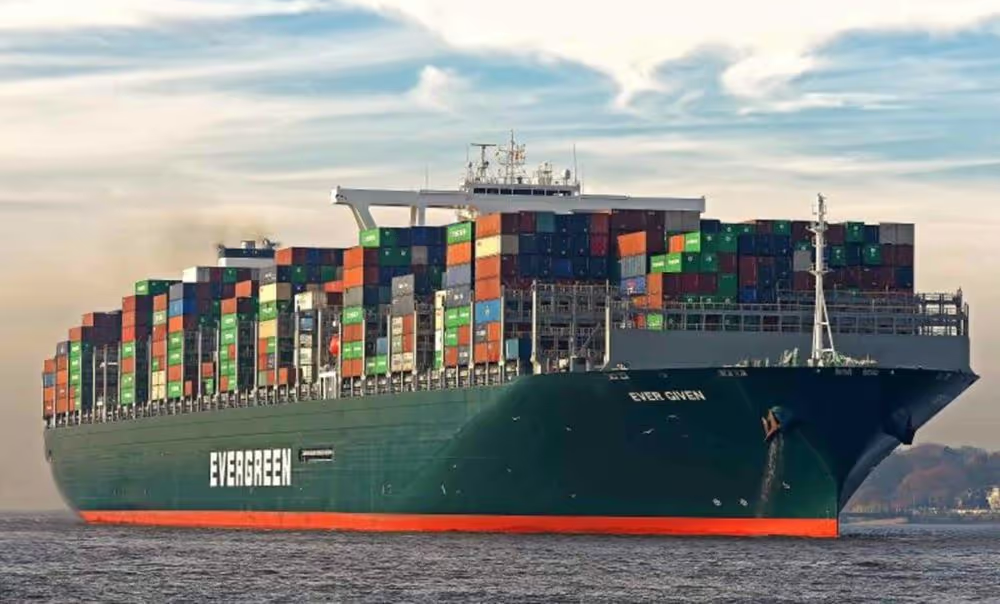
Image courtesy of Alfa Logistics Family
Offshoring in manufacturing dates back to the 1960s and saw huge amounts of manufacturing activities moved to countries with cheaper labour costs, especially in Asia. China, in particular, became the world’s factory due to its vast labour pool, lower wages, and established manufacturing infrastructure. According to the Organisation for Economic Co-operation and Development (OECD), the late 1990s into the 2010s saw the offshoring of routine IT work evolving into high-value activities such as R&D, product design, and engineering.
However, in recent years the pros of offshoring have struggled to measure up against the cons. As Jonty Bloom puts it in an article for the BBC, “The motives for this shift are complex and varied, but break down into three main groups - economics, risk and politics.” Events such as the COVID pandemic, international conflicts and dwindling water levels in the Panama Canal have revealed the vulnerabilities of international supply chains. Moreover, as labour costs in developing countries rise and political tensions brew, manufacturers are deciding to move operations back to friendlier countries.
This phenomenon is gaining momentum due to a confluence of economic, political, and technological factors. The restoration trend in manufacturing represents not only an economic recalibration but also a significant transformation in how industries approach production, supply chains, and innovation.
The Role of Technology in the Restoration Trend

Image courtesy of IBM
One of the critical drivers of the restoration trend is technological advancement. The Fourth Industrial Revolution, characterized by smart manufacturing, automation, and the integration of digital technologies into industrial processes, has fundamentally reshaped the global manufacturing landscape. Technologies such as robotics, artificial intelligence (AI), and the Internet of Things (IoT) are enabling companies to produce goods with greater efficiency and precision, reducing the reliance on low-cost labour.
As IBM points out, “companies can use digital labor to supplement the existing workforce by automating repetitive, dangerous or complex tasks. For example, collaborative robots (cobots) can work alongside human workers to perform tasks that require precision or dexterity, freeing up human workers to focus on higher-value tasks. Additionally, AI-powered tools can help identify skills gaps and provide personalized training programs to cross-skill employees.”
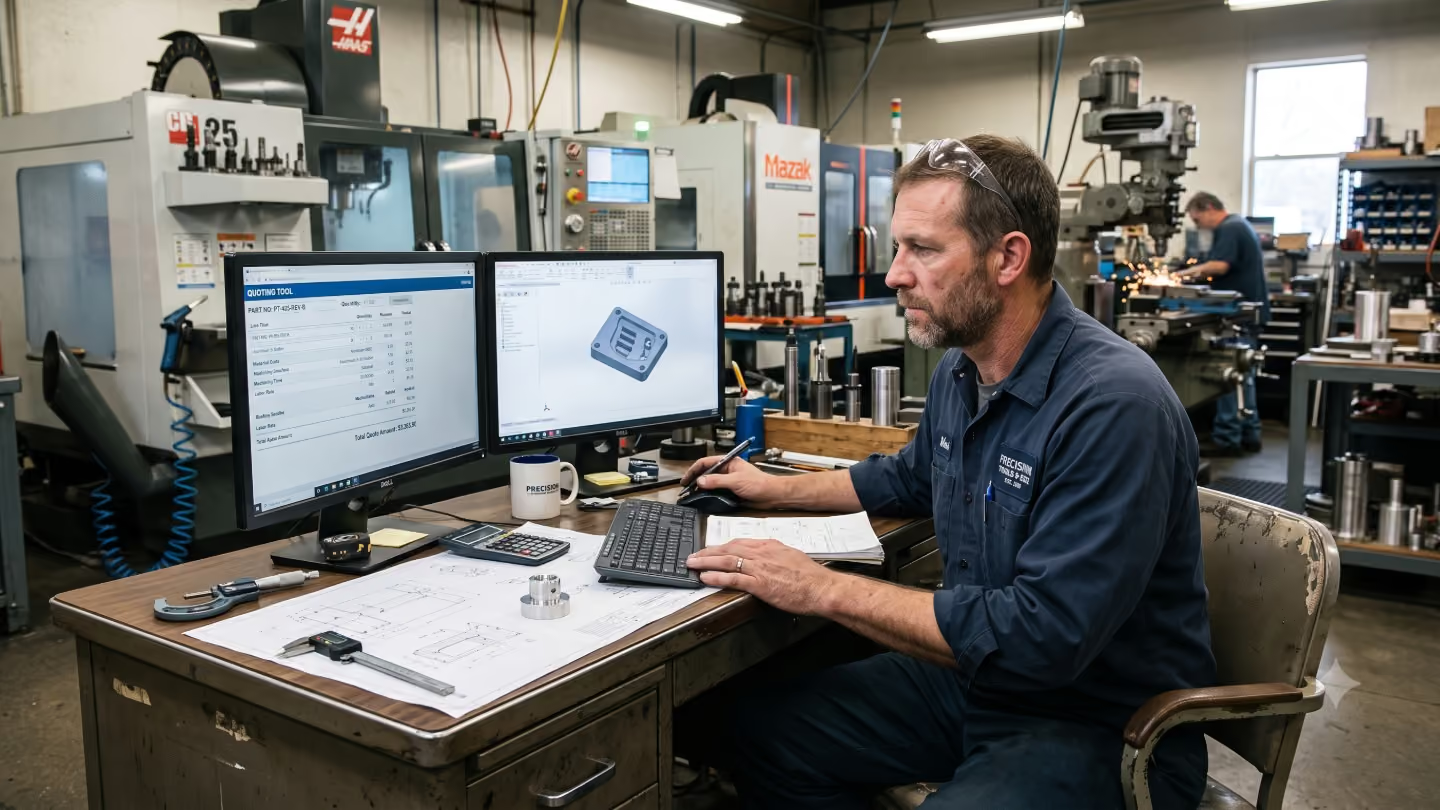
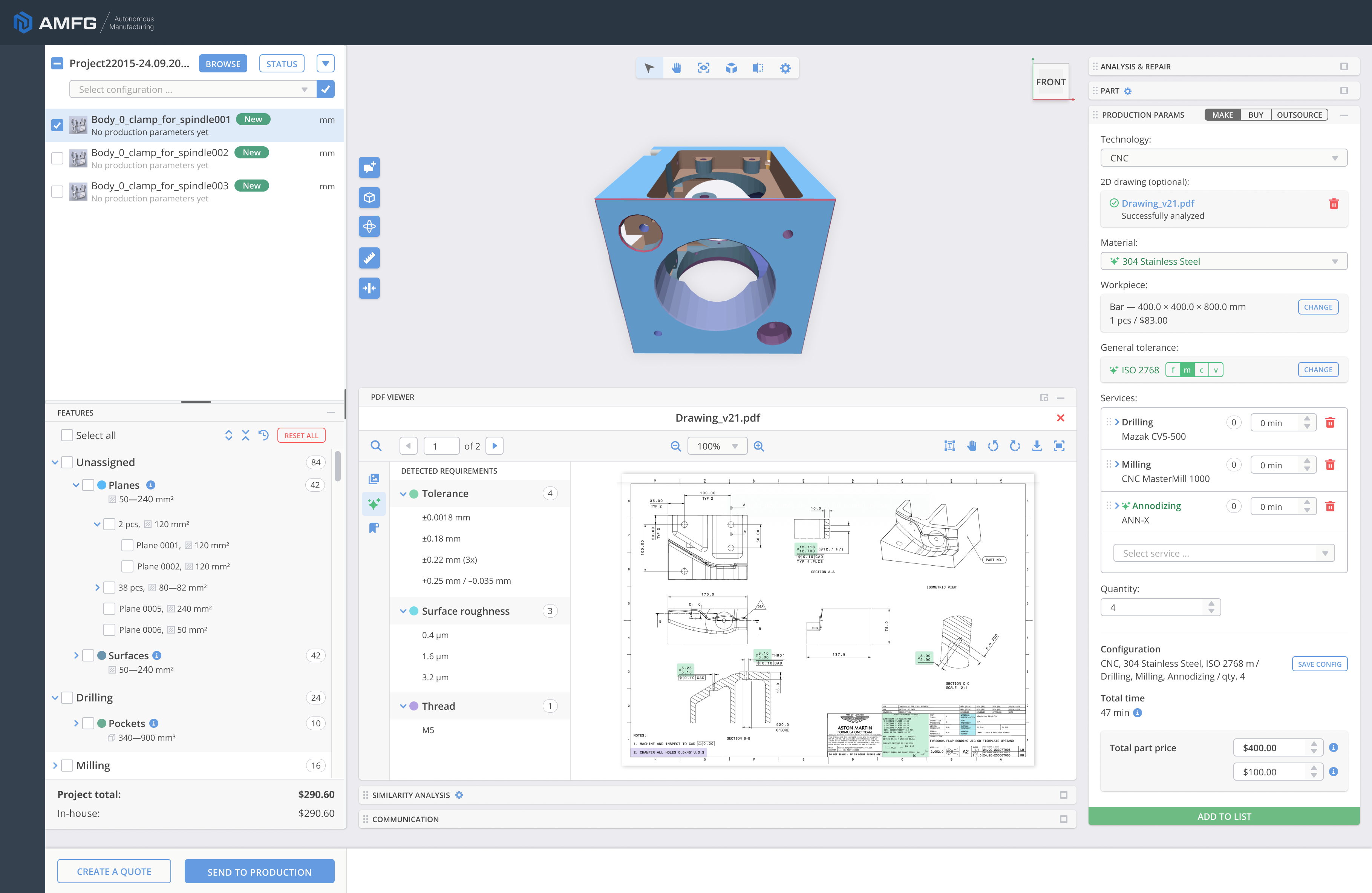
With most job shops having fewer than 5 employees, one challenge could be ensuring that small shops have access to the technology that they need to stay competitive and feel the benefits of onshoring. However, as Chris Pollack, virtual technical application center manager, Siemens Industry Inc. highlights smaller shops don’t need to shoot for the moon to get the most out of Industry 4.0 technologies. “[O]bviously there are all kinds of services and tools you can buy. And yes, it can be daunting to try to implement them and get personnel up to speed on utilizing this software and this equipment to start getting solid analytics. But step one is always understanding your process and knowing where you want to optimize.”
Economic and Political Factors
Of course, economic and risk factors are a huge part of the story but it’s also worth mentioning the huge push for Western countries to bring manufacturing activities back on their home turfs in an effort to create jobs and stimulate the economy. To take one example, the CHIPS Act was passed in 2022 which sought to establish the US as a major player in the global conductor race. According to the White House, “will strengthen American manufacturing, supply chains, and national security, and invest in research and development, science and technology, and the workforce of the future to keep the United States the leader in the industries of tomorrow, including nanotechnology, clean energy, quantum computing, and artificial intelligence.”
The Challenges of Reshoring

Image courtesy of Reshoring Insitute
The restoration trend offers numerous advantages for both companies and economies. For firms, reshoring provides greater control over production quality, intellectual property, and supply chain management. Shorter supply chains reduce the risks of disruption and allow companies to respond more swiftly to market changes. Additionally, by manufacturing domestically, companies can more easily comply with regulatory requirements and meet the growing demand for transparency and sustainability in production processes.
However, reshoring is not without its challenges. One of the primary obstacles is the high cost of labour in advanced economies, which can make it difficult for companies to compete with manufacturers in lower-cost countries.
Using data from companies like Indeed and Glassdoor, the Reshoring Institute puts the US second in terms of the average salary for production workers ranging between $30,000 and $35,000. In comparison, China is seventh on the list with average salaries randing between $10,000 and $15,000 a year.
Even if automation can offset some of these costs, not all industries are suited to fully automated production, and the initial investment in automation technology can be substantial.
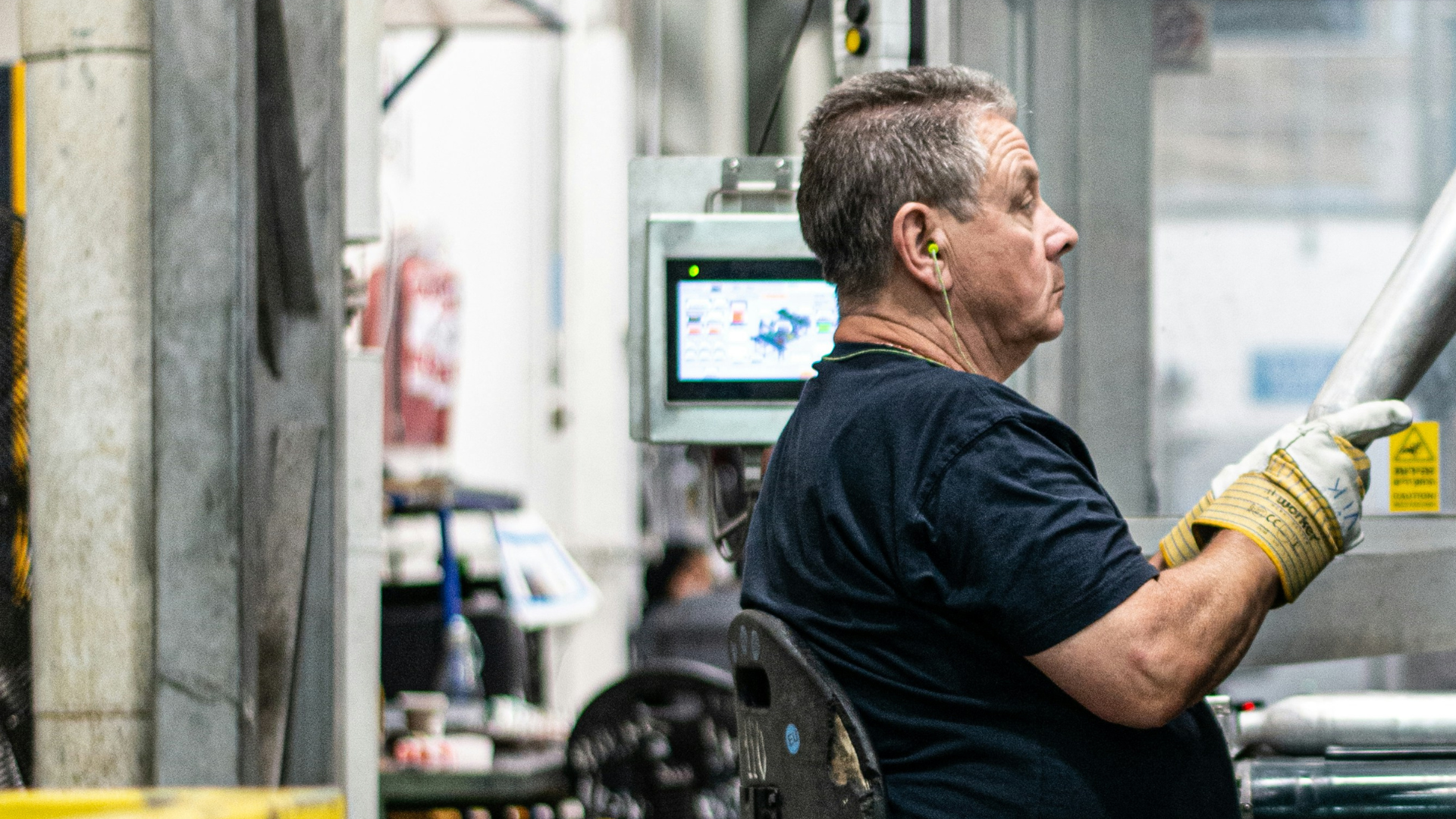
Another challenge is the availability of skilled labor. As manufacturing becomes more technologically advanced, the demand for highly skilled workers capable of operating and maintaining sophisticated machinery increases. However, many advanced economies face a shortage of workers with the necessary skills for these roles, requiring investments in education and training to close the gap.
In fact, Deloitte estimates that between 2024 and 2033, “the net need for new employees in manufacturing could be around 3.8 million.” If Western countries don’t see an increase in the number of skilled workers joining the industry, up to 1.9 million of these jobs will be left empty having serious consequences for businesses.
Meeting the Companies Moving Operations

Image courtesy of Mitchell Metal Products
While some businesses are weighing up the pros and cons of reshoring, there are others that have taken the plunge. The article mentioned earlier speaks to British precision manufacturing company Advanced Chemical Etching (Ace) about their decision to move operations back to the UK. According to the directors Chris Ball and Ian Whateley, the move has seen the two enjoy a huge financial benefit.
Moreover, the Reshoring Institute has outlines some of the US companies taking advantages of the opportunities offered by reshoring. One is C&B Machinery, which specializes in high-precision face Grinding Machines. They moved their operations from India over a decade ago in 2012 citing access to automation/technology as a key factor driving their decision.
Similarly, Wisconsin-based company Mitchell Metal Products shifted components for their redesigned seat pan from Italy to Wisconsin. Despite concerns around delivery and inventory giving the owners pause for thought ultimately they moved forward with the plan. For all of the case studies that the Reshoring Institute cites, for all the disparate motivations leading to them to move their operations one thing is clear - all of the companies list their level of satisfaction of the results of reshoring as “high”.
The Future of Manufacturing
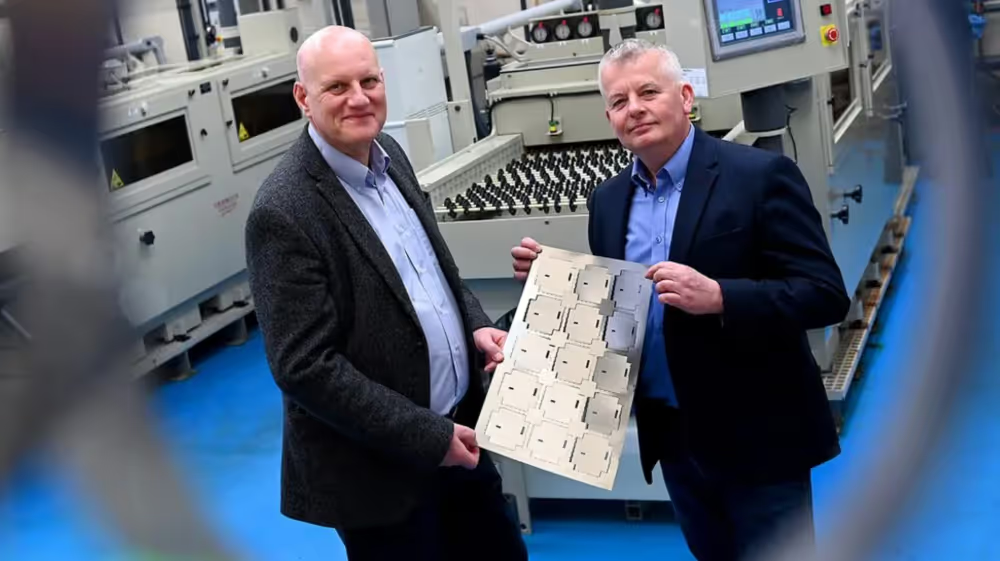
Image courtesy of Sam Bagnall via BBC News
The restoration trend in manufacturing represents a fundamental shift in how companies approach production, supply chains, and innovation. As technology continues to advance, and as political and economic factors evolve, it is likely that reshoring will become an increasingly important strategy for companies seeking to reduce risks, improve efficiency, and meet the demands of a changing global marketplace.
The future of manufacturing will be shaped by a balance between global and local production. While offshoring will remain a viable option for some industries and regions, the trend towards more localized, technology-driven manufacturing is set to redefine the industrial landscape. This resurgence of manufacturing in advanced economies not only promises to restore jobs and economic growth but also to drive innovation and sustainability, positioning the industry for long-term success in the 21st century.
Conclusion
The restoration trend in manufacturing is a testament to the evolving nature of global industry. With advances in technology, shifts in economic and political landscapes, and a growing emphasis on sustainability, companies are rethinking their production strategies and turning to reshoring as a means of securing their futures. The impact of this trend will be felt across industries and economies, heralding a new era of manufacturing that is more resilient, sustainable, and innovative than ever before.


.avif)
.svg)