Can Job Shops Meet Customer Experience Trends?
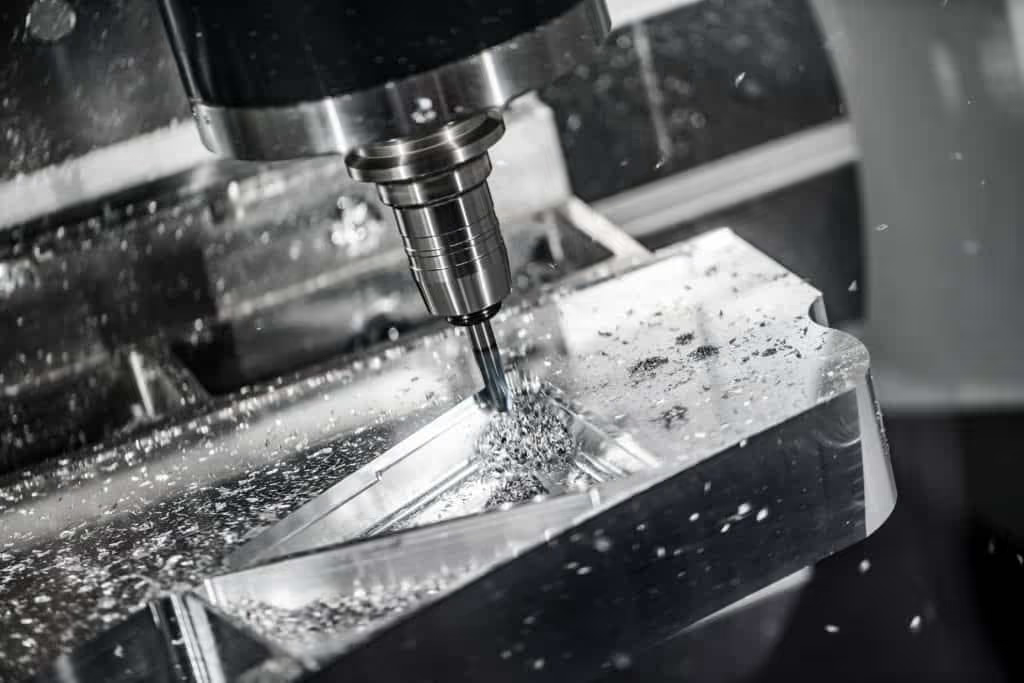


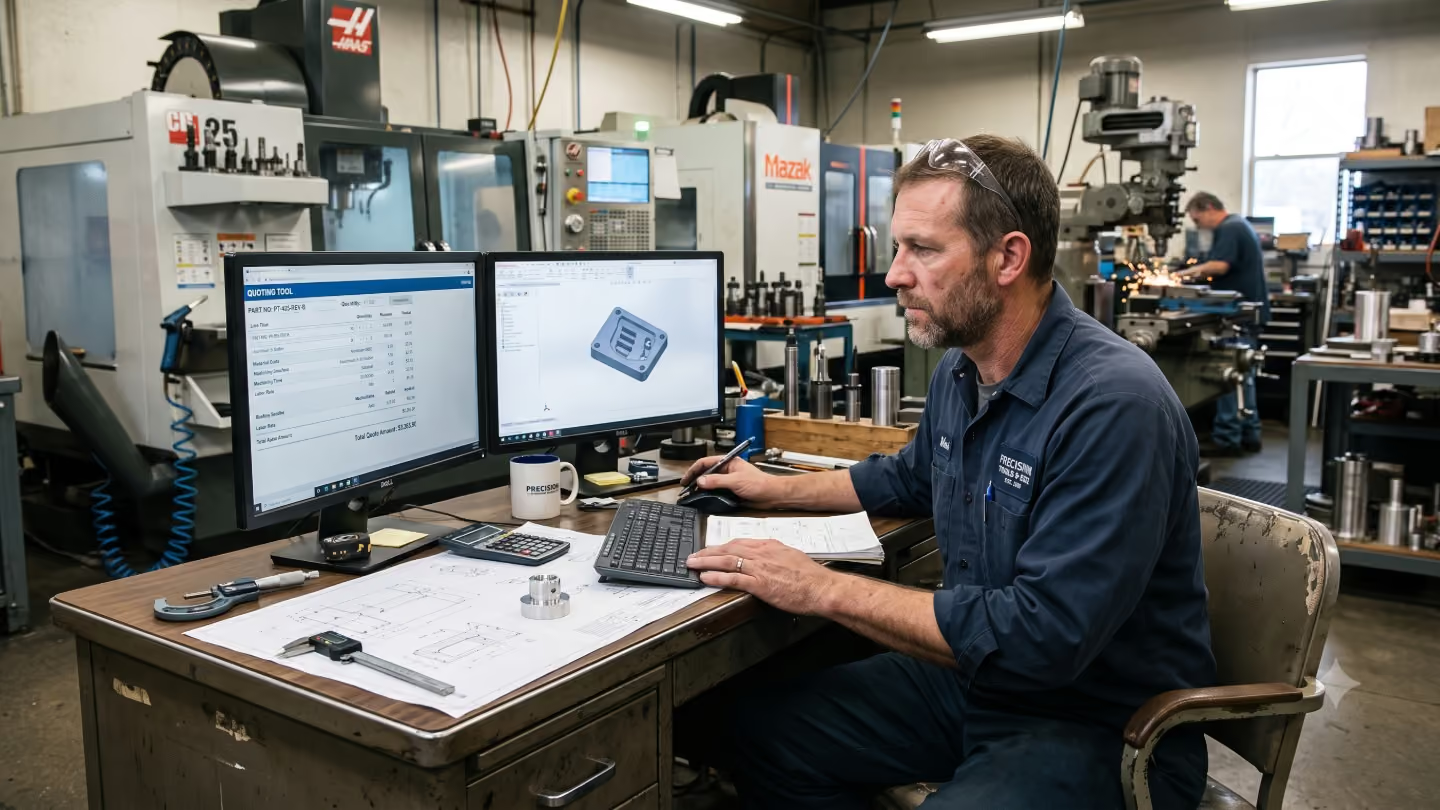
Image courtesy of AMD Machines
How can businesses keep their customers happy? Fair prices and high-quality products are always a recipe for sucess when it comes to customer satisfaction. However, in recent decades, customer expectations for their products and services have skyrocketed.
Customers within the manufacturing industry are no exception. The good news is that as manufacturing technology develops, so too do businesses' ability to respond to their customers' needs. Here we not only explore the consumer trends shaping the future of manufacturing but we ask how job shops can work to meet these demands.
Green Machines and Sustainable CNC
[caption id="attachment_42327" align="alignnone" width="1000"]
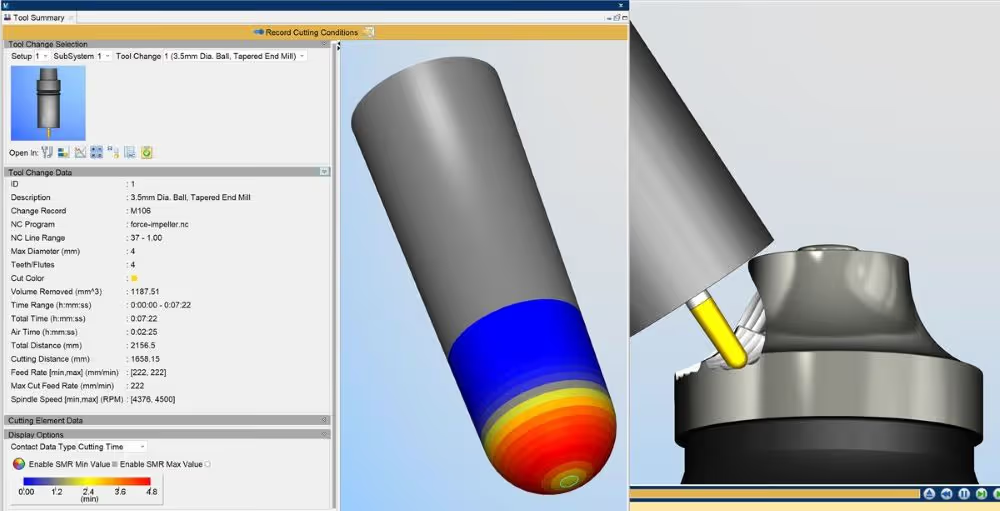
Image courtesy of Vericut[/caption]
In a previous article, AMFG examined the green credentials of CNC machining. A greater drive for green practices can be seen across a range of industries and this translates into customer behaviour. Companies are focusing on reducing carbon footprints, minimizing resource usage, and enhancing energy efficiency across their supply chains. This includes shifts toward electric vehicles, renewable energy sources, and the implementation of sustainable production methods to meet the growing demand for greener products.
With the machining sector worth $84 billion worldwide in 2021 according to Fortune Business Insights, its impact can’t be underestimated.
As we previously discussed, two major ways in which CNC machining can make its practices more sustainable are by limiting material waste and optimizing machine tool paths. According to Soori et al., “Investing in energy-efficient CNC machines can significantly reduce energy consumption to minimize the negative impact of CNC machining operations.”
The study goes on to report that “virtual simulation and analysis of CNC machining operations can be used to identify areas where sustainable practices can be implemented in order to reduce waste and improve efficiency during machining operations.”
One company already leading the charge on this is Vericut who specializes in, “specializes in numerical control (NC/CNC) simulation, verification, optimization and analysis software technology for manufacturing.”
According to the company, “Vericut CNC simulation software ensures programs are error-free and all operations work together as intended, while optimisation capabilities of the software ensure the whole process is operating as efficiently and as sustainably as possible. The result is significant savings in manufacturing time, reduced energy consumption and increased profits.”
It’s not easy being green, but it sure is easier with Vericut.
The Personal Touch
[caption id="attachment_42329" align="alignnone" width="1000"]

Image courtesy of Salesforce[/caption]
Anyone who has ever spent hours listening to hold music can tell you that good service can be the difference between a churned customer and a loyal one. At the heart of good customer service is communication, but with only so many hours in the day, how can job shop owners ensure that they’re addressing their customers' queries and concerns in a way that makes the most efficient use of time?
One way in which manufacturers can achieve this is by adopting a proactive communication strategy to keep customers informed at every stage of the journey. This might involve sending proactive notifications about order status, providing updates on product launches or recalls, or even soliciting feedback to ensure continuous improvement. By keeping lines of communication open and transparent, manufacturers can demonstrate their commitment to customer satisfaction and build stronger relationships with their audience.
Effective communication is as significant internally as it is externally. According to a survey conducted by Salesforce, siloed departments can reduce visibility and make it more difficult to respond to customer demands.
As Salesforce puts it, “Depending on the department, manufacturers have widely divergent views on their own operational efficiency, exposing an inconsistent perception of the business. Case in point: Operations teams are two times less likely to feel their organizations react rapidly to market changes than their marketing or sales counterparts.”
From operations to customer relations, communication is key at every stage of a job shop.
Adoption of Industry 4.0 technologies
[caption id="attachment_42331" align="alignnone" width="1000"]
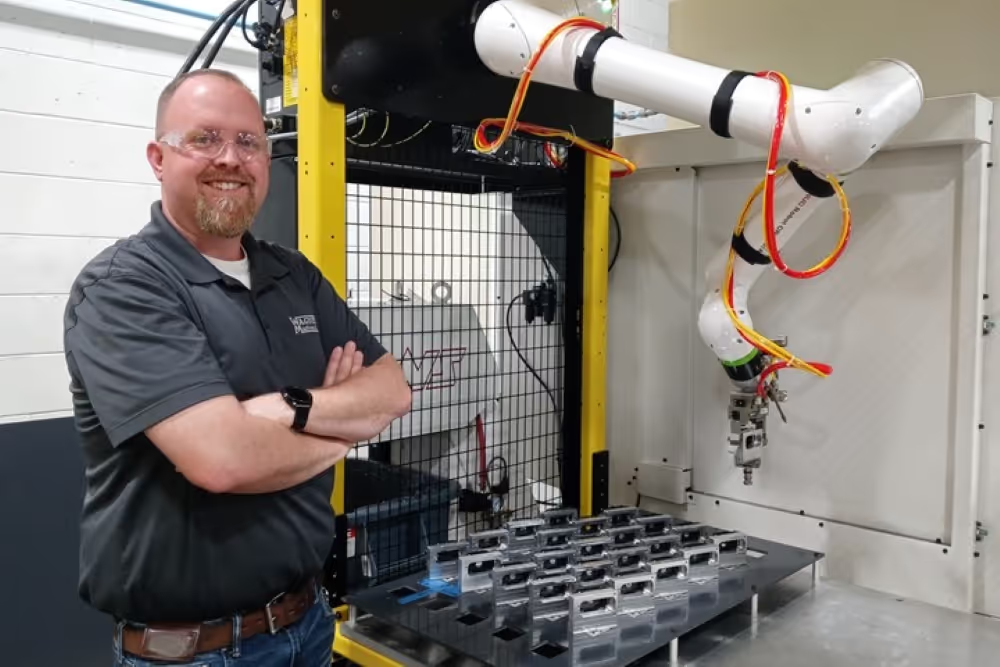
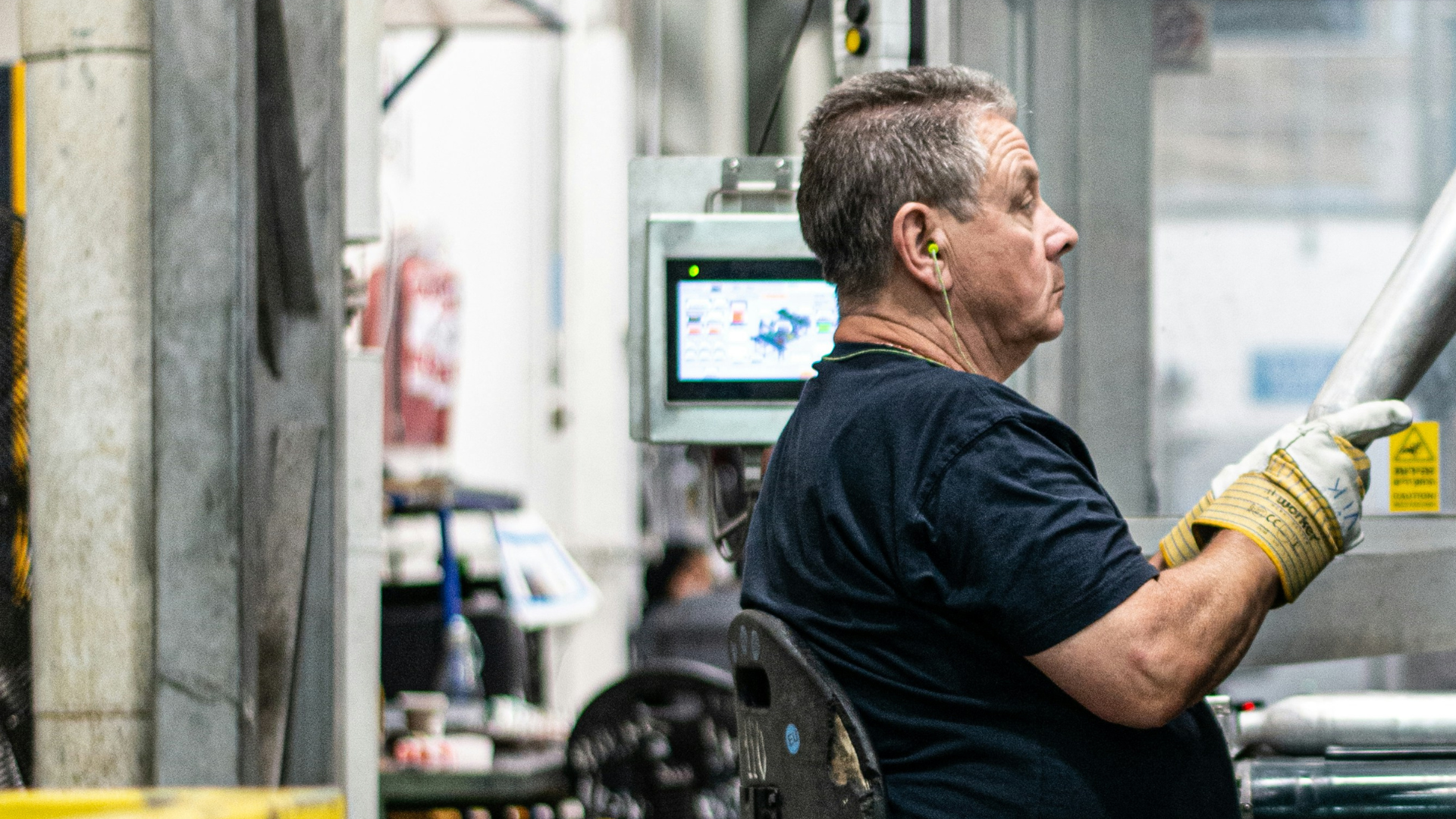
Image courtesy of Wagner Machine via Modern Machine Shop[/caption]
Achieving change and catering to these demands can be achieved by a wide range of factors including mindset. However, there are Industry 4.0 technologies that can be valuable tools in supporting job shops to improve their customer service offerings.
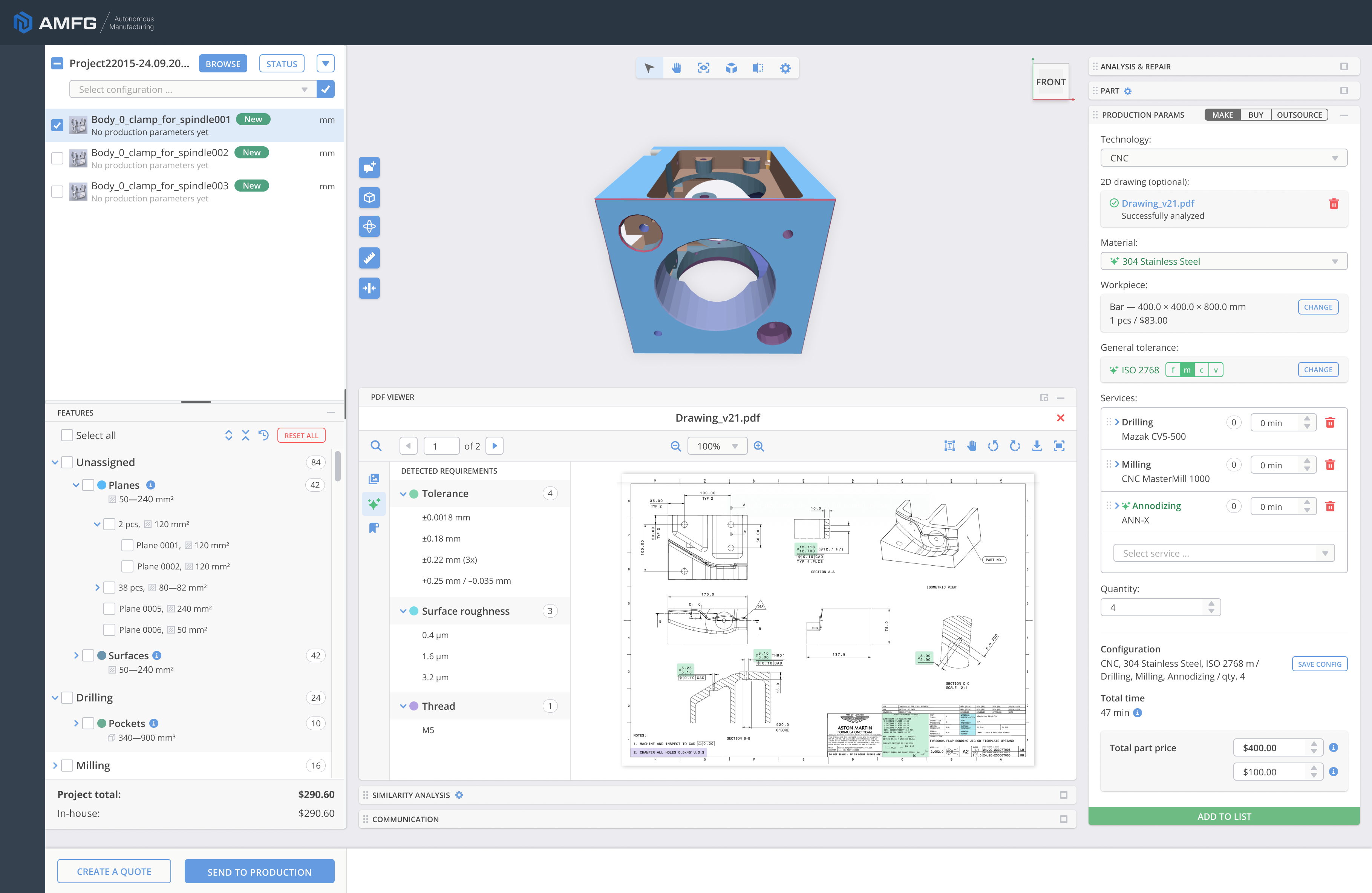
To take one example, quoting and estimating is a vital part of many job shops’ output. With complex parts and precision machining, ensuring that jobs are quoted accurately is of the highest importance. Nevertheless, since this stage of production doesn’t generate revenue, factoring in time savings to maximise the RFQ success rate is essential. Moreover, since 78% of customers favour the first respondent to their request, there’s the most incentive to reply the fastest.
Software like AMFG can help to reduce quoting and estimating times, streamline operations and empower job shops to win more business.
Moreover, the same automated machines that can help job shops achieve their sustainability goals have the added benefit of increasing productivity while reducing costs. One example of this is the US job shop Wagner Machine, which managed to “increase productivity by more than 30% while improving on-time delivery.”
Wagner achieved this by, “Targeting two-to-four hours of nightly automation enables high-mix manufacturer Wagner Machine to radically boost its productivity past a single shift.”
AMFG has spoken at length about how automation can benefit job shop owners by increasing productivity and lowering costs but it’s worth remembering that this has a knock-on effect on customer satisfaction.
Final thoughts
[caption id="attachment_42333" align="alignnone" width="1000"]
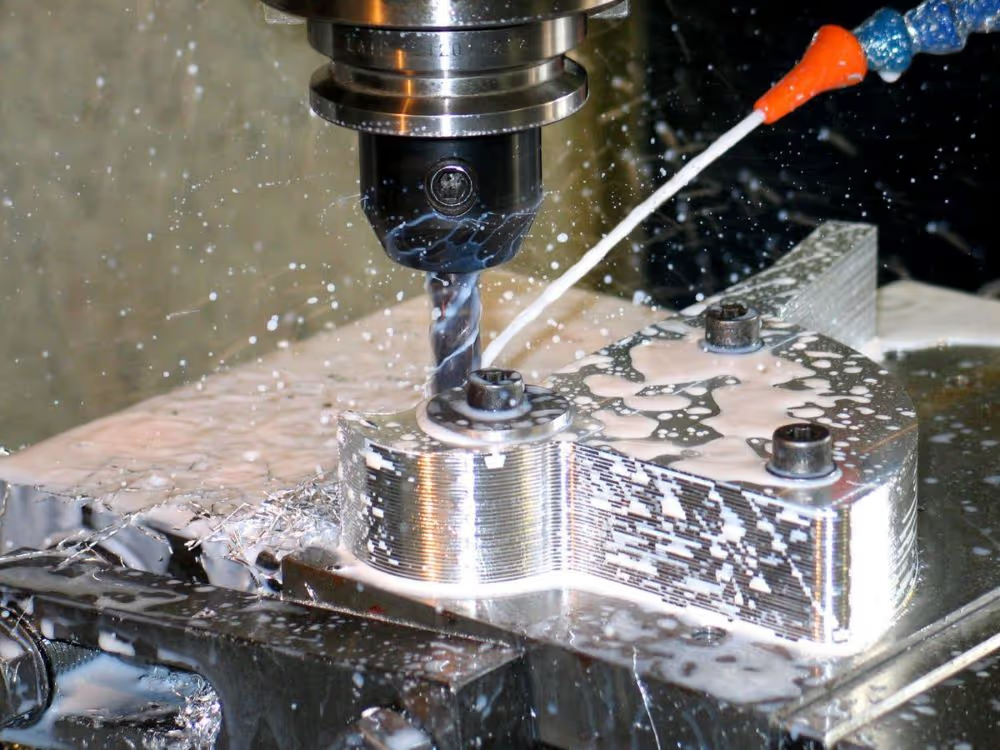
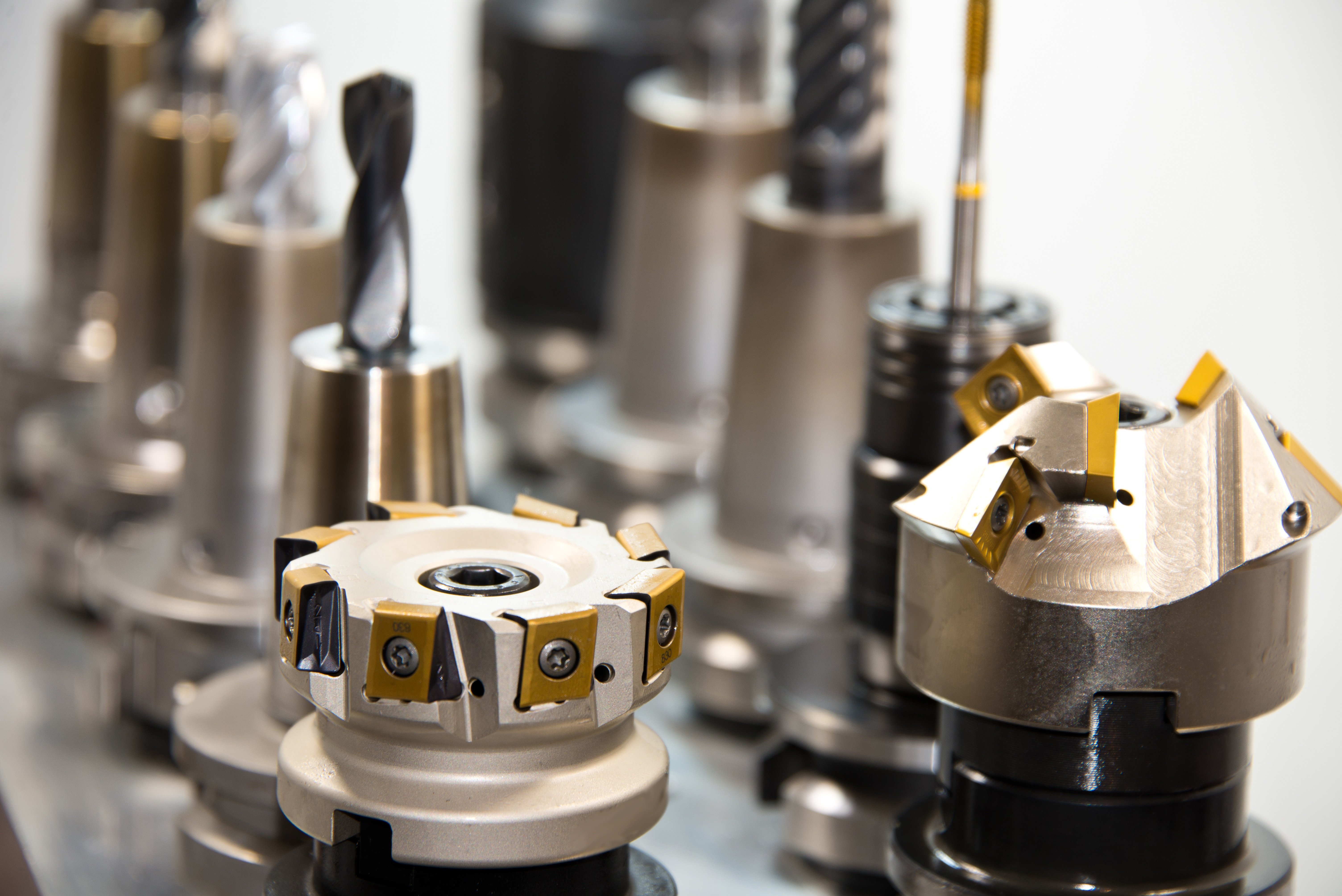
Image courtesy of Worthy Hardware[/caption]
Keeping customers happy in today's rapidly evolving manufacturing landscape requires a blend of modern technology, sustainable practices, and excellent communication. As customer demands shift toward sustainability, companies need to invest in energy-efficient machinery and minimize waste, all while maintaining high productivity. Tools like Vericut and automation technologies can not only make manufacturing greener but also optimize processes, saving both time and resources.
Equally important is the adoption of proactive communication strategies, which ensure customers feel informed and valued throughout their experience. By embracing Industry 4.0 technologies and fostering internal collaboration, job shops can streamline their operations, improve customer service, and stay ahead of market changes. The key to success lies in balancing innovation, sustainability, and strong relationships with customers, ultimately driving long-term growth and satisfaction.


.avif)
.svg)