Long Read: Busting Machining Myths


While researching the German Engineering company Burgmaier, I stumbled across a remarkable fact. There are five Burgmaier parts in every car made in Europe.Not only does this remind us of the prevalence of machining but also its importance. Yet, despite its critical role, CNC machining struggles with a significant image problem. This issue is multifaceted, rooted in outdated perceptions, structural challenges, and societal shifts. The machining image problem has real consequences for the industry. In a recent article, we outlined the prevalence of negative perceptions surrounding manufacturing in general. As we pointed out, a quarter of respondents believe that manufacturing has an image problem according to Eccentra Component’s 2023 report.It’s no secret that one major contributing factor to the industry’s ongoing labour shortage is its difficulty attracting skilled young people to manufacturing careers. In this landscape manufacturers’ need to right the record concerns more than just “bad image”, it could have a major impact on employee recruitment and retention. Here, we take an in-depth look at the common misconceptions about manufacturing and machining and what job shops can do to dispel the myths.
The Myths
[spacer height="50px"][caption id="attachment_40711" align="alignnone" width="1000"]
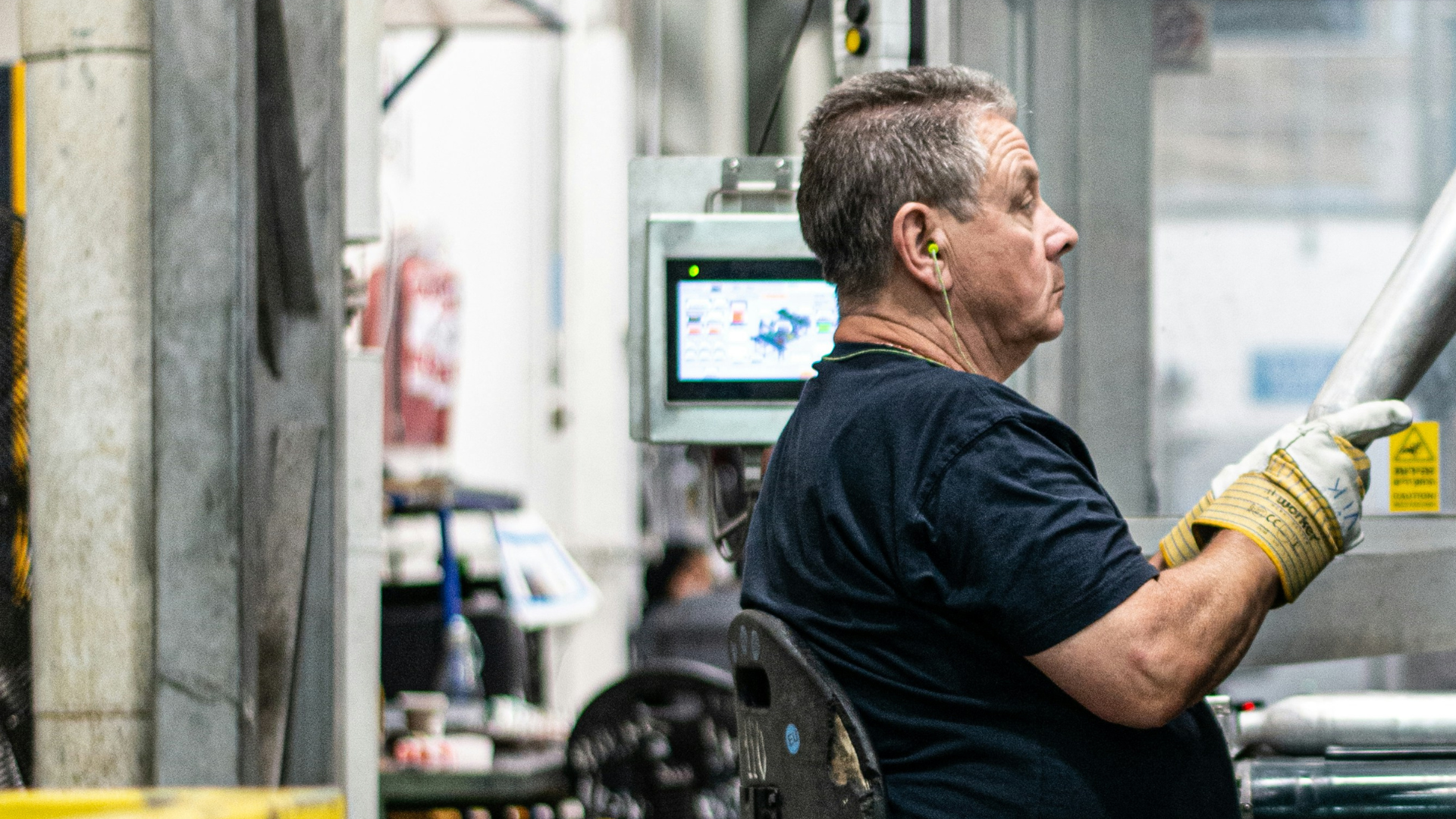
Image courtesy of iStock[/caption][spacer height="50px"]A lack of understanding surrounding machining has led to the persistence of this historical stereotype. This is shown by a 2023 survey conducted by Interact’s Future of Work Team. The survey found that “negative associations are dominated by stereotypical perceptions of poor pay, less career development, the lack of job flexibility, low-status work and that manufacturing conveys an old-fashioned industrial legacy image.”Anxieties around the sector also persist including technology’s role in manufacturing and international competition. The rise of automation and artificial intelligence (AI) has led to fears of job displacement, reinforcing the idea that machining jobs are not secure.Moreover, the trend of offshoring manufacturing jobs has also contributed to the negative perception of CNC machining. Over the past few decades, many companies moved their machining operations to countries with lower labour costs, leading to job losses in domestic markets. This shift has fueled the belief that machining jobs are unstable and easily outsourced, diminishing their appeal to job seekers.Nevertheless, The Future of Work team also highlights the role that lack of awareness plays in perpetuating these myths. According to the report, “While less than half of those unfamiliar with manufacturing jobs/careers were positive, the more familiar you are, the more likely you are to feel positive about the sector.”
The Truths
[spacer height="50px"][caption id="attachment_40713" align="alignnone" width="1000"]
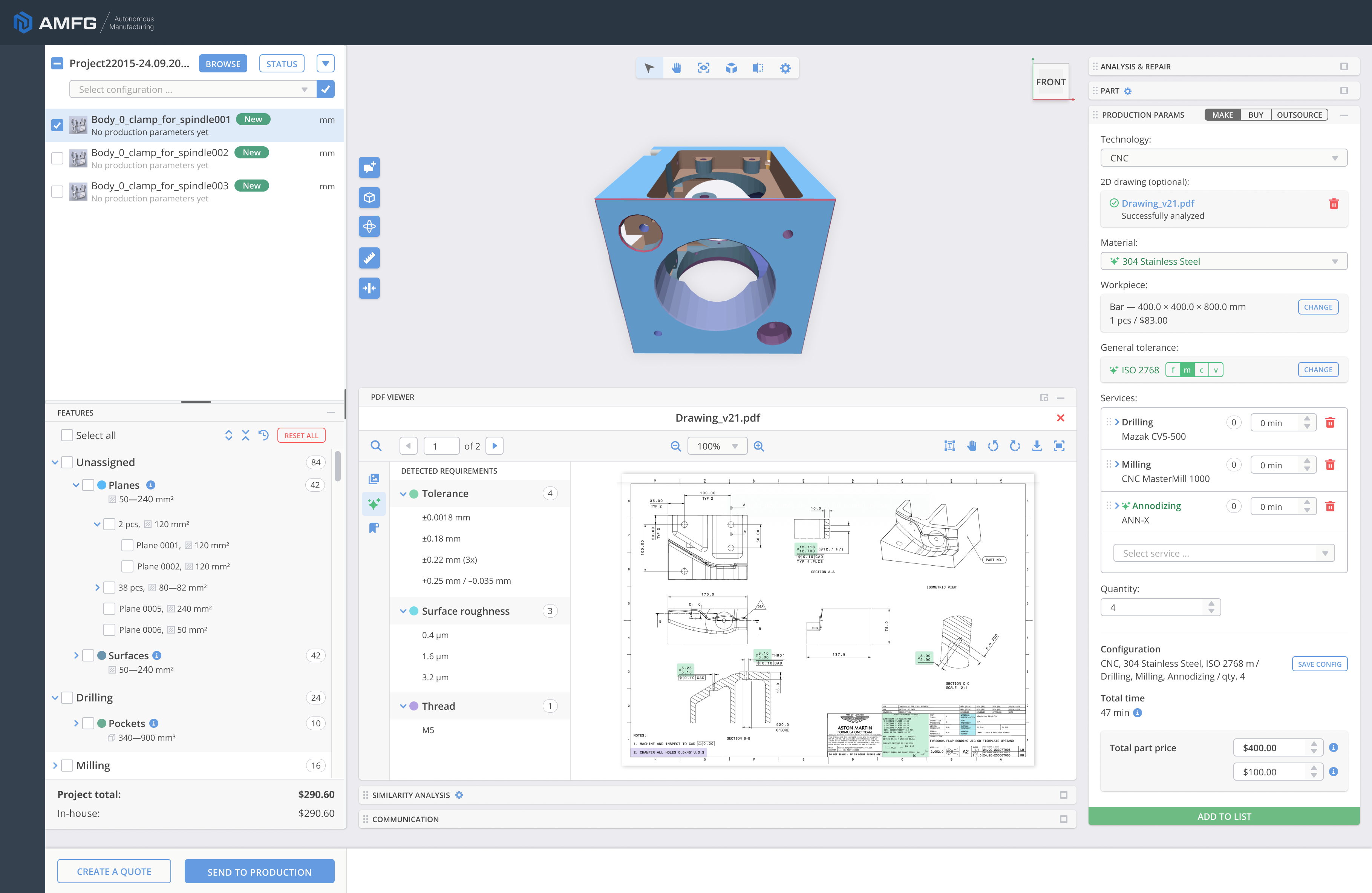
Image courtesy of iStock[/caption][spacer height="50px"]As Simon Constable pointed out in an article for Forbes magazine, the idea that manufacturing jobs are unskilled is a myth, “they aren't and they likely never have been.” He adds, “The machines used on factory floors require a great deal of expertise to operate. Failure to have the requisite knowledge could lead to your death, the loss of your limbs, or similar to your colleagues.”Machining in particular is a profession that requires its own skillset. CNC machinists have several abilities, including familiarity with mathematical concepts, analytical skills, physical stamina and manual dexterity and accuracy. As technology develops, CNC machining jobs will require machinists to have even greater skills. Innovations such as multi-axis machining, advanced CAD/CAM software, and high-precision cutting tools are revolutionizing the industry, making it more efficient and capable of producing complex parts with high precision. These technologies require a workforce that is not only technically proficient but also capable of continuous learning and adaptation. Highlighting these advancements and the exciting opportunities they create is crucial in reshaping the industry's image.Furthermore, while it is true that automation is transforming the nature of work in CNC machining, it is also creating new types of jobs that require different skill sets. Automating processes with advanced machines or through software such as AMFG can streamline operations. As a result, time that would have been expended on repetitive tasks can be saved, allowing job shop owners to innovate and scale. Moreover, machinists have a new opportunity to upskill and work on more interesting projects. [caption id="attachment_40715" align="alignnone" width="1000"]
Image courtesy of iStock[/caption]As Deloitte points out, “companies could free up three additional hours a day per person by adapting digitization and automation and offer more training sessions to workers during those freed-up hours. This could enable manufacturers to better prepare employees for current and future job roles, including those that require advanced digital skills, and help build career pathways.” Despite the anxiety surrounding these new technologies, humans still play an indispensable role in manufacturing. According to Marc Wren, Cybersecurity manager for Axians UK, industry 5.0 is defined by recognising the value of people on the job floor. As Marc points out, “for workers, the transition to Industry 5.0 represents an opportunity to leverage uniquely human abilities while upskilling to become more effective in the modern workplace. Rather than being replaced by automation, employees can become valued partners in the manufacturing process to drive continuous improvement and innovation.”The trend for reshoring, where companies bring machining back to their home countries, is also changing the perception of manufacturing. Machining company Penta argues that reshoring provides job shop owners benefits such as more stable supply chains, shorter lead times and better payment terms.Manufacturers are increasingly taking advantage of the opportunities offered by reshoring. According to a 2022 survey led by Deloitte, 62% of manufacturers have begun the process of reshoring or nearshoring. Evidently, then there is much more to machining than meets the eye. The stereotypes around unskilled labour and diminishing opportunities ignore the growing demand for machinists and the innovation that characterizes the industry.
Mark it in your calendar
[spacer height="50px"][caption id="attachment_40705" align="alignnone" width="1000"]
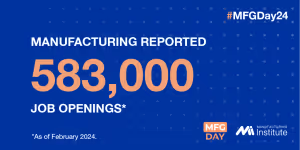
Image courtesy of MFG Day[/caption][spacer height="50px"]The 4th of October 2024 will be no ordinary Friday. On this date, manufacturers across the US will come together to celebrate their industry for Manufacturing Day or MFG Day. Established in 2012, MFG Day is an initiative of The Manufacturing Institute and aims to “inspire the next generation, positively shift perceptions about the industry, and build the foundation for the manufacturing workforce of the future.”From LA to Pennsylvania, companies and educational institutions are engaging with the public to promote manufacturing. A quick look at the resources available to participants makes it clear which myths around the industry the events aim to dispel. The assets provided by MFG day point out the 583,000 job openings reported in the manufacturing industry, the 3.8 million jobs to fill between now and 2033 and the $98,846 average income of US manufacturing employees. The US is not the only country to hold a “manufacturing day”. Manufacturing organisation MAKE UK will hold its own National Manufacturing Day on the 26th of September. Similarly, the event aims to “demonstrate the value of a manufacturing apprenticeship as an alternative route post-school/college. National Manufacturing Day is a celebration of all of the industry’s sub-sectors including automotive, food and drink, aerospace, defence, chemical and pharma.”If that isn’t enough, the 6th of June saw Manufacturing Day 2024, “the leading event for the manufacturing industry during ViennaUP’24, the largest decentralised startup festival in Europe.” Aside from the networking opportunities offered by the event, the event’s USP is very familiar. According to the organisers Manufacturing Day “aims to showcase the latest innovations and technologies that are driving this transition and to inspire the next generation of manufacturing professionals to take an active role in shaping the future of the industry.”
A widespread effort
[spacer height="50px"][caption id="attachment_40707" align="alignnone" width="1000"]

Image courtesy of National Manufacturing Day[/caption][spacer height="50px"]What is striking about these events is that despite being hailed as “national”, machining companies at both international and local levels participate. MFG Day in the US includes both Massachusetts-based job shop North Easton Machine Company as well as the Brueckner Group. The UK’s National Manufacturing Day paints a similar picture. The event features workshops held by major international brands such as manufacturing equipment giant Mazak. The company’s contribution to National Manufacturing Day includes ‘through the keyhole’ tours of their European HQ in Worcester, UK where they offer a glimpse at their state-of-the-art machines and automation solutions.At the same time, National Manufacturing Day also includes the participation of precision engineering company A&M, which specialises in providing “precision-engineered solutions by combining EDM spark and wire erosion, CNC milling, turning and toolmaking.” The company caters to a range of sectors including aerospace, automotive, Formula 1, food production, marine, production assembly and space sectors. According to A&M, the aim of their contribution is to, “we will be opening our doors to local schools to inspire future manufacturers” At the heart of these campaigns is a sense of collaboration that Roger Atkins, president of the National Tooling and Machining Association (NTMA) called for. Atkins outlines the importance of collaboration across machining and manufacturing on the whole. He says, “We were once a very united group of precision manufacturers focused on collaborating through trade associations and providing products for multiple industries and our country. Today our industry has become very fractured, self-centered and no longer seems to be community-minded. [...] Individual success may be enough for today, but is it enough to sustain our industry for years to come?”Atkins added, “If we as an industry can align and join together in igniting a manufacturing movement across the U.S. we can change the world. Workforce development is a critical factor. Regardless of what a company can contribute in time and energy, being a part of a combined community is good for all. I believe that not being a part of this manufacturing movement will leave companies behind.”
Education
[spacer height="50px"][caption id="attachment_40703" align="alignnone" width="1000"]
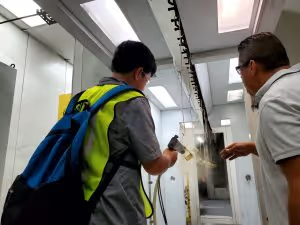
Image courtesy of NBT[/caption][spacer height="50px"]It should come as no surprise to shop owners that when we talk about changing the perception of machining, there is one specific audience in mind: children and young people.While a wider societal change in attitudes would be a positive development, there’s no doubt that these initiatives are aimed at fostering the next generation of machinists and manufacturers.A look at these events highlights the need for a focus on education. As well as the companies involved in these national manufacturing days, educational institutions are well represented in MFG Day from community colleges to high schools.Of course, in order for young people to be attracted to these careers, they need to be aware of these opportunities and options for training. However, educational institutions often do not emphasize vocational training or partnerships with local industries, leading to a mismatch between graduates' skills and job market needs. Moreover, STEM (Science, Technology, Engineering, and Mathematics) education is frequently promoted without highlighting its applicability in CNC machining careers, further alienating potential talent from the industry. Addressing this lack of awareness is the aim of Nuts, Bolts & Thingamajigs a part of the Fabricators & Manufacturers Association, International. Nuts, Bolts & Thingamajigs (NBT). NBT works to increase awareness and foster interest in manufacturing careers from young people through connecting manufacturers and educational institutions. Their summer camp programmes allow children between 12 and 16 years old to “experience modern manufacturing by creating, building, and taking a product home.”The results are promising with NBT reporting that “92% of participants increased their awareness of manufacturing careers in their community.”
Final thoughts
[spacer height="50px"][caption id="attachment_40401" align="alignnone" width="1000"]
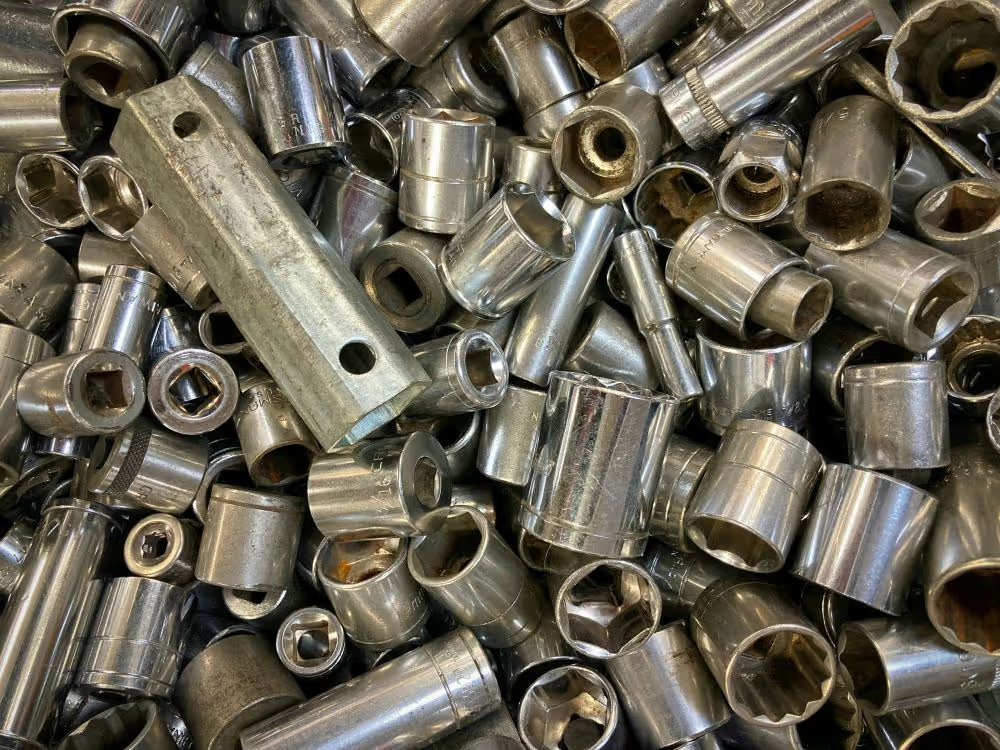
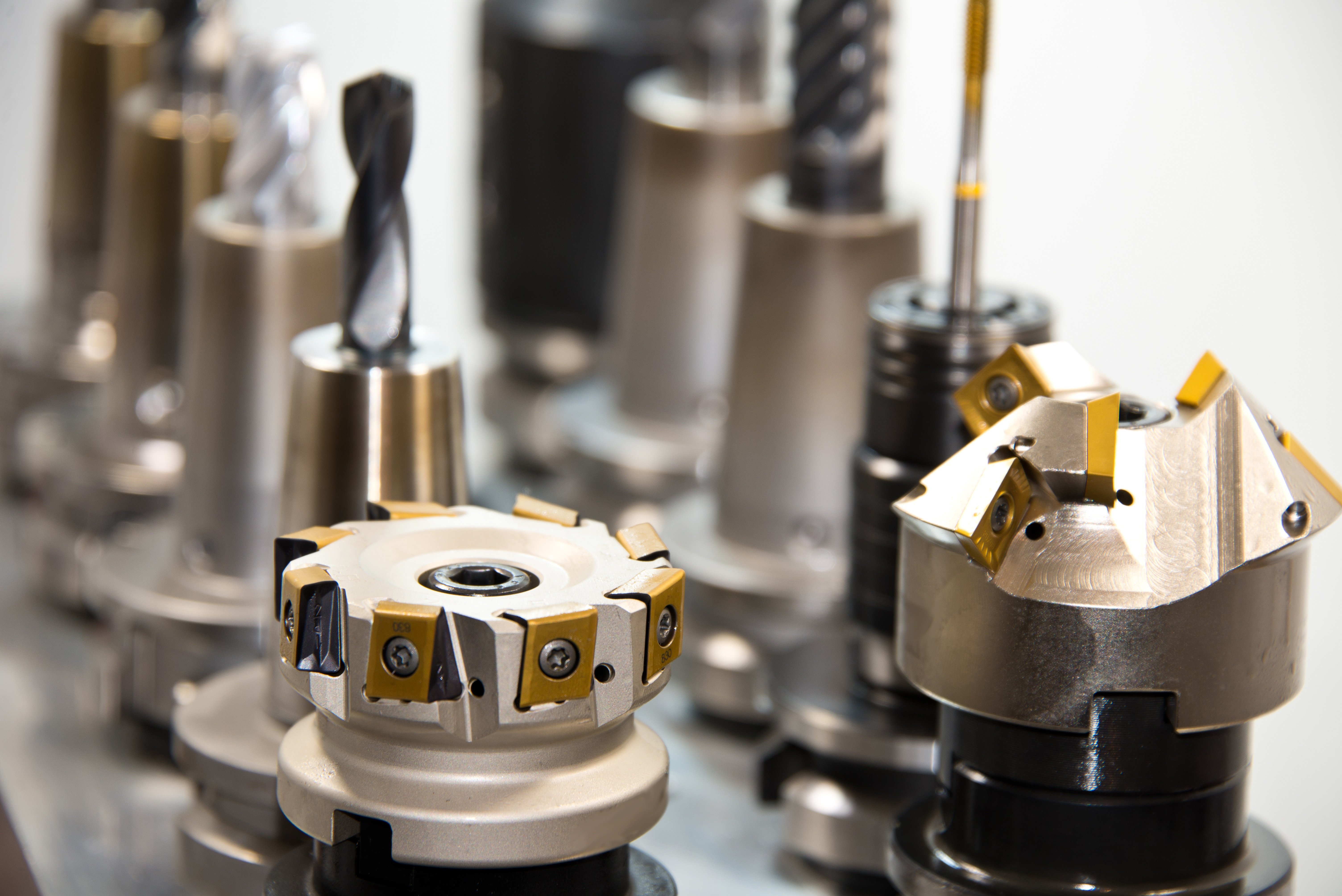
Photo by Acton Crawford on Unsplash[/caption][spacer height="50px"]While the fact that there are five Burgmaier parts in every car in Europe is impressive, the issue is that the majority of people don’t know this. This is only one example to highlight the ways in which machining is often overlooked, criticised and undervalued. Indeed, the image crisis facing machining is not limited to this sector. The manufacturing industry must address the misleading perceptions surrounding the industry. As part of this, shop owners must dispel outdated or misleading ideas about the work that job shops do.Changing these perceptions is a mission with high stakes and is vital for addressing the ongoing labour shortage felt across the whole industry. As such, collaboration across companies and across the spectrum of manufacturing is necessary to raise awareness of the innovation and opportunity offered by machining. Fortunately, the manufacturing days held across the globe are proof that manufacturers and educators alike are already working to address this issue. It will be fascinating to see how this engagement with communities translates into actual change regarding the perception of manufacturing.


.avif)
.svg)