The Importance of Digitization for Small Manufacturing Businesses



In the competitive world of manufacturing, small businesses face unique challenges, from managing supply chains to ensuring product quality. As AMFG has explored, the technology continues to evolve introducing exciting solutions with every new development. As technology continues to evolve, digitization has become a crucial factor for manufacturers seeking to stay competitive, enhance efficiency, and grow their operations. However, with high financial barriers to entry, these processes may seem inaccessible for small manufacturers. While the process may seem daunting, embracing digital transformation offers significant advantages that can drive long-term success.Here we explore why digital transformation is not just reserved for big business.[spacer height="50px"][caption id="attachment_41980" align="alignnone" width="1000"]
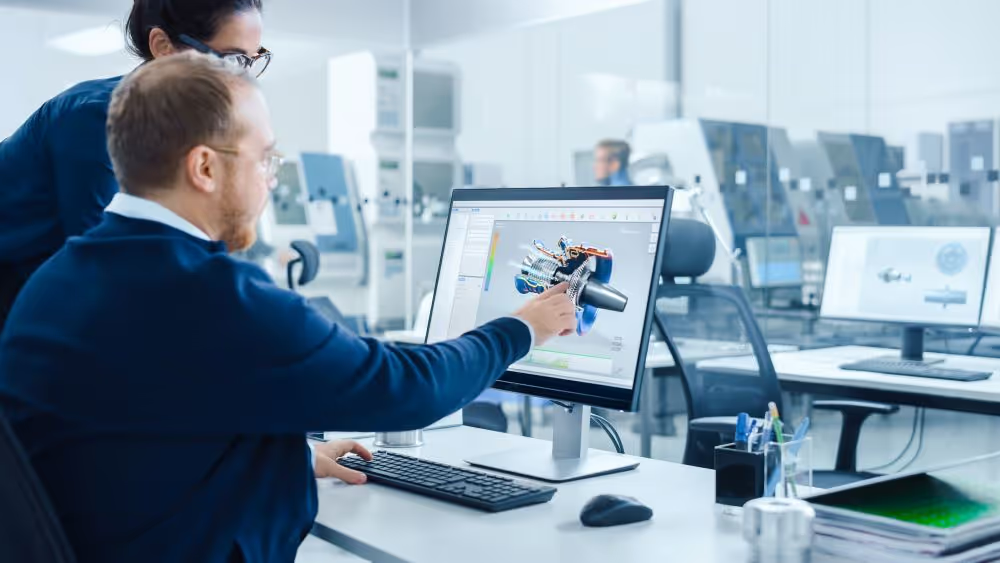
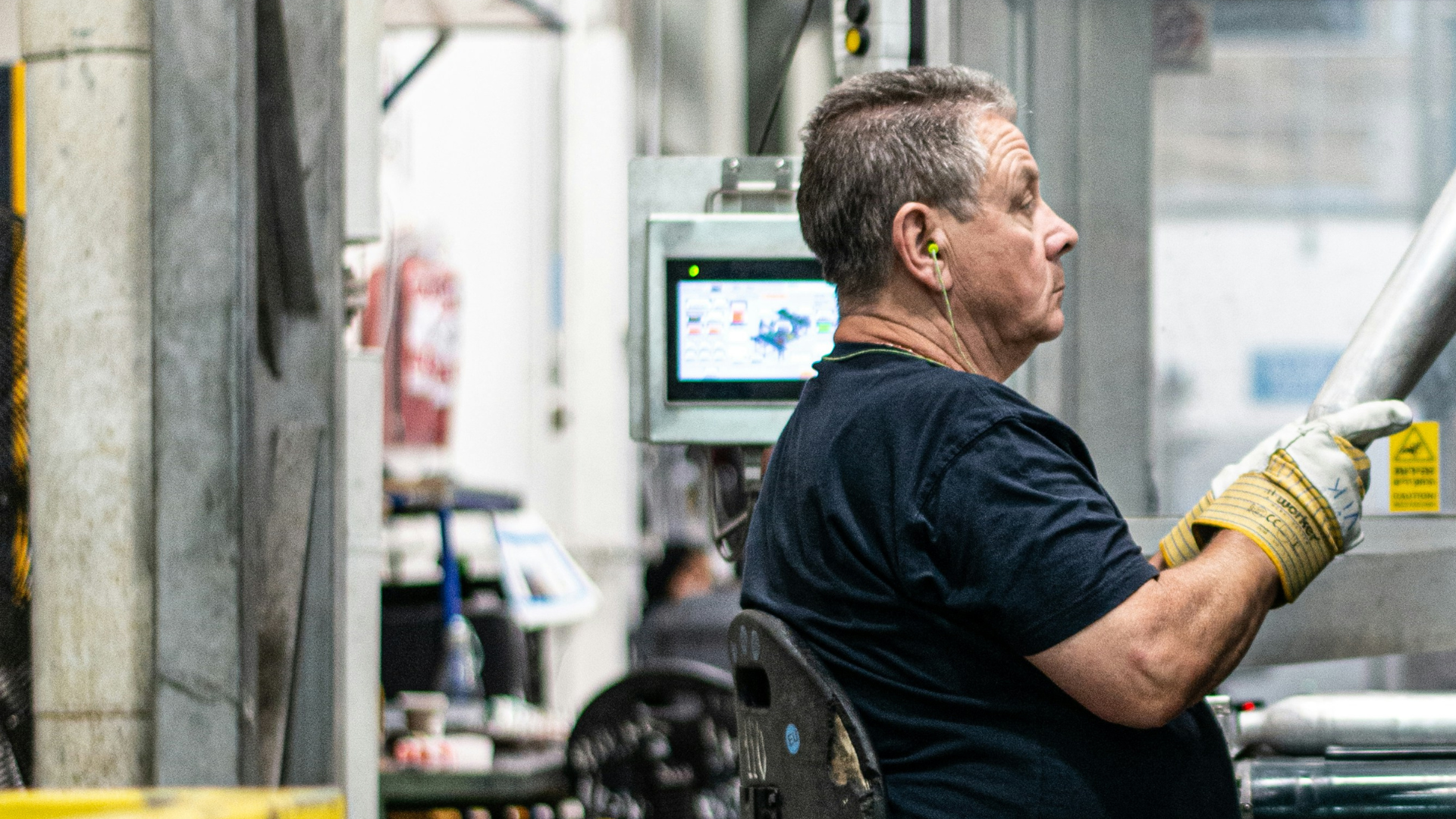
Image courtesy of Shutterstock[/caption][spacer height="50px"]
Streamlined Operations and Increased Efficiency
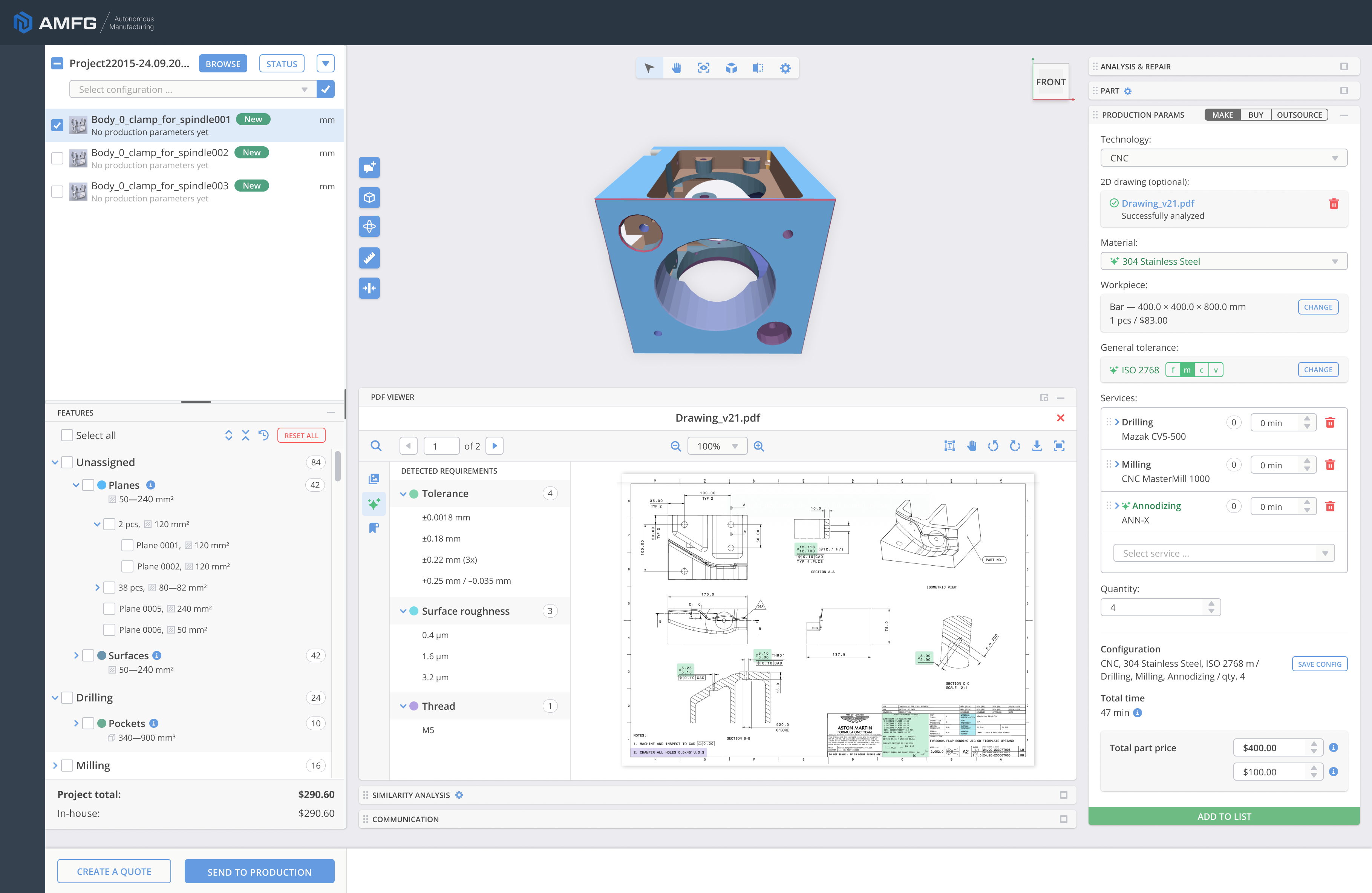
[spacer height="50px"]Of course, every company’s dream is to produce high-quality work while minimizing time and effort. Digitization can be a crucial factor in making that dream a reality with a study by Deloitte found that digitized manufacturing operations can increase efficiency by up to 20%.Digitization enables small manufacturing businesses to streamline operations, reducing waste and improving productivity. Implementing enterprise resource planning (ERP) systems like SAP Business One or NetSuite allows manufacturers to integrate various processes, such as inventory management, production planning, and order processing, into a single platform. This integration minimizes errors and reduces the time spent on manual data entry.For example, a small furniture manufacturer could use an ERP system to automate inventory tracking, ensuring raw materials are always available when needed. This reduces downtime and keeps production schedules on track. According to NetSuite, Texas-based manufacturer Air Oasis achieved such a high degree of productivity that it was able to scale up businesses without sacrificing its lean business model. The company can continue to grow and employees have greater time savings, even managing to take on volunteering projects in some cases. [spacer height="50px"]
Delivering High-Quality Products
[spacer height="50px"]Speed is only valuable when it doesn’t come at the cost of quality. Digitizing this process allows small manufacturers to track defects and implement corrective actions quickly, reducing the risk of faulty products reaching customers. Quality management systems (QMS) like MasterControl or Intelex allow manufacturers to monitor production processes in real time, ensuring that products meet quality standards at every stage of production.In fact, according to Praxie, companies using AI systems for quality management can reduce company defects by 25% and improve their product quality rating by 20%. US-Based Aluminium and Steel service centre Kloeckner Metals partnered with Intelex to address their need for operational digitization. The results speak for themselves with reductions in approval times, data collected from Intelex informing business KPIs and streamlined documentation management.[spacer height="50px"][caption id="attachment_41978" align="alignnone" width="1000"]
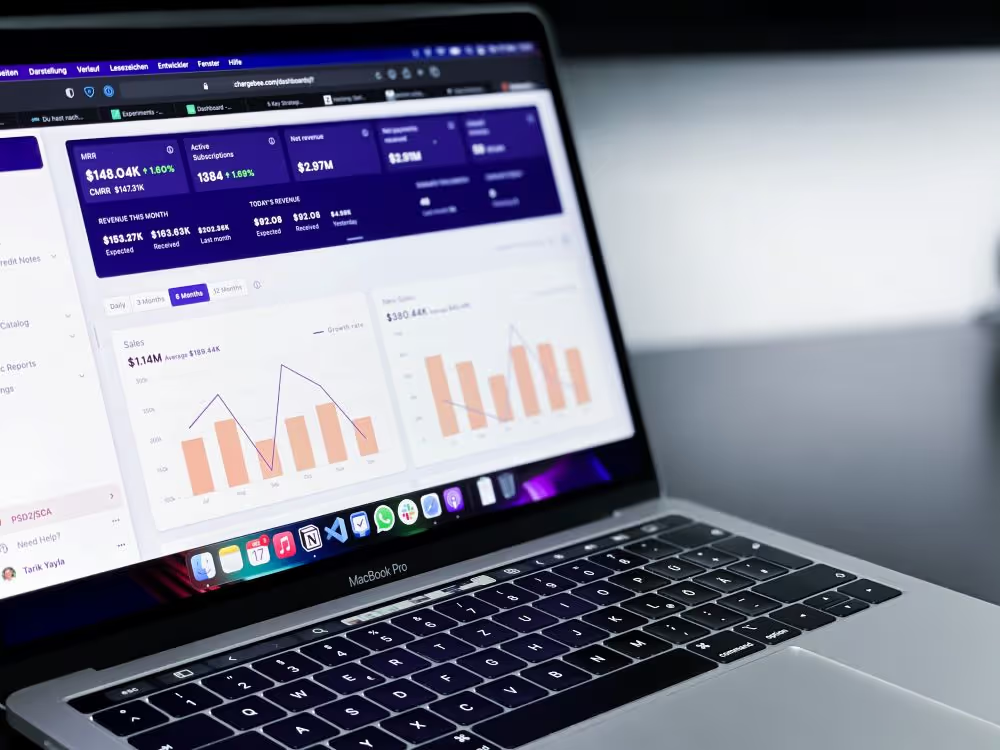
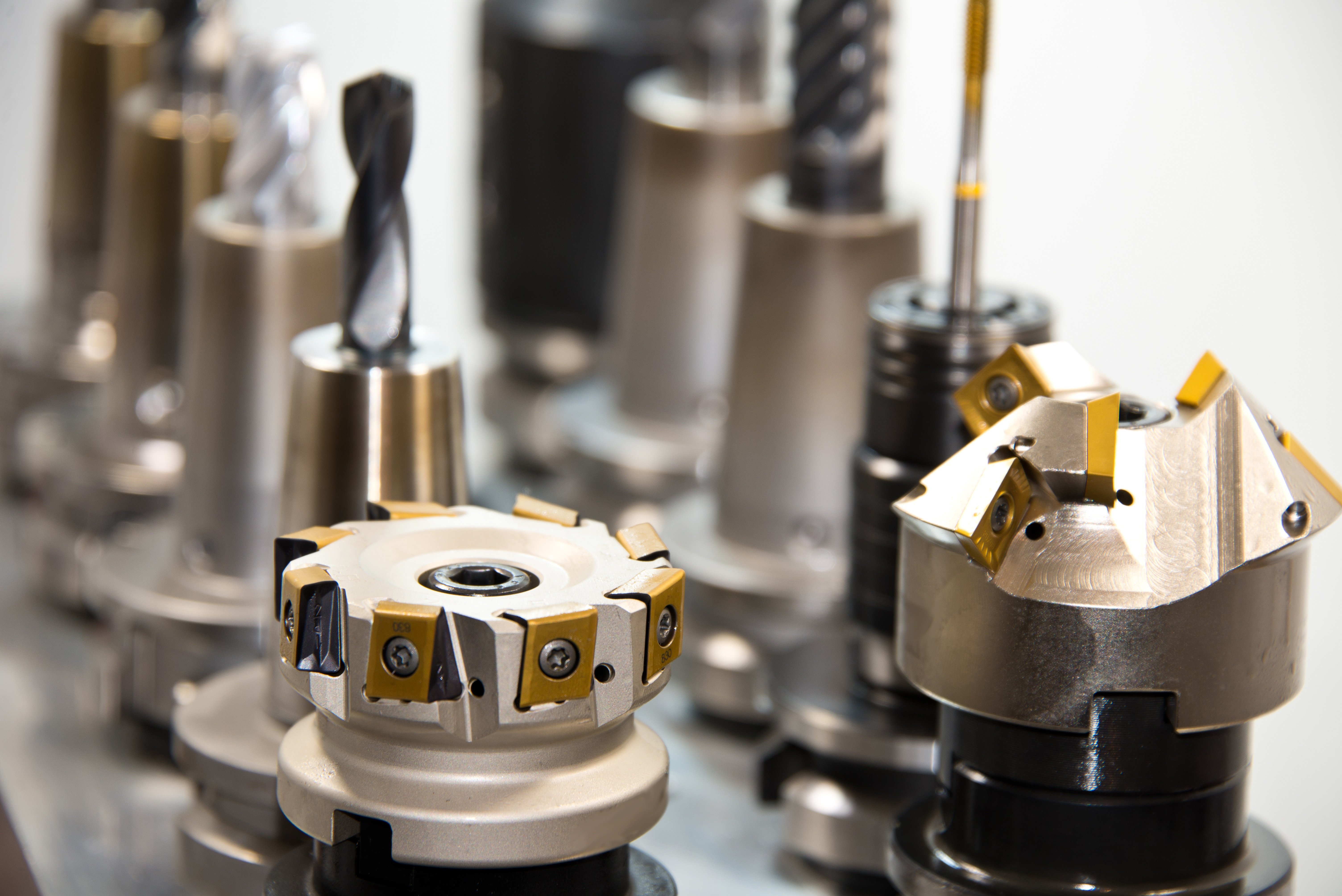
Image courtesy of Shutterstock 2[/caption][spacer height="50px"]
Cost Reduction and Resource Optimization
[spacer height="50px"]Higher quality products and faster operations are beneficial to any company but they don’t exist in a vacuum. Where there are time-saving, cost savings are never too far behind.According to a study by PwC, digitized supply chains can reduce operating costs by up to 30%.While the initial investment in digital tools might be a concern for small manufacturers, the long-term cost savings can be substantial. For example, using predictive maintenance tools like IBM Maximo or GE Digital can help manufacturers monitor equipment health and predict failures before they occur, reducing downtime and costly repairs.To take one example, when US-based technology company Novate partnered with IBM Maximo, they discovered that the solution could predict flaws in equipment that appeared by all accounts to be working properly. Identifying a need for more oil in the motor of one of its machines, staff were able to address the issue before it caused a system malfunction.Additionally, digitizing supply chain management through platforms like Kinaxis or E2open can optimize inventory levels, reduce lead times, and lower transportation costs. [spacer height="50px"]
Data-Driven Decision Making
[spacer height="50px"]In the manufacturing industry, making informed decisions is crucial for success. Digitization provides small manufacturers with access to real-time data and analytics that can drive better decision-making. Tools like Microsoft Power BI or Tableau allow manufacturers to visualize key performance indicators (KPIs), monitor production efficiency, and identify areas for improvement.According to the Manufacturing Leadership Council, 95% of manufacturers say data makes for faster and/or higher-quality decision-making.For example, a small automotive parts manufacturer could use data analytics to track production cycle times and identify bottlenecks in the process, allowing them to make adjustments that improve overall efficiency. Luis Felipe Soffia, Head of Market Intelligence at Arauco explains how using data visualisation software like Tableau has made them better able to generate and share company insights. According to Soffia, “[...] the expectations of our business managers, for example of having a report with the profitability for one month could have been eight, nine days after the information was published. Today we are talking about something that updates within the same day and that is distributed to everyone.”[spacer height="50px"][caption id="attachment_41974" align="alignnone" width="1000"]
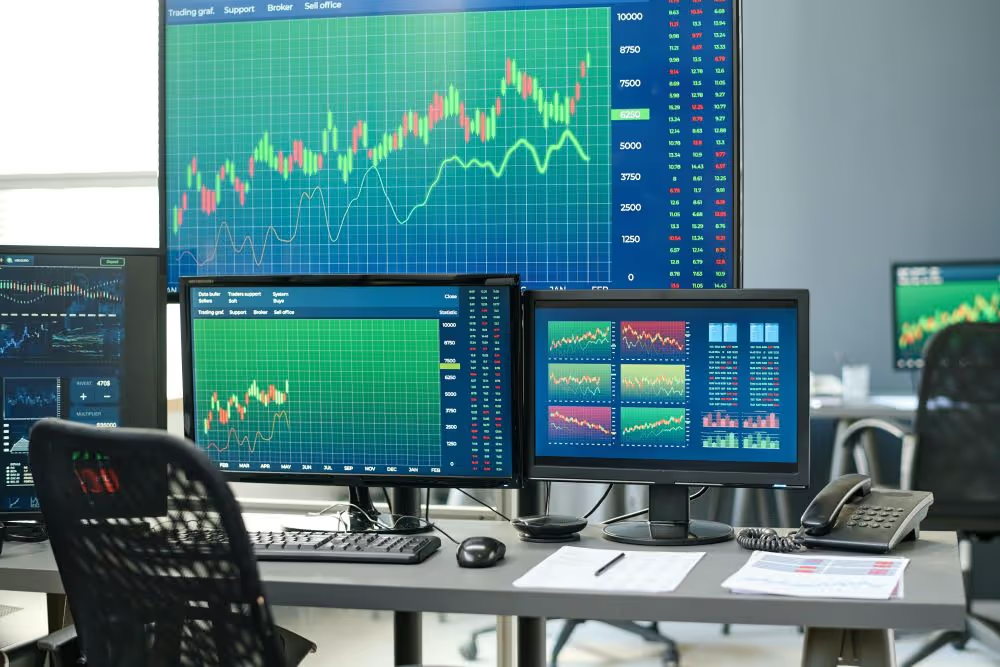
Image courtesy of Shutterstock[/caption][spacer height="50px"]
Competitive Advantage in a Digital World
[spacer height="50px"]Digital transformation technologies are here to stay with the market being valued at $367.60 billion in 2024 and expected to reach $876.10 by 2029.In today’s digital economy, small manufacturers that fail to digitize risk being outpaced by competitors. By adopting digital tools and strategies, small manufacturing businesses can differentiate themselves in the market, offering superior products, faster delivery times, and better customer service.For example, a small food processing plant that implements IoT (Internet of Things) sensors to monitor production lines in real time can ensure consistent product quality and respond quickly to any issues, giving it an edge over competitors relying on manual monitoring.These days, digital transformation technologies aren’t just nice to haves, they’re necessary to keep up with the curve instead of being left behind.[spacer height="50px"][caption id="attachment_41970" align="alignnone" width="1000"]

Image courtesy of Shutterstock[/caption][spacer height="50px"]
Final Thoughts
[spacer height="50px"]For small manufacturing businesses, digitization is no longer an option—it's a necessity. The benefits of streamlined operations, enhanced quality control, cost reduction, data-driven decision-making, scalability, and competitive advantage make a compelling case for digital transformation. By embracing digital tools and strategies, small manufacturers can not only improve efficiency and reduce costs but also position themselves for sustainable growth in an increasingly digital industry.Investing in digitization today will enable small manufacturing businesses to meet the challenges of tomorrow, ensuring long-term success and competitiveness in a rapidly evolving market.However, as Forbes points out, “digitally transforming your company is not a short-term commitment.” Deciding to update your company’s processes is as much about mindset as it is about a new set of kit or software. Businesses have to decide if they’re able to commit to digital transformation not just today, but for a lifetime.
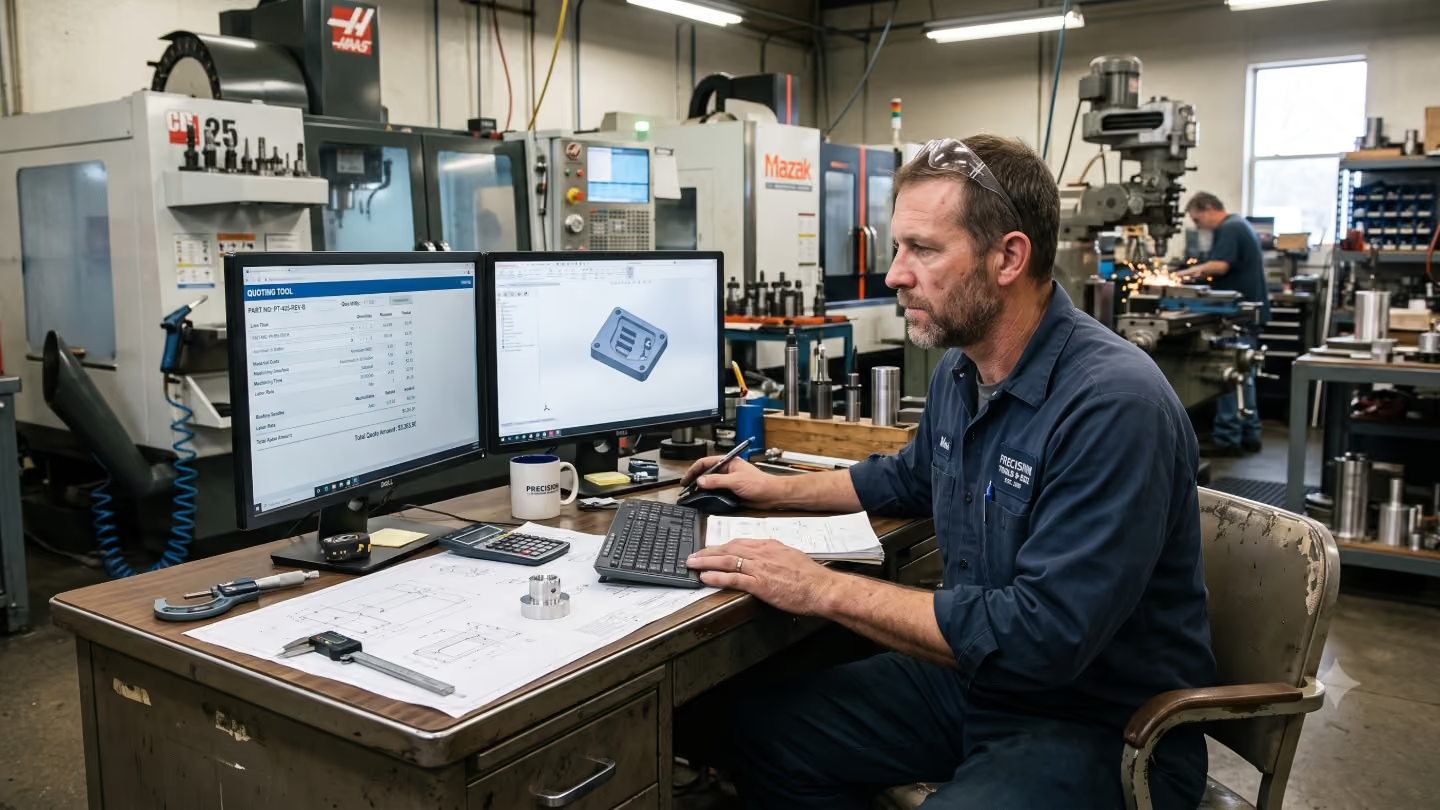


.avif)
.svg)