Eliminating Silent Downtime with Software
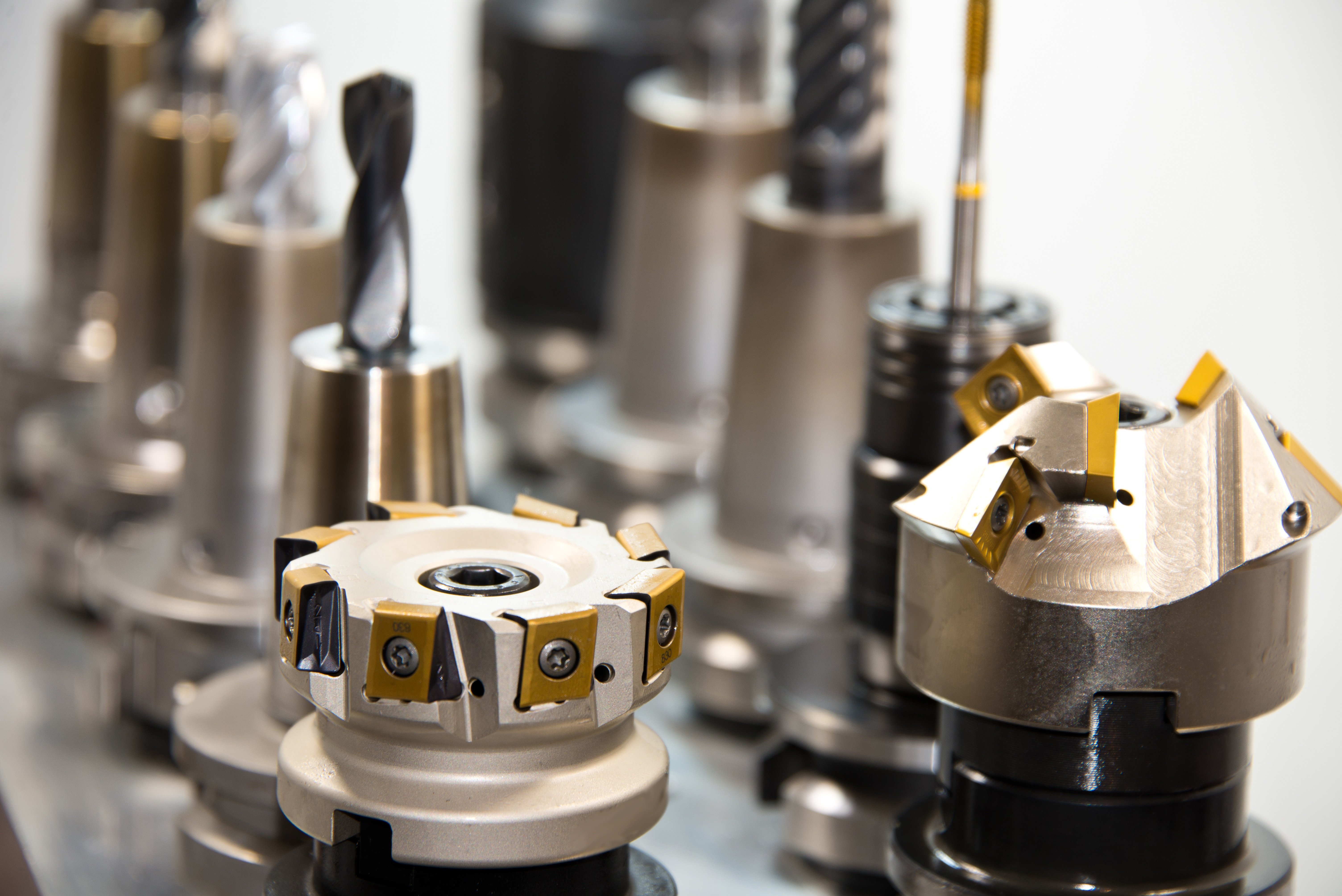


For high-mix, low volume machine shops, the biggest source of lost capacity isn’t just your machine’s downtime, it's the information bottlenecks between the front office and the shop floor. Manual quoting, manual CAM programming and undocumented tool set up chaos quietly bleed shop productivity. Software that automates and connects these steps can turn multi hour workflows into minutes.
The True Cost of Hidden Downtime in High Mix, Low Volume Shops
An idle spindle is the most common way shop owners measure downtime. Set up times and tool change are obvious time consuming tasks that carry visible costs. But on the shop floor, there are quieter drains on capacity.
The less visible cost is informational. High value machines and skilled machinists are waiting around because the data got caught up between the front office and the shop floor. Software is shifting from a “nice to have” to a core operational backbone to close that gap and recover time that has slipped away.
The financial impact isn’t trivial, as unplanned downtime is expensive, costing job shops between $180,000 to $400,000 in a single year.
The Quoting Bottleneck
Low volume, high mix work in sectors like Aerospace & Defense is inherently complex. From an engineering standpoint, that complexity can be exciting, but it can also mean a lot of unpaid time spent up front just to get to a quote figure you can send the customer.
When every part is a unique puzzle for estimators and programmers to understand, a queue of RFQs can cause shops to hit their bandwidth fast. Quoting is usually the first process that gets squeezed, treated like an afterthought that ends up capping your shop’s growth, as you can’t win work you don’t have time to bid for.
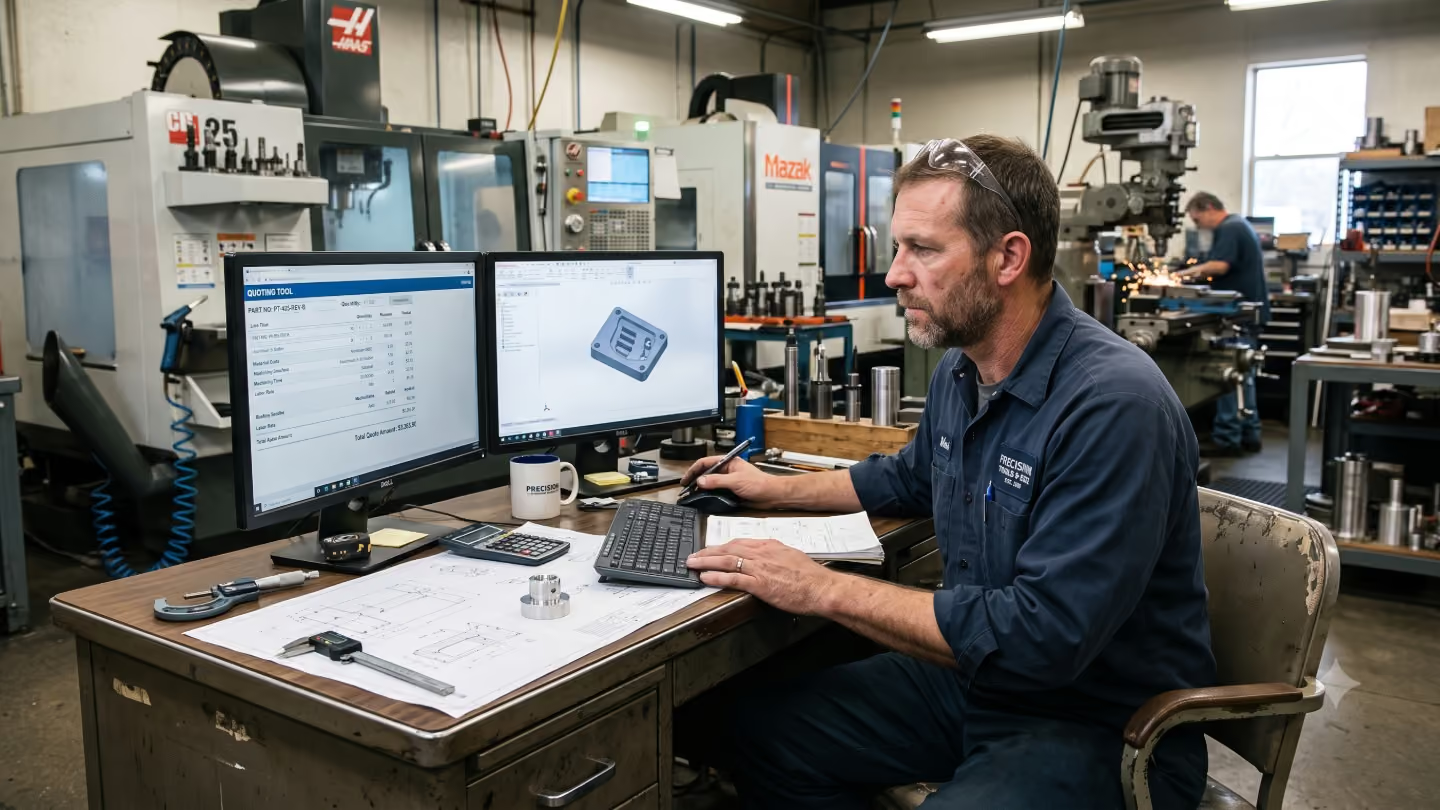
Without dedicated tools, estimators rely on gut feel, a vague memory of a similar part they did in the past and an ancient spreadsheet that’s been copied and tweaked so many times a miscalculation is inevitable. When these errors do creep in, it won’t be a quick fix. Tracking down one bad formula or reference can often take as long as building a quote.
To make matters worse, RFQs are often missing specifications or have incomplete context. Estimators end up second guessing themselves, spending extra time validating their guestimates through CAM programming.The back and forth starts, as underquoting can mean lost margins and overquoting can mean idle shop floors. None of the mental load and time is accounted for, but it is still time that’s gone down the drain.
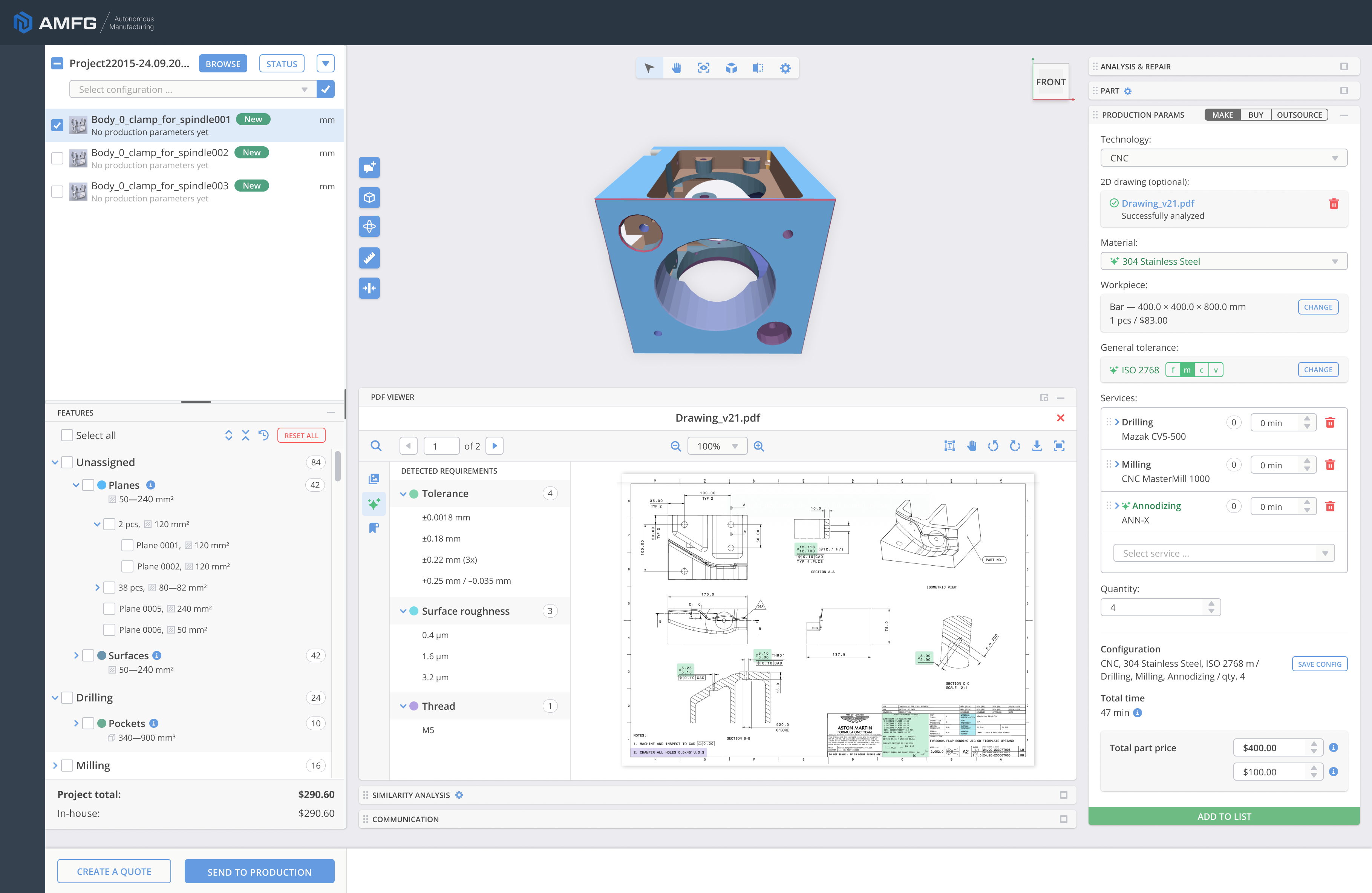
When facing a piling backlog of RFQs, dedicated Estimating & Quoting software can help with both calculating estimates and quote building. AMFG’s Sentinel AI instantly extracts key GD&T callouts and title block data directly from 2D PDFs into a single place. Paired with automated CAD feature and geometry extraction from 3D models, your team gets instant, data-backed visibility into part complexity without spending hours hunting through files. This information is then used to algorithmically calculate run, set up and programming times to build fast, reliable, databacked quotes. The estimator’s job now shifts from building the quote to reviewing one and signing off on it, increasing throughput.
The CAM Programming Hold Up
Even before a new part goes into production, CAM programming is another major front-office bottleneck for custom part manufacturers. Because every small batch run requires unique toolpathing, tolerance verification, and inspection planning, experienced programmers burn valuable hours manually creating machine instructions for every part. Often, it starts with manually counting features from the CAD model before they even begin building G code.
When shops are already going through labor shortages, they are relying on a small number of experienced employees to interpret CAD, extract tolerances, choose inspection features and build programs. This builds up a queue of work, not because the machines are too busy, but because the programmers cannot keep up with the volume.
AI assisted CAM software can generate machinability analysis and toolpath suggestions as a starting point for G-code, cutting down the manual feature counting work and speeding up machine strategy generation. Programmers can start from a working draft instead of a blank screen.
The Set Up Staging Trap
When tools are swapped out, each change can add up due to repeated downtime, with some taking up to 120 seconds. To minimize interruptions, CNC shops have a habit of leaving a magazine packed with tools to avoid set up, but the convenience comes with a cost. When you have to handle tool life tracking, managing presets and coordinate controls, the mental load adds further complexity. While a machine might be ready to go, the information needed to feed into it can become a messy bottleneck as these seemingly small hiccups can ripple into missed deliveries, overtime and reduced throughput.
Advanced Digital Set Up Sheets and Advanced Tool Management can change the equation. Instead of the information staying undocumented as tribal knowledge, these software can help define standardized procedures by tracking tool assemblies, preset data and fixture locations to allow operators to load jobs quickly with less manual coordination. This significantly reduces set up time, human error and creates a more reliable path from program to output.
These software can also provide further operational benefits as new talent can learn quickly with the processes documented. This also improves visibility and maintenance planning, as the system can now track expected life, maintenance frequency and vendor details to catch maintenance or replacement, leading to shortened and planned downtime rather than unexpected broken down machines that would’ve taken much longer to fix.
Why Integration Matters
Each of these tools solves a standalone problem. But their real value compounds when they work together as a connected stack, automating processes that had been handled manually previously. Proper integration creates traceability that connects your front office to the shop floor, breaking down silos.
AMFG’s Estimating & Quoting software can integrate easily with CAM software like Autodesk Fusion. With AMFG autonomously gathering GD&T, materials, specifications and features from the RFQ to generate machining strategies and toolpaths, the data can be transferred over to CAM software like Autodesk.The data syncs up and provides the programmers with all the information they need in one place, without wasting time on repeated manual data entry and risk of entry errors. With the feature recognition from AMFG, programmers spend less time rebuilding every part from scratch.
The same data from CAM software should continue into digital set up sheets. It bridges the digital programming environment to shop floor execution which reduces set up times, errors and makes it easy to train new talent. Instead of a programmer manually writing tooling notes, set up instructions, feeds, speeds and inspection check points, a set up sheet can be automatically generated from the details from CAM. The data from CAM software also integrates with advanced tool management systems that have a library of tools, keeping track of tool wear and automated toolpath generation.
When assessing software to make your shop run more efficiently, integration should be a core requirement, not an afterthought. If you already have existing core systems in place like an ERP or MES but need stronger quoting or estimating capabilities, look for software you can build to layer onto existing systems, customised to fit your needs.
How AI is Changing CNC Manufacturing to Reduce Machine Downtime
AI is changing the manufacturing industry by automating how manufacturers are handling administrative tasks, operations and shop floor processes that used to pull people away from the shop floor. AI powered solutions are now aiding companies to improve efficiency to maximize throughput with more precision, and industry-wide AI augmented operations are expected to grow from 34% to 54% by 2030.
Automating Specification and Requirement Extraction
AI assisted quoting is now possible with AMFG as Sentinel AI aids in pulling out GD&T and block text as well as analysing features to calculate machining times and quotes. AI can now read the specifications and identify callouts or finish requirements that may impact cycle times. Instead of manually hunting for the requirements, AMFG MCP extends this further, enabling secure LLM integrations with AMFG and a shop’s existing systems in place for two way access to the information they want.
Deep Geometric Analysis and Feature Recognition
AI can now instantly understand the different features that are required with automated CAD interrogations. By analyzing the 3D geometry, machinable features are identified and can even suggest toolpaths, warnings and learn patterns from previous jobs. CAM programmers can now start with a baseline of how they can build a custom part rather than starting from scratch, freeing up time for them to focus on programming for optimization.
Tool Life Tracking and Predictive Maintenance
On the machine side, AI models can analyze spindle load, vibration and other data to predict when a tool is likely to need maintenance. Rather than relying on fixed tool life counters or a mental note of when you started using a tool, AI software gives you the visibility into how long and how the tool is behaving. By flagging tools prior to breaking down, they can help shops plan better to minimize losses from the downtime as well as avoiding costly repair fees and the time lost waiting to schedule in a repair man.
AI isn’t replacing experienced programmers or machinists, it is removing the most manual, error prone tasks in their work flows. It delivers maximized productivity, operational excellence and cost and risk reduction.
FAQ
What are real world examples of AI applications in manufacturing?
Real-world examples of AI applications in CNC manufacturing include automation of front office tasks like quoting and CAM programming, feature extraction, and predictive monitoring across the production lifecycle.
Is AI replacing CNC machinists and programmers?
No, AI is taking over the manual, repetitive parts of custom part manufacturing like the feature counting, data entry and first draft toolpaths. The judgement calls are still made by experienced machinists and programmers, and AI just removes the busywork.
What causes hidden downtime in job shops?
Hidden downtime can come from informational bottlenecks, with machines sitting idle due to time lost when quoting, CAM programming or tool set up data isn’t readily available.


.avif)
.svg)