Creating a Resilient Supply Chain in 2026
.avif)


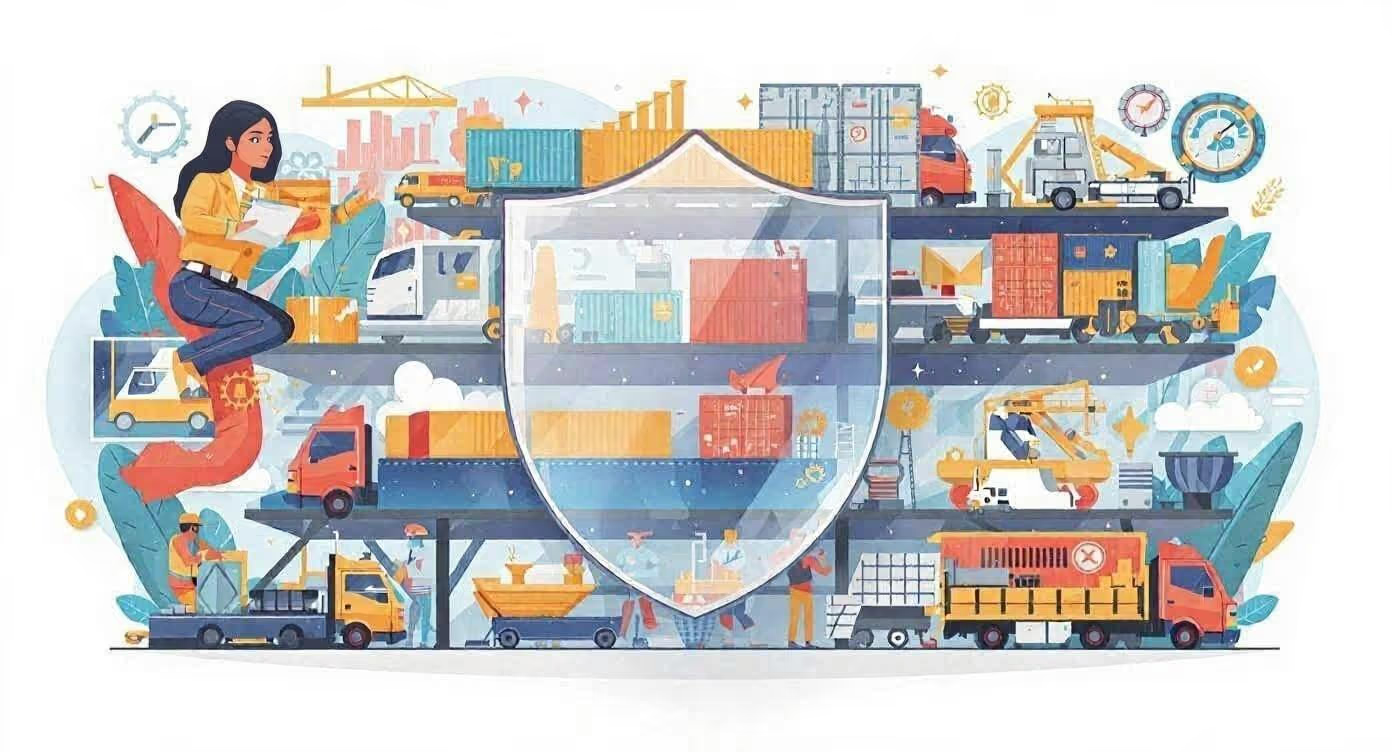
One of the main issues facing manufacturers in 2026 is an increasingly insecure supply chain. A lethal combination of tariff changes, global political instability, and steadily rising prices have all contributed to a growing problem. Business and supply chain disruption ranked as the third highest global risk factor in 2026. So why are supply chains at such high risk?

Tariff Changes
When tariffs are constantly changing, material and shipping prices are quickly affected. When both ends of the supply chain experience rapid price fluctuations, every other link in the chain experiences strain, and consistent pricing becomes impossible. There are a number of quoting strategies shops can use to price competitively, but the impact on the wider supply chain is still significant. Shipping delays, unexpected import and export taxes, and shrinking profit margins are just some of the headaches that come with a supply chain unprotected from tariff changes.
Rising Prices
While the global average inflation dropped over the last few years, recent tariff changes have had a strong negative effect on the manufacturing industry. As a result, material prices are generally higher, leading to increased production costs which are absorbed by the manufacturers. Shops then have to tread a fine line between competitive pricing for customers, and attempting to cover rapidly changing costs, without short-changing their suppliers. The uncertainty across the supply chain makes it harder to plan and allocate resources efficiently, and strategic long term planning is harder than ever for all members of the supply chain.
The Skills Gap
A major problem in the industry, the manufacturing skills gap means suppliers, and skilled tradespeople are in short supply. Without enough workers, shops struggle to keep pace with demand, and face having to offer higher wages and employment packages in order to attract and retain workers. In a time when prices are only going up, many choose to manage by rising prices, taking on less jobs, and increasing production times, which ultimately adds more strain to an already struggling supply chain.
So, what can manufacturers do about it?
Reshore
A popular strategy in the last few years, manufacturers are increasingly looking to reshore their entire supply chains. By reshoring, manufacturers can be assured they are protected from tariffs and global disruption. Geographical proximity also lowers delivery times, making the entire supply chain faster, more efficient, and cost effective.
Strategic Planning
Strategies like scenario planning and short term forecasts can help shops prepare for the future. Knowing the range of challenges your shop might face over the next few months, or years, means you can prepare well in advance for any unpleasant surprises.
AI
Embracing the latest technology is the quickest way to gain a competitive edge, and with vast data analysis and automation AI can now speed up processes, predict inventory levels, and manage shipping logistics more accurately and efficiently than a human. In an ever changing world, having a tool that keeps on top of all your data 24/7 is more important than ever.
Frontload cargo
Speeding up shipping timelines so products and materials pass through ports before tariffs take effect is a common way for companies to protect their supply chain (in the short term). This is the strategy that saved countless shops and companies throughout 2025, and it’s worth keeping in mind for 2026.
Unfortunately, because of its popularity frontloading comes with its own unique disadvantages. When multiple companies try to frontload their cargo and use the same shipping routes, there are inevitable delays and blockages at ports. Proactive planning and diversification of shipping routes can help prevent this, while still providing the benefits of frontloading.
Strong Relationships
Finally, no matter how carefully you plan things can, and will, go wrong. Building and maintaining positive relationships with all your suppliers means that when troubles do arise, you can trust that your suppliers will understand, and help you handle the disruption as smoothly as possible. Ultimately, protecting the supply chain is in everyone's best interest, after all - no one wants to be the weakest link.
About AMFG
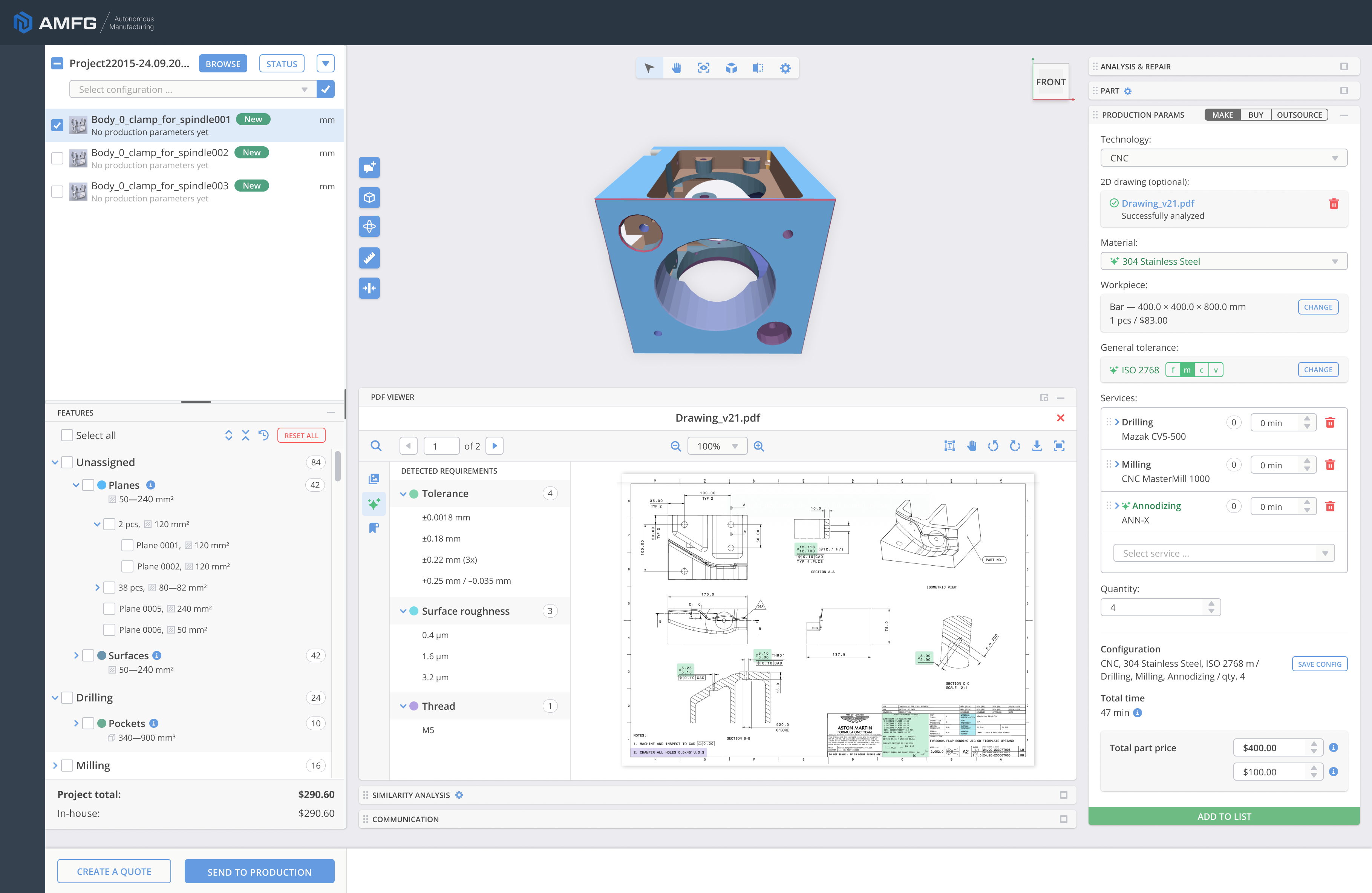
AMFG works with high-mix, low volume manufacturers across the globe, streamlining their operations with our cutting-edge software platform. Our scalable tools automate all stages of manufacturing operations, providing automatic quoting and order management. Using our software, our clients can adapt to complex demand with efficiency and precision, securing their place at the forefront of the manufacturing industry.
For more information, please visit www.amfg.ai or contact: press@amfg.ai


.avif)
.svg)