How to Get Started on CNC Machining


Report by Danny Weller
Computer Numeric Control (CNC) machining stands as one of the popular techniques in modern manufacturing, employing automated tools to craft essential shapes and components. Understanding what CNC machining is and how it operates is fundamental for anyone involved in the industry.
An Overview of CNC Machining
CNC machining, driven by computer control, delivers high precision in crafting parts and components. In this method, a computer program controls the movement of cutting tools, precisely shaping raw material to create the final product.
CNC Machining Process
CNC machining encompasses the production of a diverse range of parts and components, spanning materials like metal, plastic, and more. It excels in producing intricate designs and achieving unparalleled precision, rendering it a preferred choice for manufacturers across various sectors, including aerospace, automotive, medical devices, and consumer goods.
CNC machining boasts several advantages over traditional manufacturing methods, such as heightened accuracy, consistency, and speed. It allows for the production of intricate geometries and fine details, and it supports advanced tooling and techniques, like multi-axis and high-speed machining, further enhancing efficiency and quality.

Image: Zmorph
How Does CNC Machining Work?
Modern CNC machines focus on reducing human intervention in the production process as much as possible. This ensures consistent and continuous performance, which facilitates smart manufacturing and delivers excellent results. Nevertheless, CNC machining operations require careful consideration from the initial design stages to final manufacturing. The process works in three steps:
Step 1 - Design
The initial phase centers on crafting design files in CAD, CAM, and CAE formats as deliverables: the birth of the project. Engineers and designers use CAD/CAM tools to create the part and product's overall design, which are subjected to analysis for manufacturability. This is often referred to as DFM (Design for Manufacturing), and is an indispensable procedure, ensuring maximum benefits for the lowest cost, all while adhering to the limitations of available technology.
In most instances, market-available CAD tools come with internal CAM functionality, streamlining pre-processing and programming, the ensuing stage in the CNC process.
Step 2 - Pre-processing and Programming
Communication with a CNC machine is predominantly carried out through G-Codes or M-Codes. These codes serve as the guiding blueprint for the CNC cutting tool, generated by CAM software. Typically, CNC machinists won’t have to interfere during pre-processing when the design adheres to DFM standards. However, deviations from these standards may require intervention to ensure the highest level of performance.
CNC Programming
This phase is integral to any CNC machining operation. The duration of pre-processing is determined by the overall design process quality. Programming G-Codes and M-Codes is a quick process, usually taking only a few minutes. Nevertheless, these codes depend on the quality of the design. The correctness of these codes hinges on the quality of the design. If it conforms with DFM conventions, accurate codes will be delivered and, consequently, satisfactory outcomes. However, design flaws subsequently yield flawed codes, inevitably leading to unacceptable results.
Step 3 - Machining
The final stage is the machining process, where the codes generated in the previous step guide the removal of excess material from a block.
CNC Milling Parts
Generally, precision machine tools are essential, but they cannot reproduce exactly CAD model dimensions. To counteract this, machinists employ industry-specific tolerances. The general rule of thumb dictates that more precise tolerances translate to increased manufacturing costs.
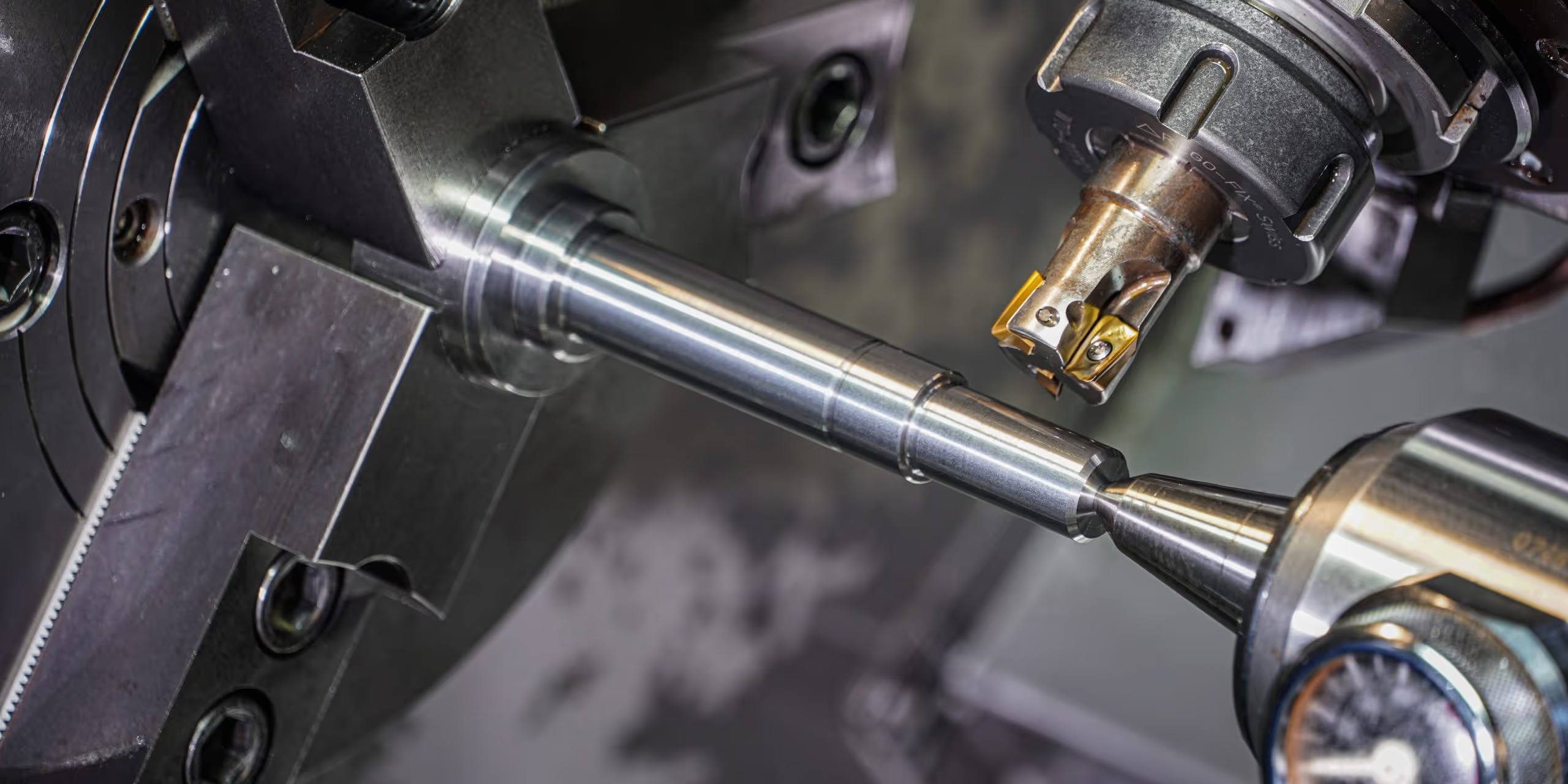
Image: Sven Daniel
CNC Machining Processes
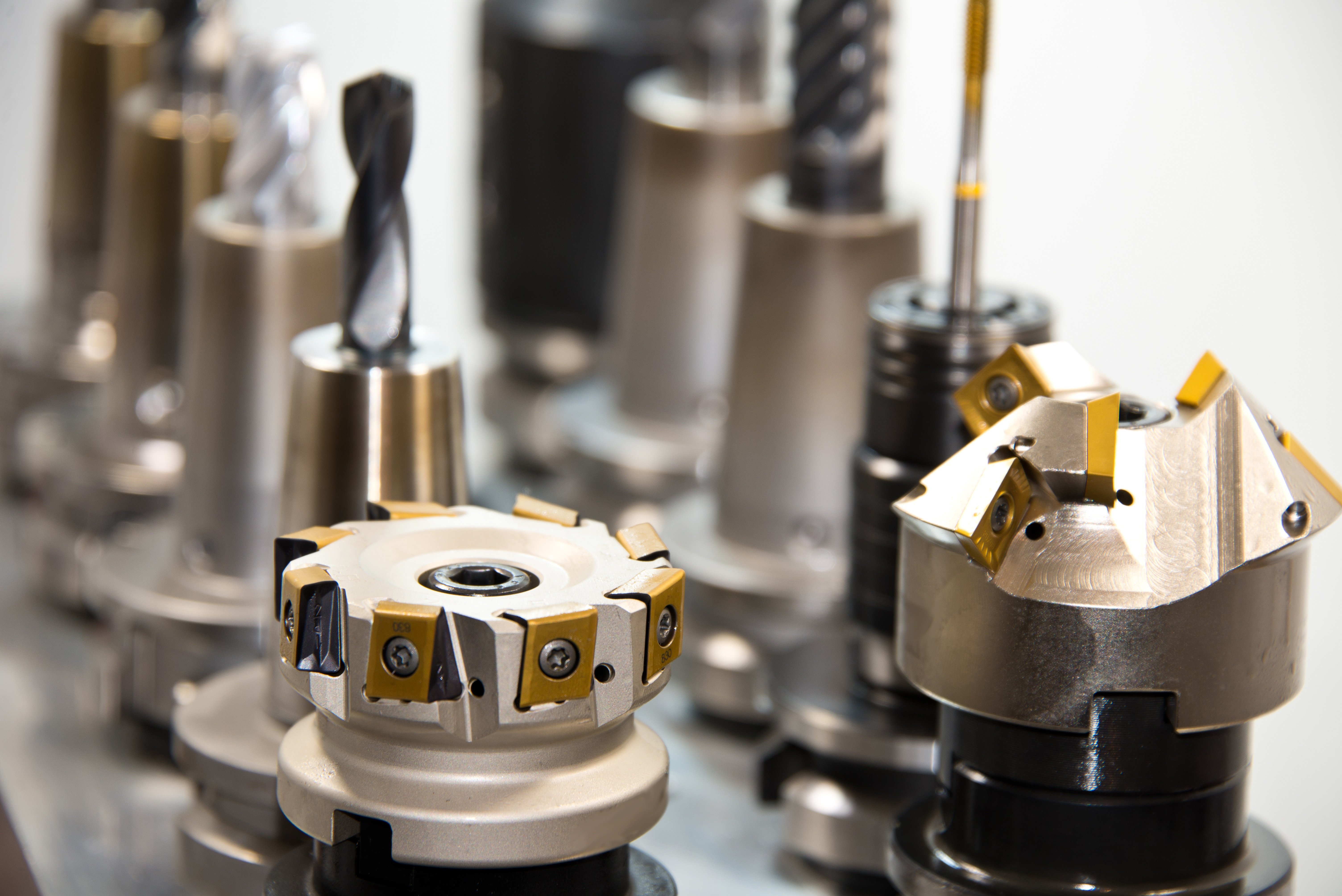
CNC milling machines employ a rotary cutting tool along perpendicular axes to fabricate a wide variety of shapes and products. This manufacturing process is widely employed across diverse industries, including automotive, aerospace, medical devices, and various consumer goods.
Process
One thing that makes CNC milling process different from traditional manufacturing processes is workpiece placement. Generally, the workpiece remains in place and the cutting tool moves around in different directions. The cutting tool responds to the computer program and removes material accordingly. The cutting tools can achieve precise cuts and shapes by spinning at high speeds, and the machine's programming allows for multiple passes to attain the desired end product.
CNC Turning
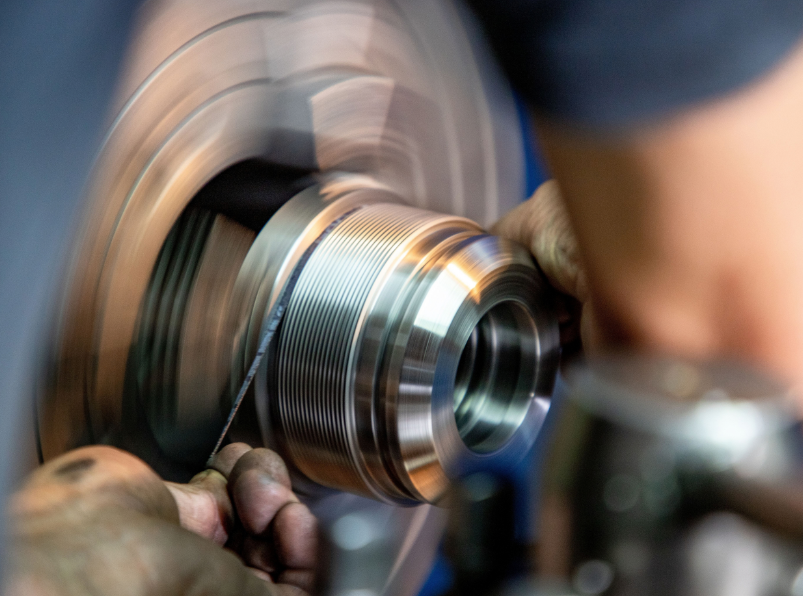
CNC turning is another integral high-accuracy operation that creates precision cylindrical parts. The turning process itself is quite simple: mount the cylindrical part on the machine, which will rotate and the cutting tool will be along the perpendicular and rotational axis. CNC turning is a vital manufacturing process for producing a range of components, from engine parts to shafts, bushings, and gears. This process offers numerous advantages compared to traditional manual turning, such as improved consistency, repeatability, and efficiency. Various CNC turning machines are available, including lathes, turning centers, and Swiss-style lathes. The choice of machine and cutting tool depends on the specific workpiece requirements and the desired end product.
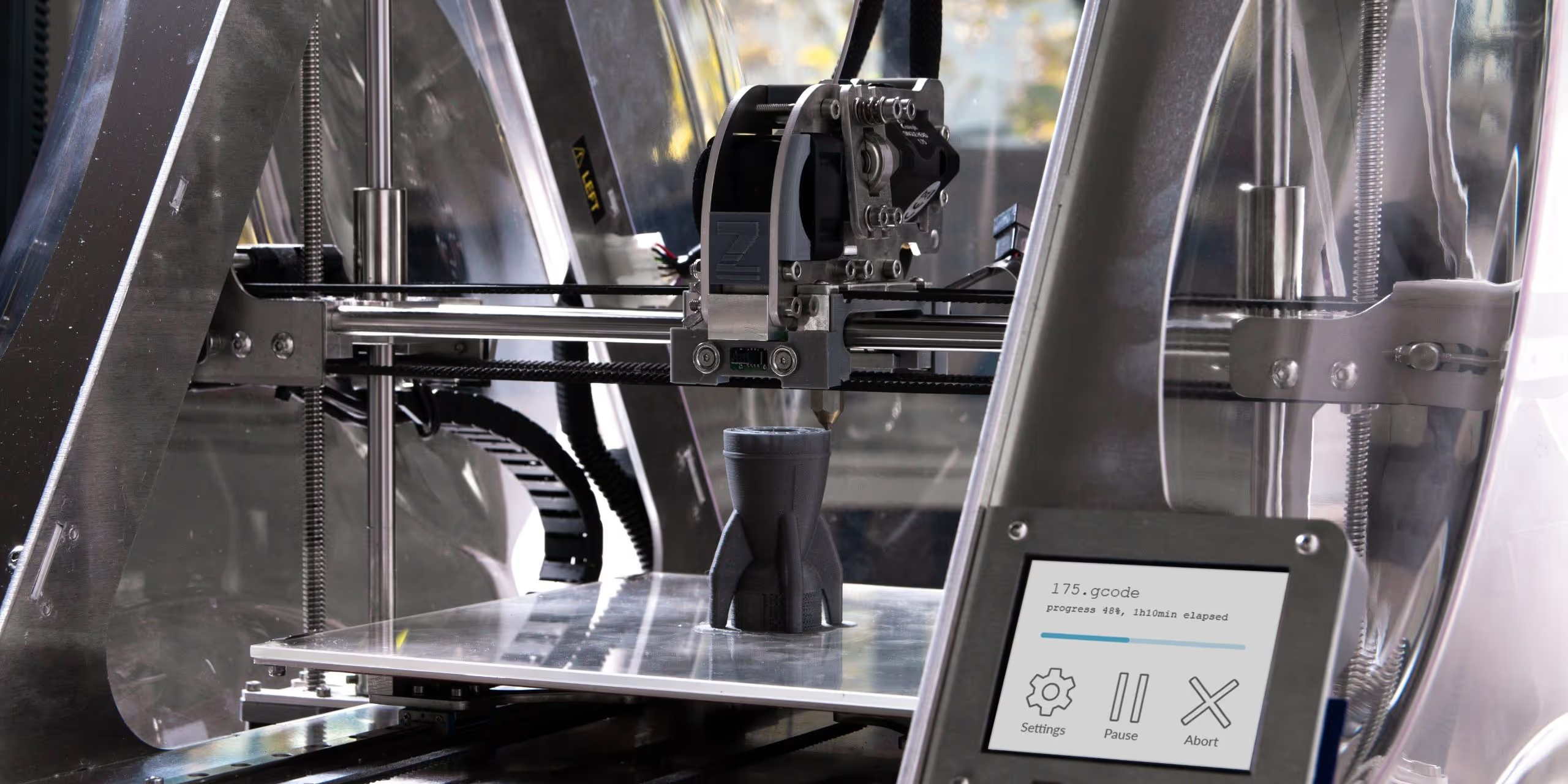
Image: Zmorph
CNC machining is a process that has long since driven the current industrial age and has a huge role to play in the future of the manufacturing industry. SMART factories and Industry 4.0 manufacturing would not be possible without CNC machining, which bridges the gap between manual machining interfaces and computers, ensuring consistent precision.

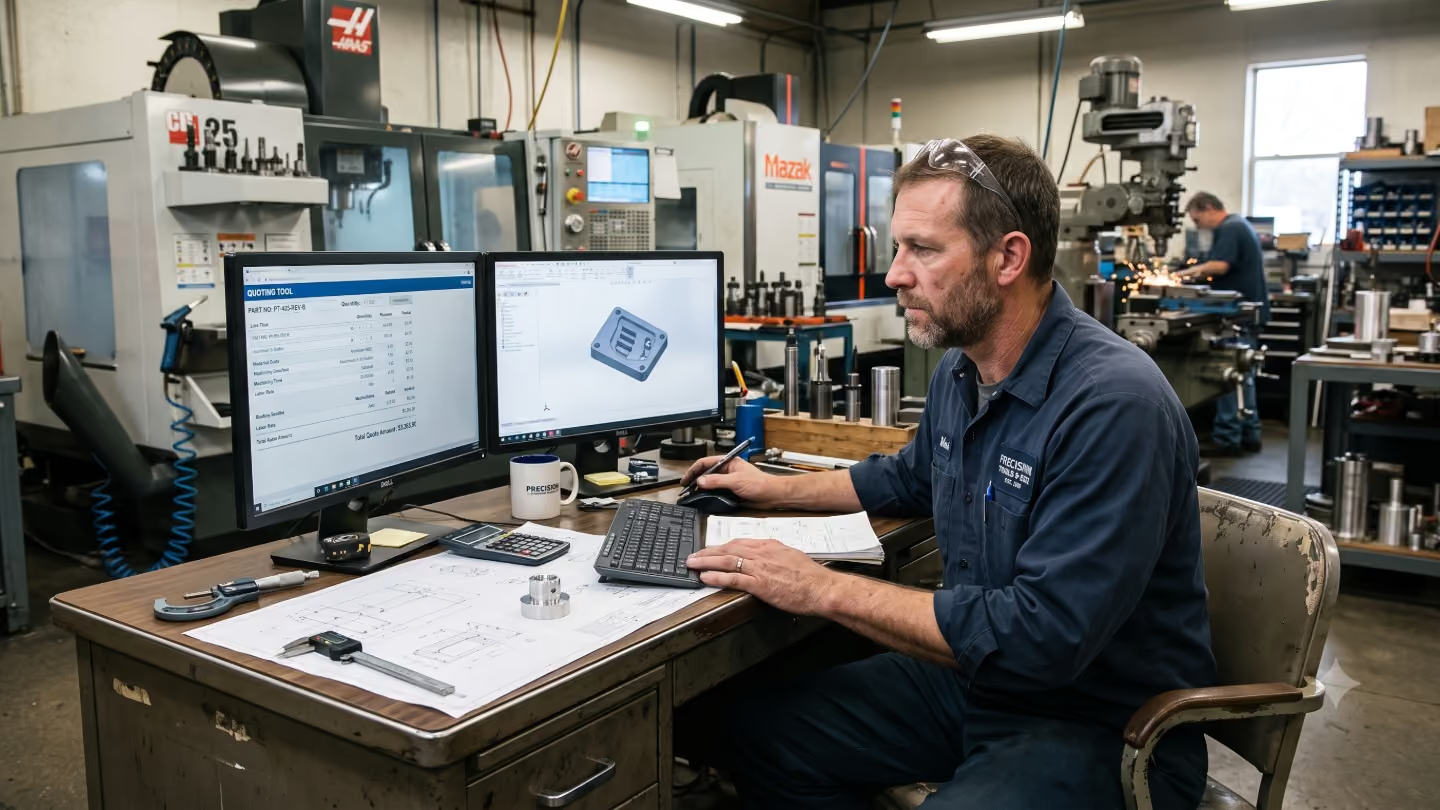
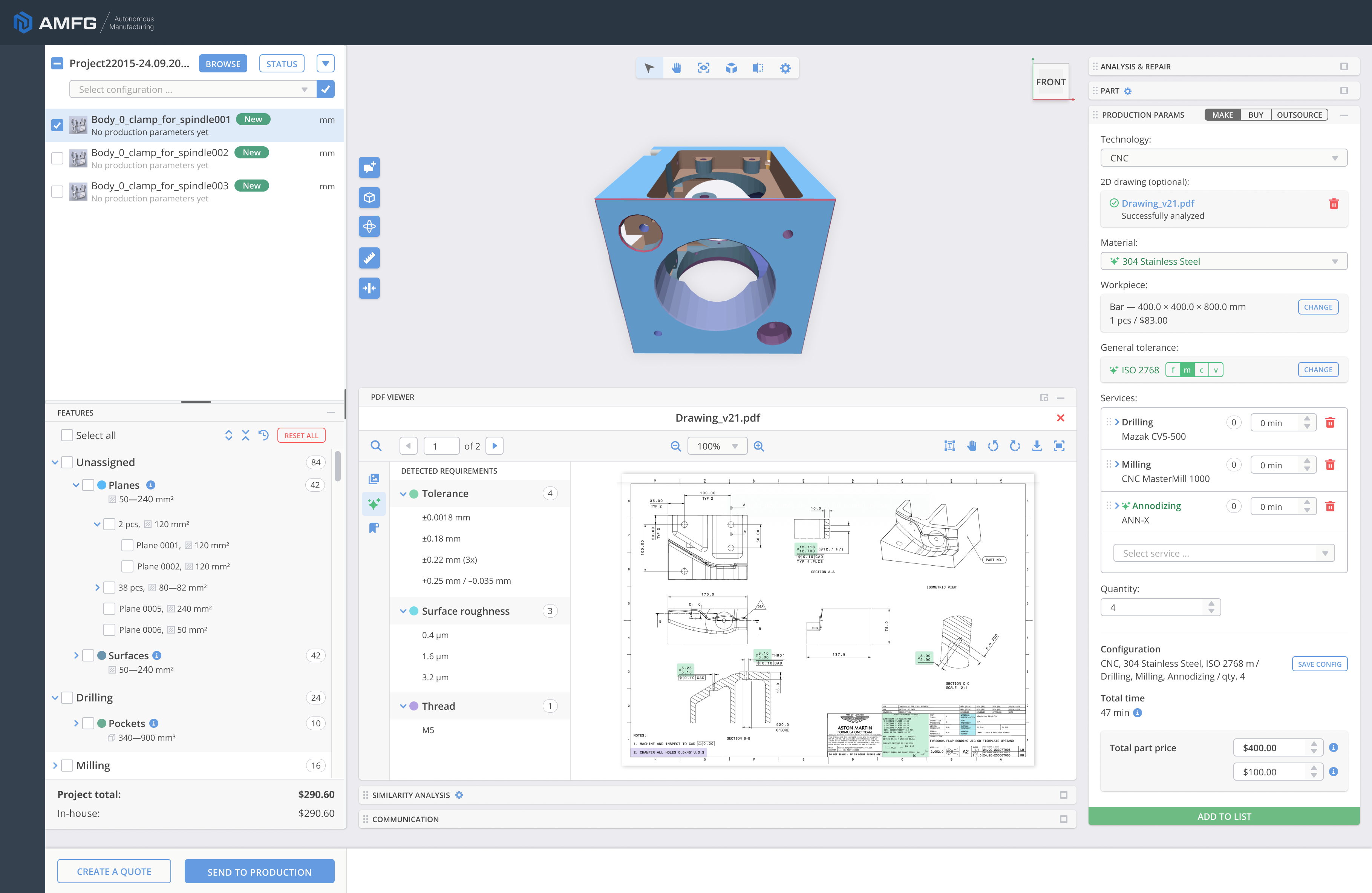
We work with hundreds of machine shops to enhance and accelerate their quoting process. Take control of your quoting procedure and streamline your pre-production workflow: our real-time inventory management empowers you to efficiently oversee your resources, leading to a smoother and more productive operation. Whether you’re an SME machine shop or a multinational OEM, AMFG offers a comprehensive end-to-end MRP system to enhance your inquiries, quoting, and pre-production processes.
Find out how AMFG can supercharge your Additive Manufacturing and CNC Machining processes today.


.svg)