Is Manufacturing Dirty, Dangerous, and Dull?
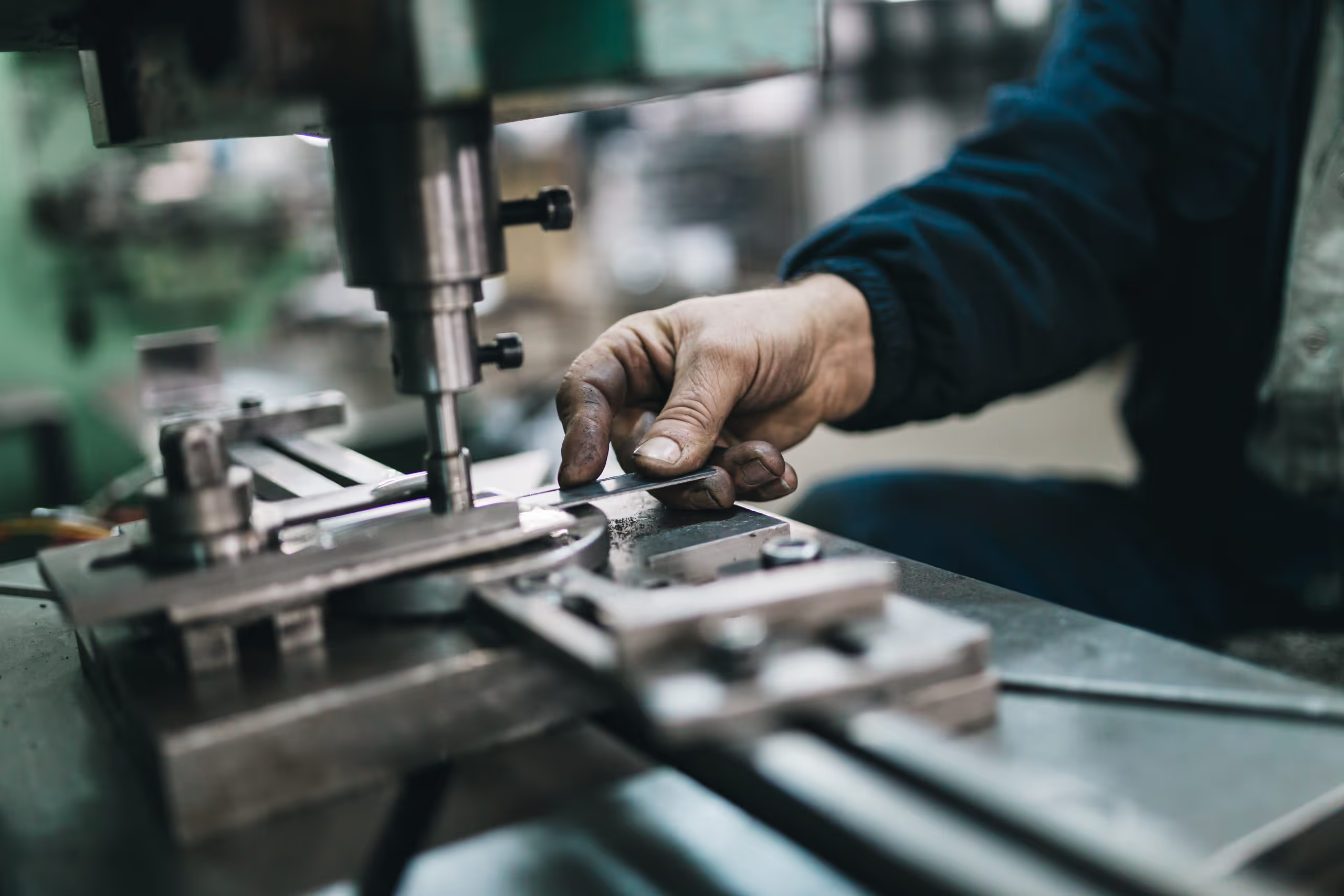


One of the reasons manufacturing is facing a growing skills gap is its reputation, with many viewing manufacturing jobs as dirty, dangerous, dull, and dear. Known as the four D’s, these misconceptions come from the world of robotics, but have plagued the manufacturing industry’s reputation for quite some time.
In 2025 these ideas are not only outdated, but harmful to the industry, as workers turn away from a career in manufacturing based on false beliefs. So, where did these misconceptions come from, how many people still believe them today, and what can be done to update manufacturing’s reputation going forward?
History
The four D’s were initially three, based on the Japanese concept of the 3K’s, “Kitanai”, “Kiken”, “Kitsui” meaning dirty, dangerous, and demeaning. This concept gradually changed in the West, with demeaning changing to dull, and by the mid 20th the three D’s were being applied to jobs seen as socially undesirable.
When robotics first entered the scene, robots were promoted on the basis that they would eventually take over these jobs, providing humans with better lives and working conditions. The fourth D “dear”, or expensive, was added to the conversation in 2017 by Andrew McAfee and Erik Brynjolfsson, in their book Machine, Platform, Crowd: Harnessing Our Digital Future.
In robotics, the four D’s are a strong selling point. After all, who wouldn’t want to get rid of a boring, dirty, dangerous, or expensive job? But where are those jobs found? Some are in warehouses, or sewage facilities, and unfortunately for manufacturing, many people think those jobs can be found on the shop floor.
Is it true?
Maybe 40 years ago manufacturing jobs really were dirty, dull, dangerous, and dear, but the industry has changed drastically in the last few decades.
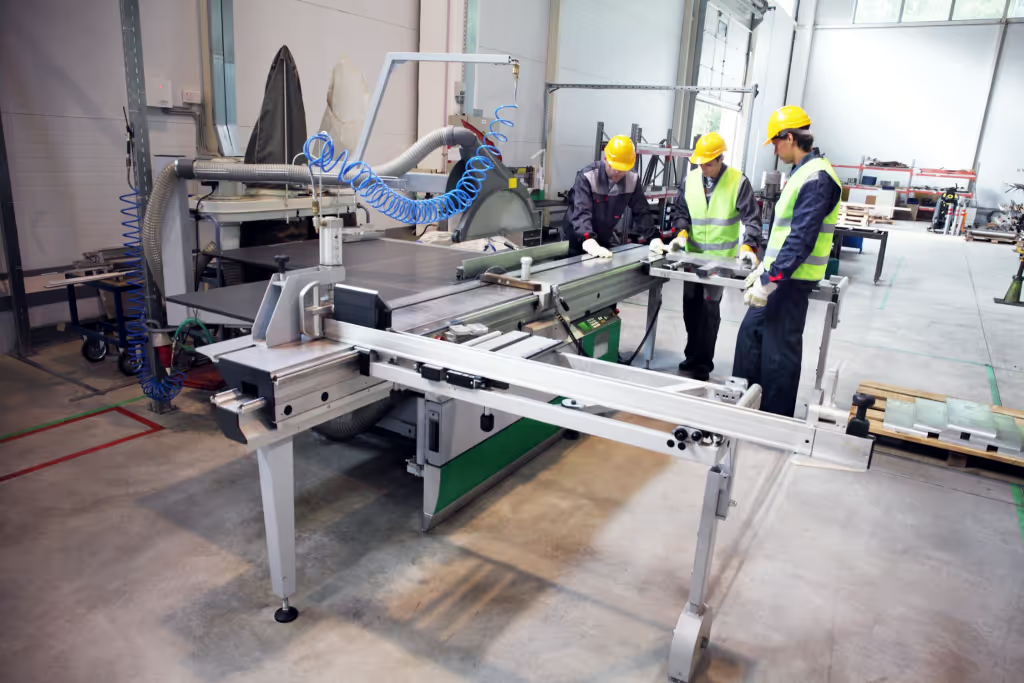
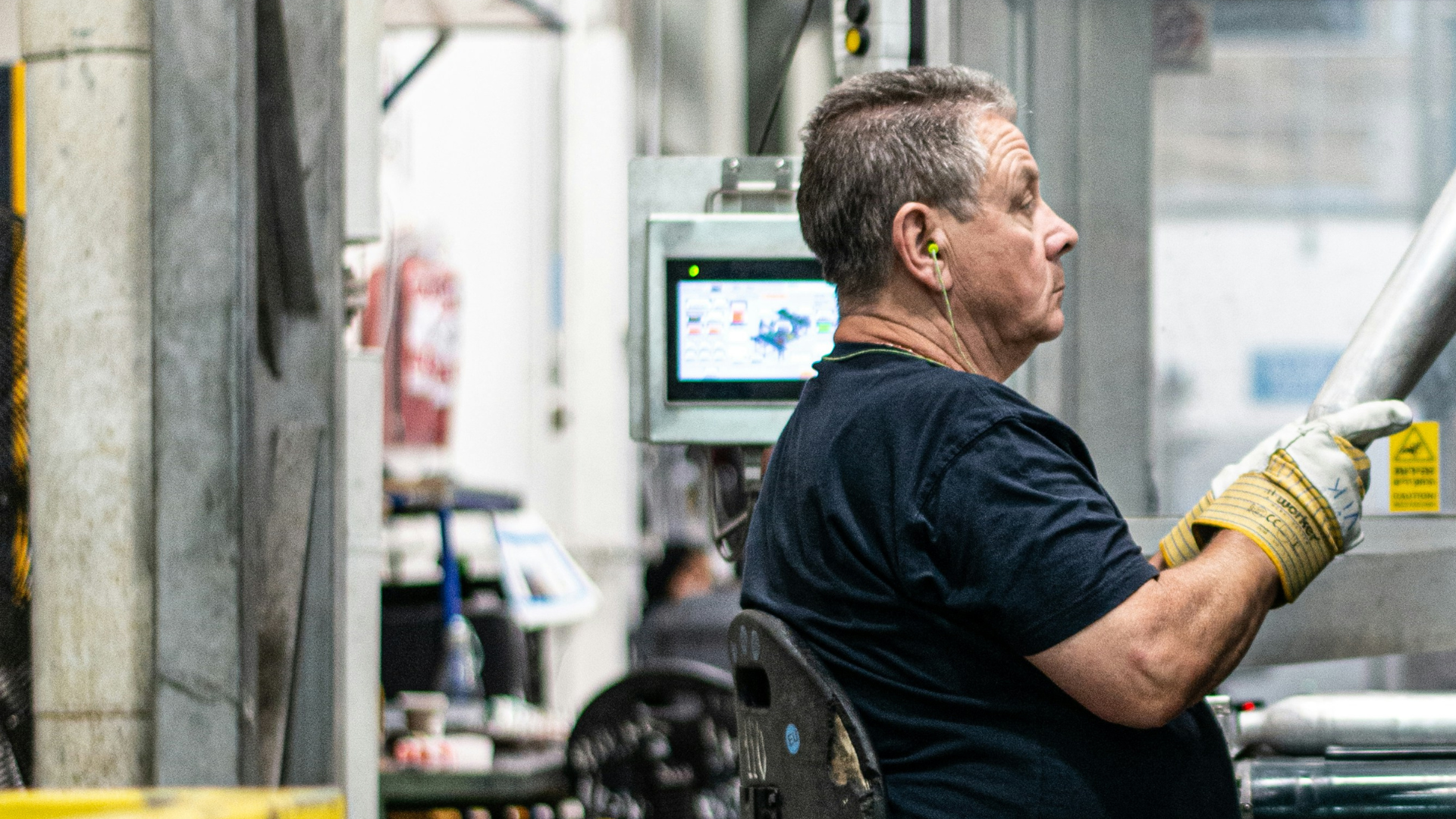
The combination of automation and health and safety policies, has led to a decrease in workplace injuries, as cobots and software take over jobs that used to lead to broken bones and aching backs. Nowadays manufacturers view a safe, clean, workplace as a competitive and strategic advantage and shop floors are swiftly moving away from being dirty or dangerous.
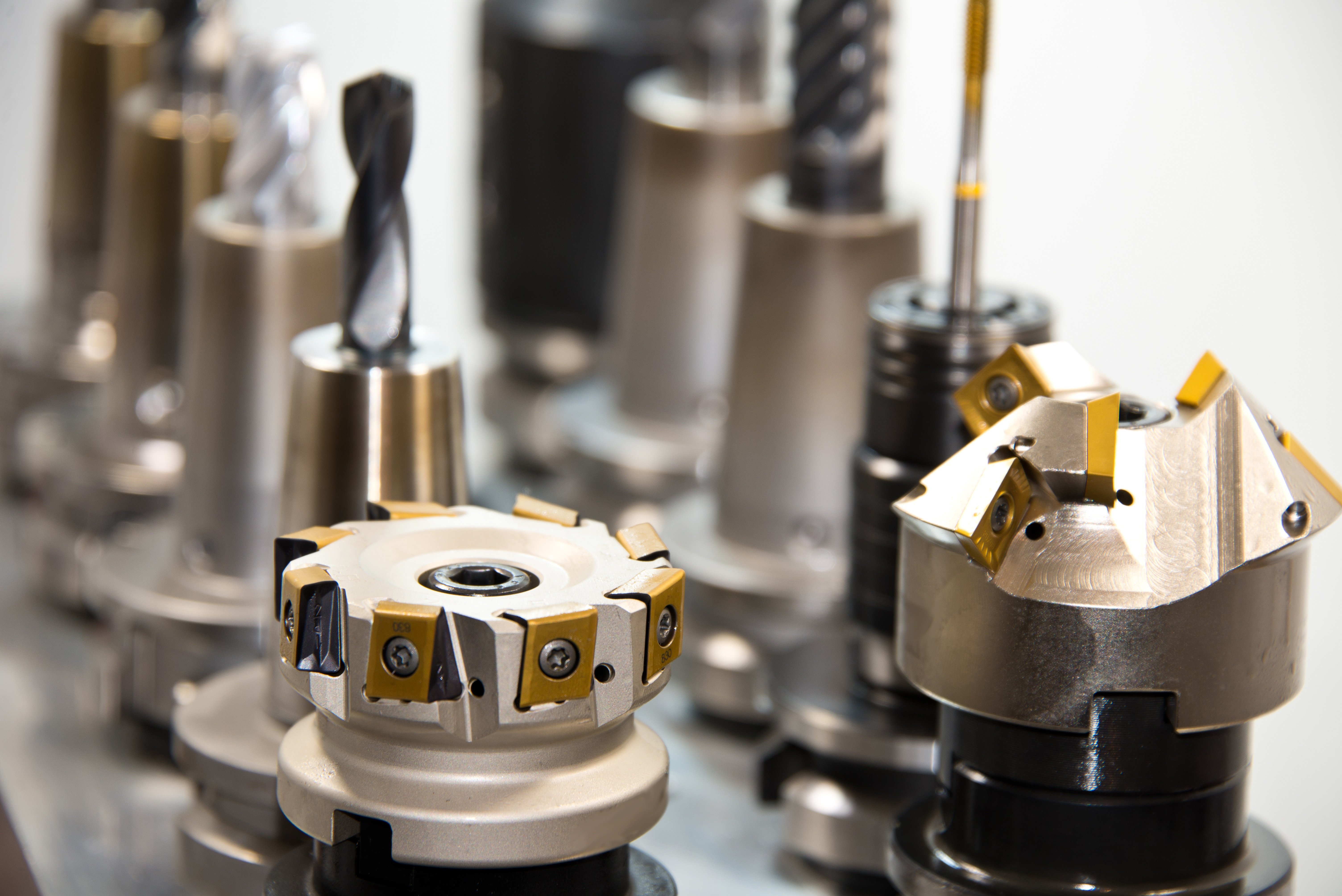
With the invention of advanced 5-axis precision machining and 3D printing, manufacturing has never been more technical or scientific. Machinists are now learning highly technical, transferable skills that require creativity and innovation, and few people would call making parts for an F1 race car or NASA rocket ship dull.
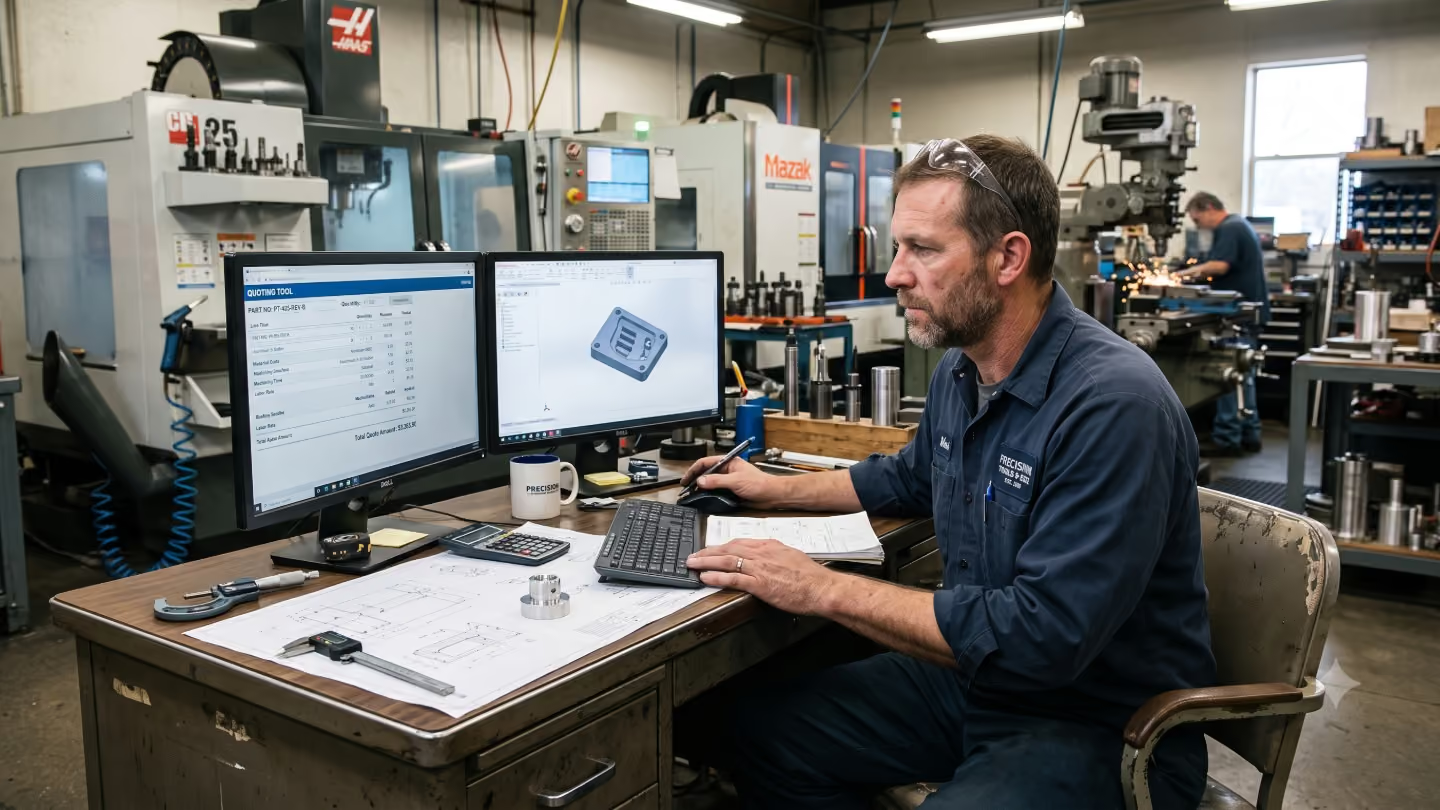
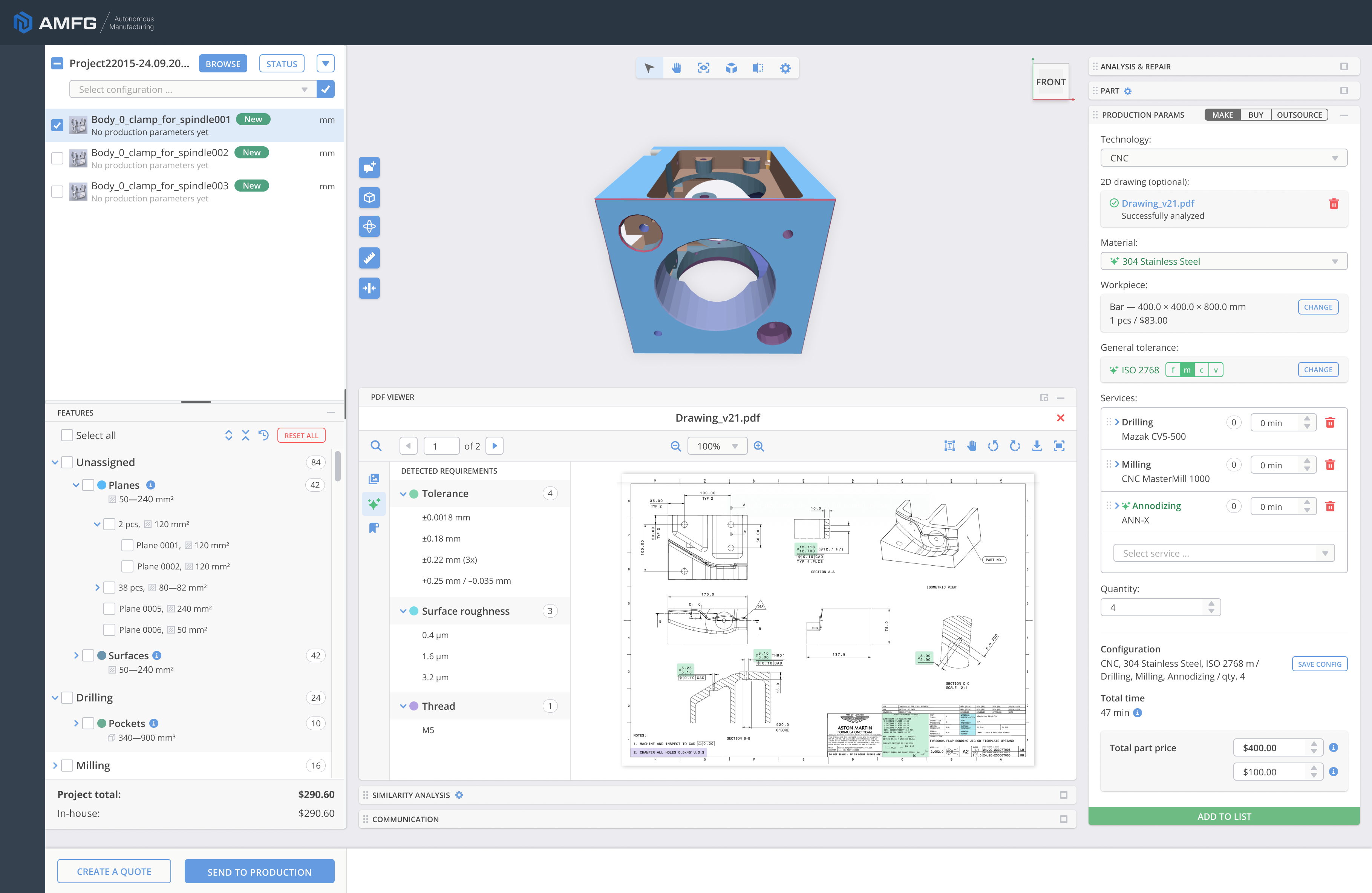
As for manufacturing jobs being dear, while tariffs may have had an impact on some shops profits, manufacturers that embrace automation software like AMFG’s rapid quoting tool have been able to thrive even as other shops struggle. With AMFG’s next-gen software, manufacturers can respond to RFQ’s immediately without having to lift a finger. With 78% of jobs going to the first responder, machine shops that use automation software to quote quickly, ensure they have a consistent stream of work and make a profit, not a loss.
Impact
While the industry may have moved on from the four D’s, its reputation has not. Only 32% of the general public who are unfamiliar with manufacturing believe that machine shops are safe and clean environments, and only 40% of parents would encourage their child to consider a career in manufacturing.
The impact of this is clear, as younger people choose not to enter the industry, with gen Z’s share of the manufacturing industry declining to 7% from 2019-2024, despite more than 20 million reaching adulthood in the intervening years. In the meantime, the skills gap is growing, with 2.1 million manufacturing jobs projected to go unfilled by 2030 in the US alone.
So what now?
Things are changing, albeit slowly, with companies, influencers, and politicians all working on reviving manufacturing's reputation.
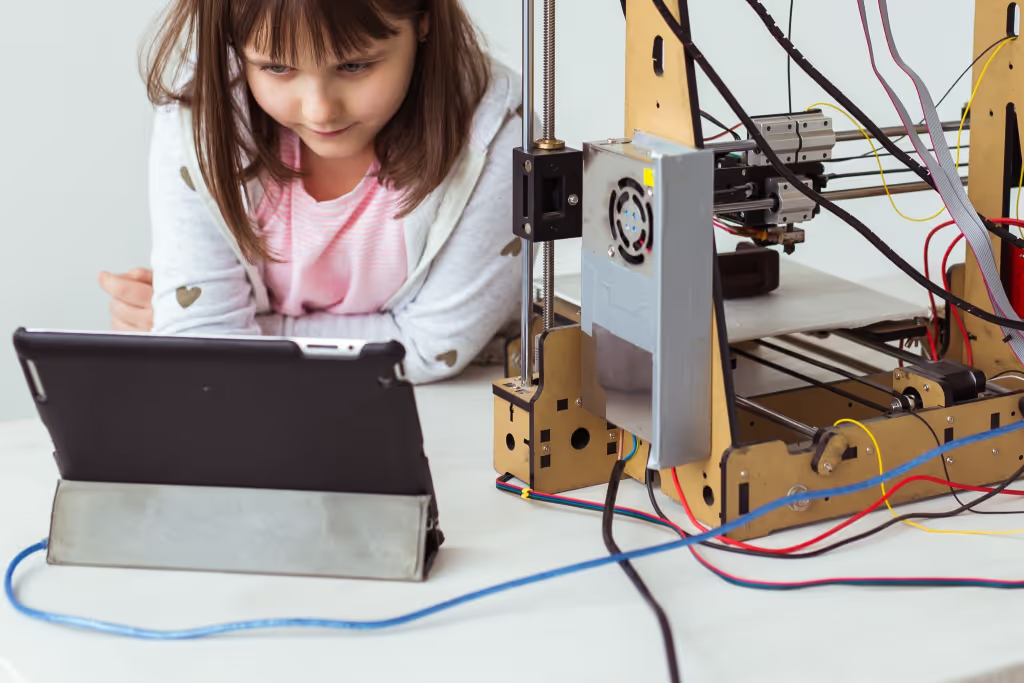
Educational programs in elementary schools ensure that children as young as nine or ten have an accurate understanding of what manufacturing entails. Apprenticeships and trade school programs for young adults are creating a steady stream of educated, experienced workers ready and willing to start milling, turning, and drilling.
Representation is also having an impact, with manufacturing influencers spreading awareness about manufacturing careers and the opportunities within the industry. With continued, consistent effort, the perceptions of the general public are gradually beginning to change, but it’s still not quite enough.
It’s not just younger generations that need convincing, it’s also the teachers, parents, and school guidance counsellors. Without their support, young adults who might otherwise consider entering the manufacturing industry will focus on corporate or academic careers, and the skills gap will continue to increase.
In addition to educational opportunities and social media presence, manufacturers can also engage in community activities like shop tours, sponsor events, or establish mentoring programs to engage with young adults and their wider support network. Ironically, while the robotics industry may have contributed to manufacturing's image problem, it may also help solve the problem. By emphasising the role of AI and automation software, manufacturers can highlight how technically advanced manufacturing actually is, and help make manufacturing cool again.
About AMFG
AMFG works with high-mix, low volume manufacturers across the globe, streamlining their operations with our cutting-edge software platform. Our scalable tools automate all stages of manufacturing operations, providing automatic quoting and order management. Using our software, our clients can adapt to complex demand with efficiency and precision, securing their place at the forefront of the manufacturing industry.
For more information, please visit www.amfg.ai or contact: press@amfg.ai

.avif)
.svg)