The History of CNC Machining


Report by Danny Weller
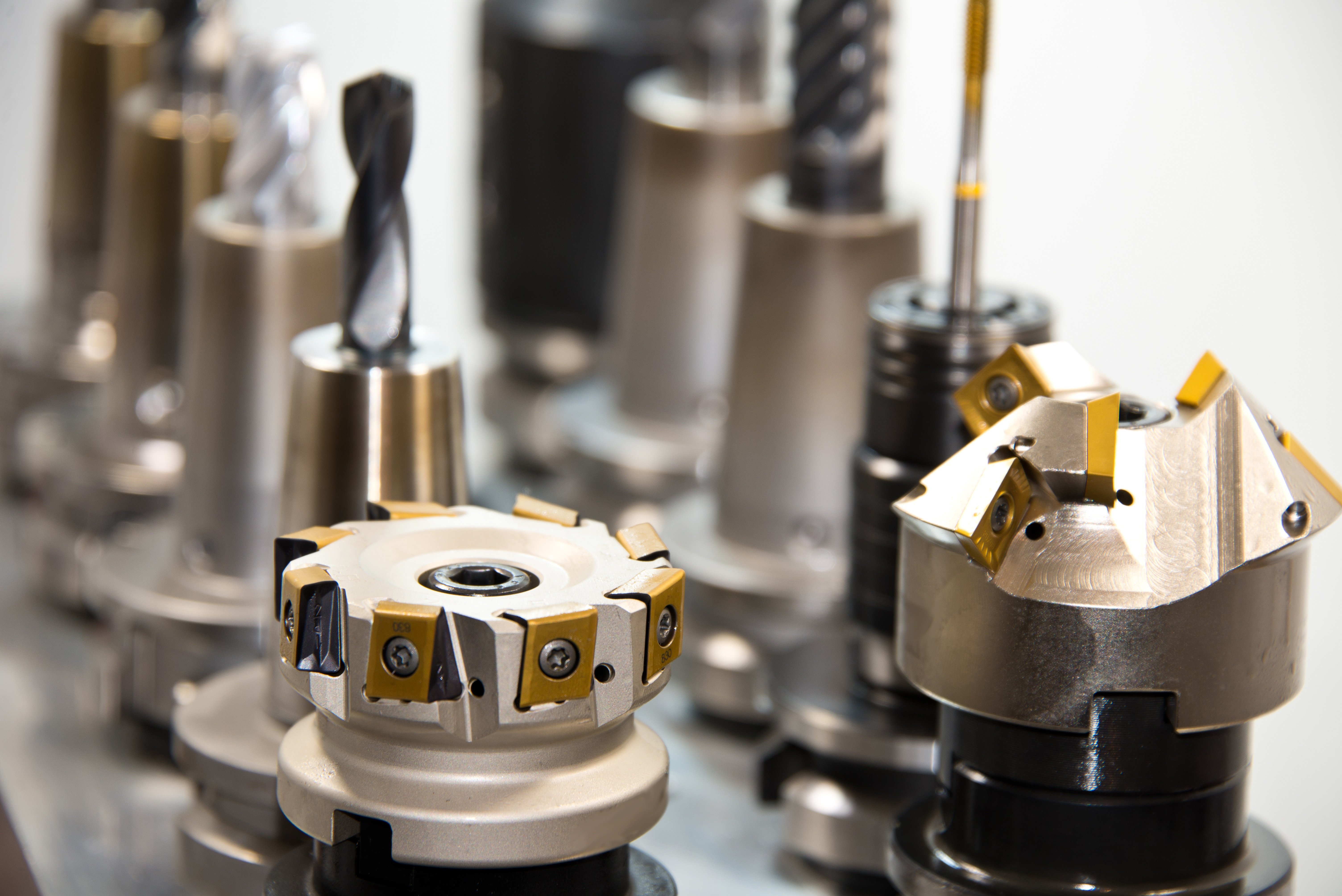
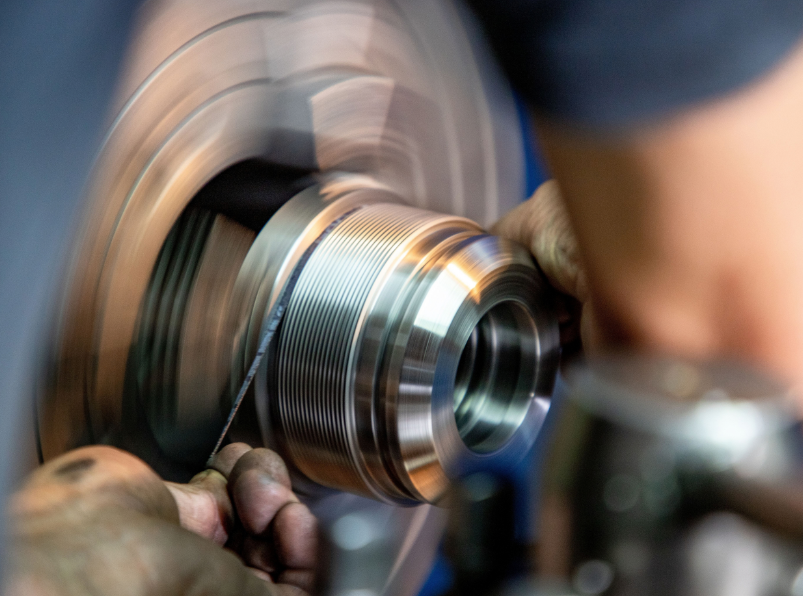
In the modern world, CNC (Computer Numerical Control) machining is a popular manufacturing process with a wide range of industrial applications. CNC machines help make planes, trains, and automobiles, as well as many other features of modern life. CNC machining is an advanced manufacturing process where precise computer programming guides machines to craft products. This subtractive manufacturing method involves instructing specialized tools like drills, mills, and lathes to meticulously remove material from a workpiece until the final desired product takes shape.
But what is the history of CNC Machining?
Numerical Control: The Forerunner of CNC
The history of CNC machining can be traced back to the 1940s when the first numerical control (NC) machines were developed. Numerical Control refers to programming a machine with machining instructions either on a punch card or on a magnetic tape. The inventor of the first NC machine was John T. Parsons, who designed it to operate directly off a set of punch cards that gave the machine its moving instructions. Parsons first used the NC machine to produce helicopter blades using mathematically developed aerofoil shapes in 1949.
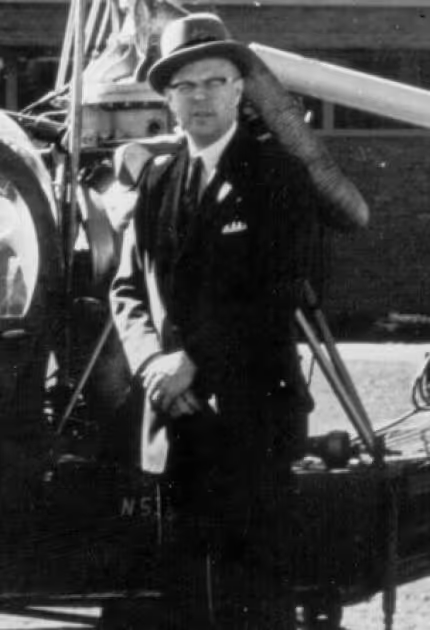
Image: National Inventors Hall of Fame
Parsons was recognized and rewarded for his early work. In 1968, the Numerical Control Society bestowed him with the first Joseph Marie Jacquard Memorial Award. The Society of Manufacturing Engineers also awarded him an honorary plaque in 1975, naming Parsons: “The Father of the Second Industrial Revolution.” Over time, these machines became more widespread and sophisticated. This gave them the capability to fulfil the requirements of a variety of industries including aerospace, automotive, and defense. This concept laid the groundwork for the further development of the CNC machine.
The Birth of CNC
A machine can be described as having CNC control if it operates from a set of computer-generated codes that give the machine instructions on where to move the tool and at what speeds to machine the final part.
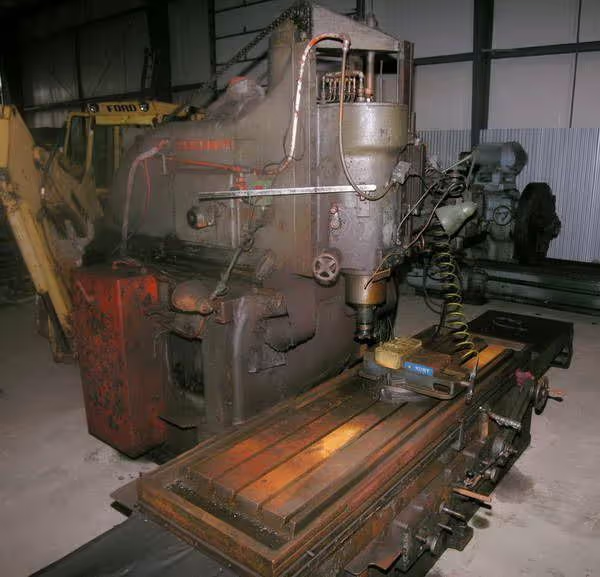
Image: WOTOL - The Cincinnati Milacron Hydrotel
J.F. Reintjes led a team of researchers at MIT (Massachusetts Institute of Technology) in developing the prototype CNC milling machine. The first commercially available CNC machine, the Cincinnati Milacron Hydrotel, was developed by Richard Kregg in collaboration with MIT.
This 28-inch vertical-spindle contour milling machine operated using eight-column paper tape, a tape reader, and a vacuum-tube electronic control system, became a focus for future developments. Cincinnati Milacron became one of the first manufacturers of CNC machines. CNC machines revolutionized the manufacturing industry by enabling the production of intricate shapes that were previously unattainable through manual milling methods. CNC machining allowed for the creation of precise components following mathematically designed profiles, including complex non-linear curves, a feat often unfeasible with traditional manual techniques.
The primary goal in developing CNC machining was to consistently produce accurate parts with minimal human involvement, yielding reduced per-part costs without compromising quality standards.
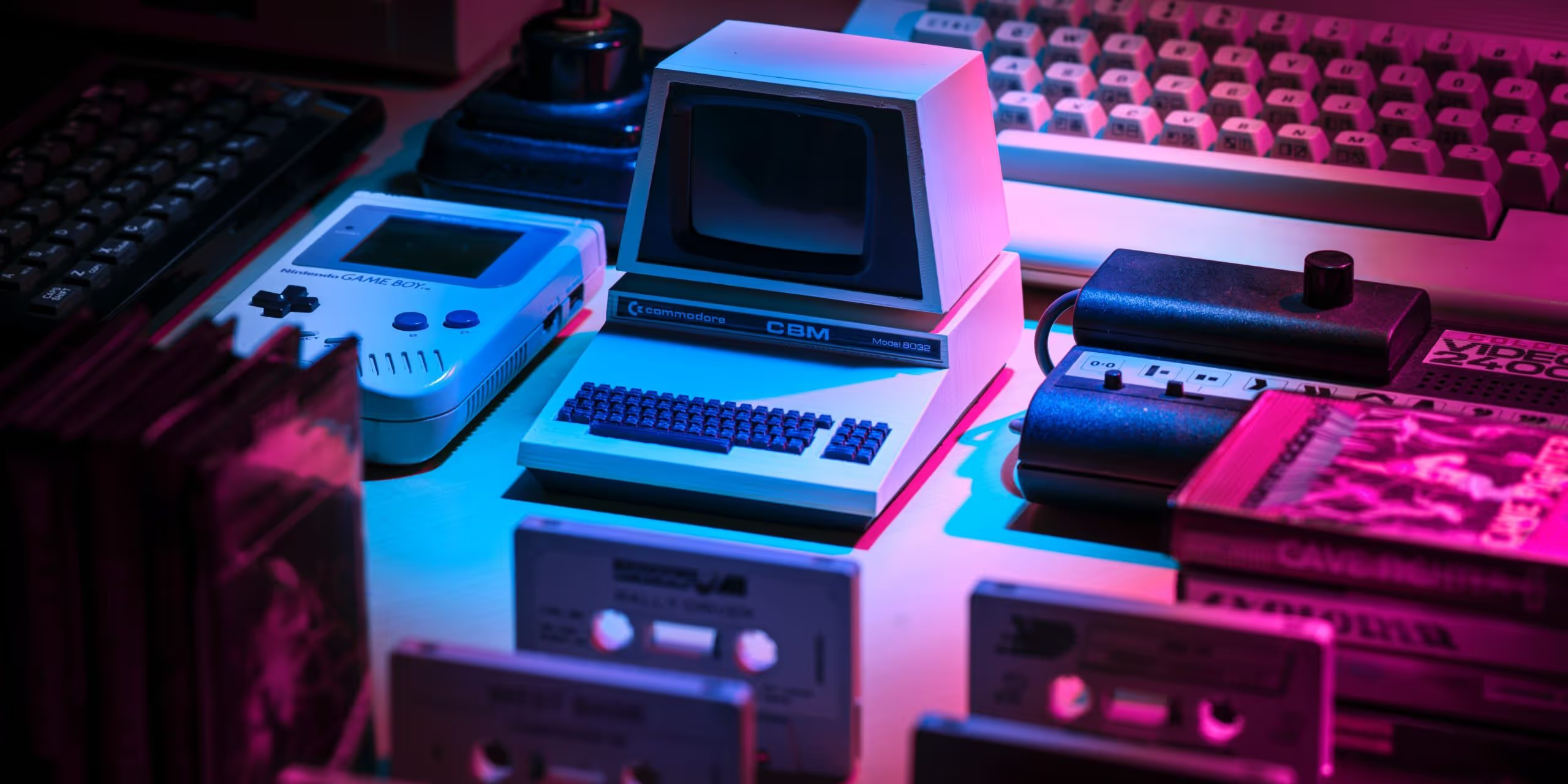
Image: Lorenzo Herrera
The Computer Age
Following the Cincinnati Milacron Hydrotel, CNC machines continued to advance in complexity. The advent of digital computers in the 1970s took this even further. The new CNC Machines came with computer controls and could process information more quickly and accurately. Operators could seamlessly input data directly into CNC machines, which then autonomously executed the necessary tasks.
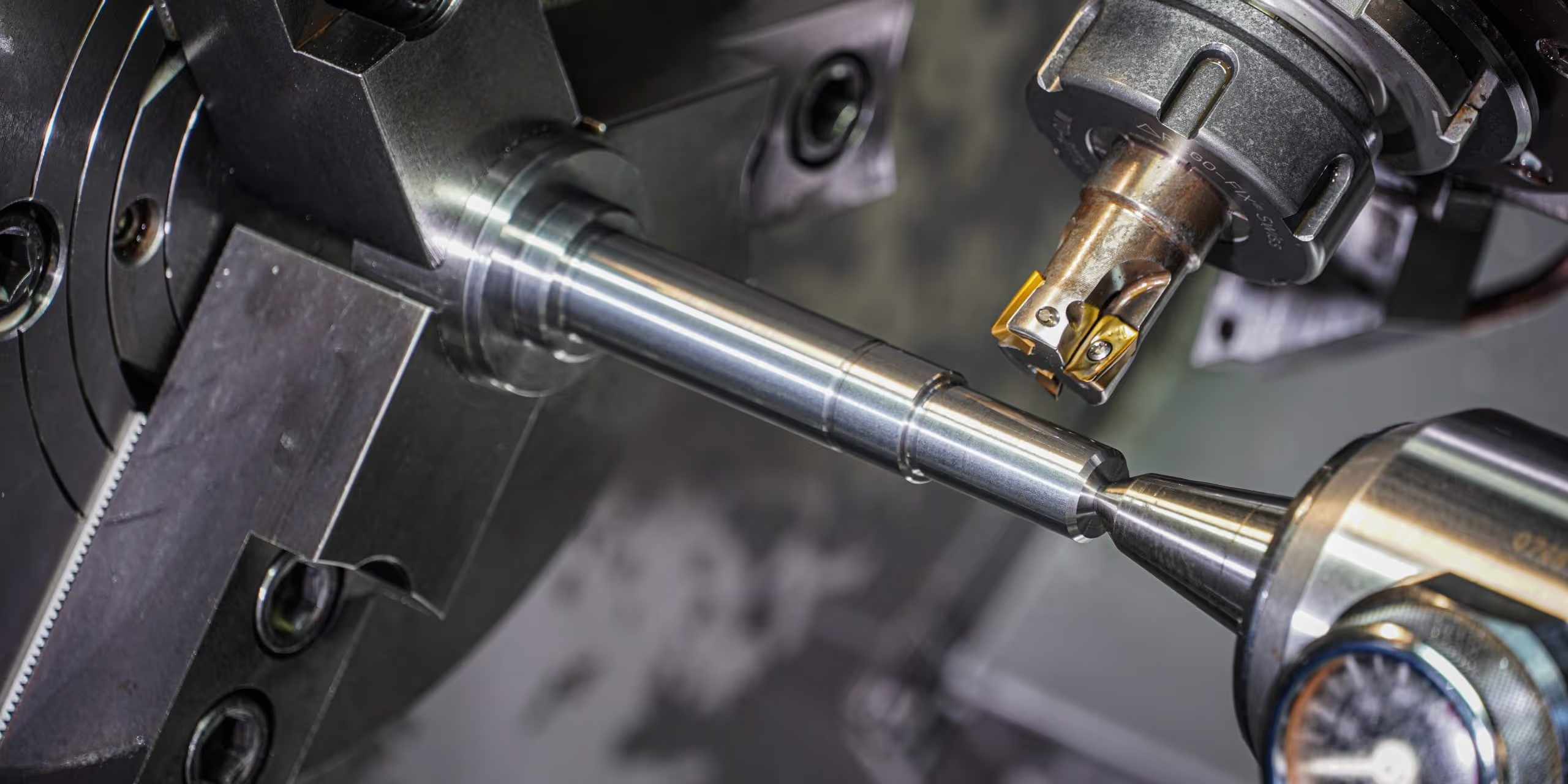
Image: Sven Daniel
Significance of CNC Manufacturing Today
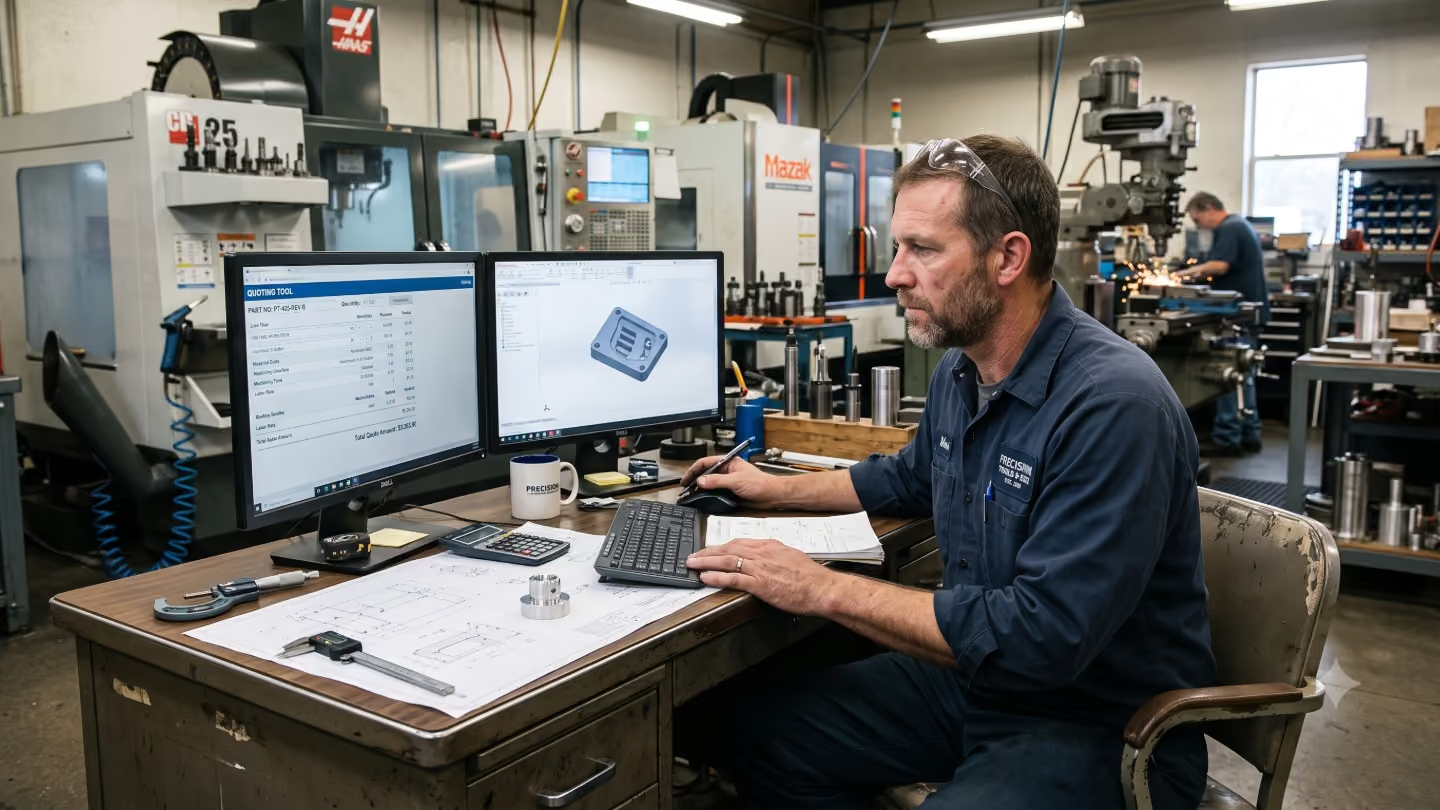
In the modern age integration of advanced robotics systems into CNC machines has significantly enhanced productivity, leading to a substantial reduction in labor demands for component manufacturing. Today, CNC machines are common across multiple industries such as aerospace, defense, automotive, and electronics, and are capable of producing a diverse range of products with high levels of accuracy and precision. In the 21st century, the role of traditional machinists is quickly fading, and the demand for CNC specialists is growing. In many industries, the job outlook is robust; some predict technology jobs such as operating CNC equipment will account for 40% of future open job positions.
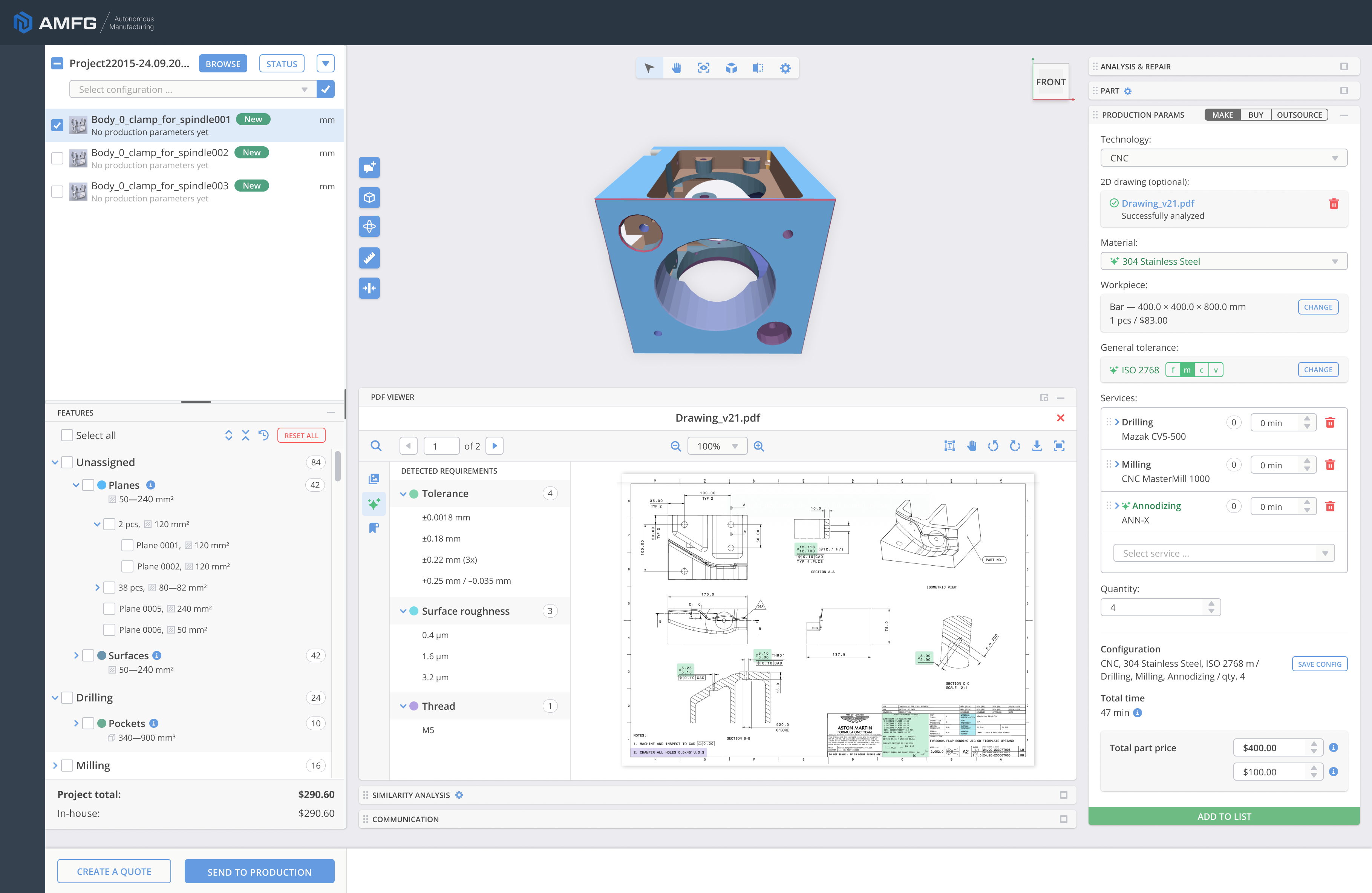
Discover how AMFG can streamline your CNC preproduction processes today.


.svg)