The Cost of Tribal Knowledge for Machine Shops


Key Takeaways & Summary
- What is Tribal Knowledge? Unwritten operational intuition, shortcuts and pricing logic retained in experienced employees' heads rather than documentation.
- The Core Problem: Over 82% of manufacturing departures are due to retirement, causing machine shops to lose decades of critical pricing and production wisdom.
- The Financial Cost: Unshared knowledge leads to redundant work, harder onboarding, slow RFQ turnarounds and margin-eroding pricing errors.
- The Solution: Modern machine shop Estimating & Quoting software (like AMFG) uses Geometric Estimating Engines and AI drawing analysis that standardizes and digitizes pricing logic while building a centralized, searchable log of quotes.
What is Tribal Knowledge in a Workplace Context?
Tribal knowledge is the unwritten knowledge that has accumulated based on experience. It is the shortcuts, the processes, work arounds or systems that haven't been documented. It is often not shared or only passed down orally.
While standard operating procedures set the baseline, it is the tribal knowledge that keeps machine shops running smoothly. It comes from insights that are learned over the years of hands-on experience, like accounting for the small adjustments engineers make based on the quirks in the machine, or when your best estimator retires and there’s suddenly no one to go to check for the accuracy and consistency of the quotes that are being sent out.
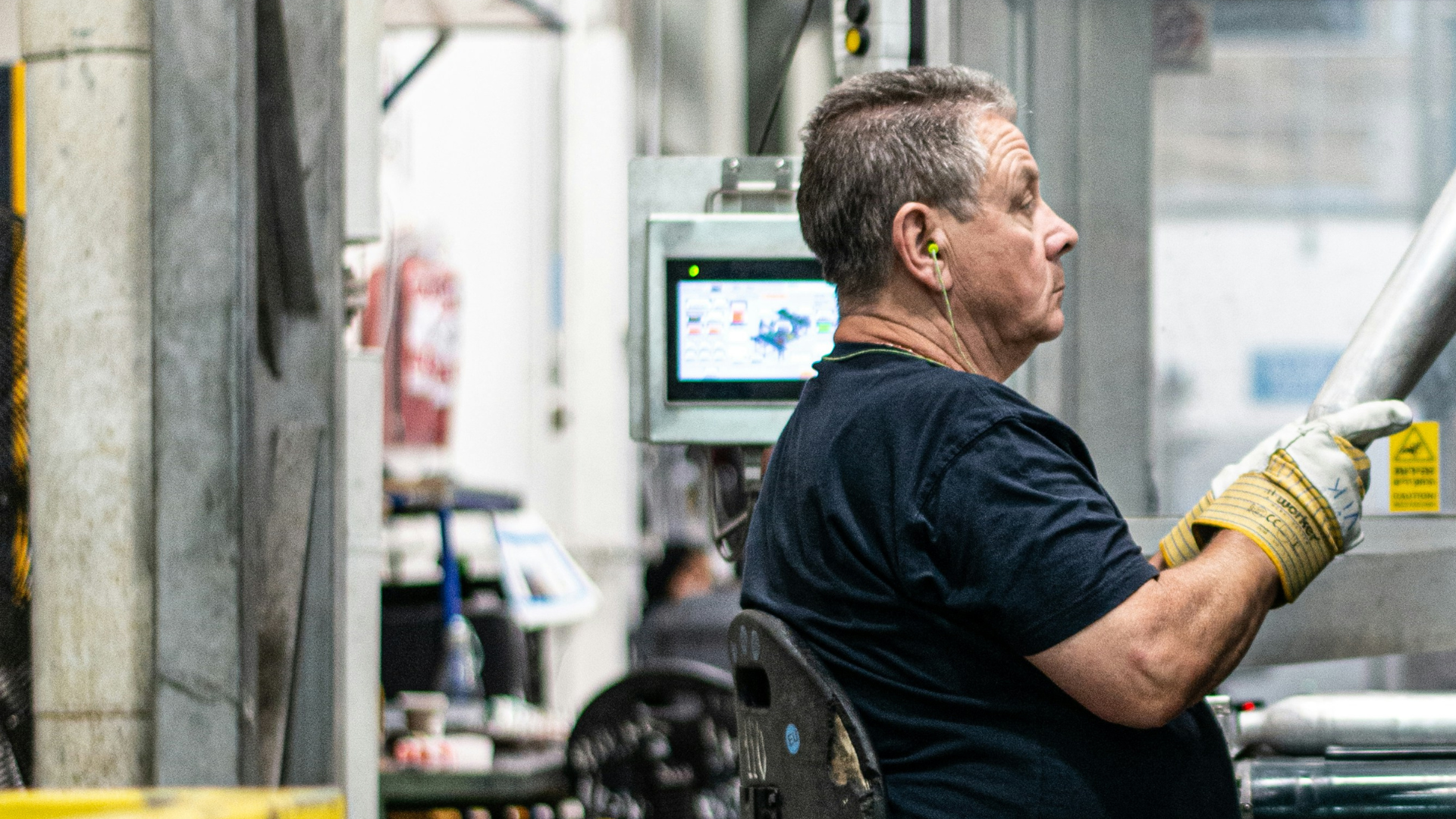
With the aging manufacturing workers and the lack of standardized practices, the industry is sandwiched between the loss of information paired with the lack of labor to learn these practices. Each year, the population of manufacturing employees that are over the age of 55 is climbing every year. Senior engineers are retiring, with 82% of people who left a manufacturing job did so due to age, taking the knowledge that kept their shops running smoothly with them. It creates a quiet but serious risk vulnerability, and the cost of these unwritten rules loom over all machine shops.
The Challenge of Tribal Knowledge
Unconscious Competence and Gut Feel
Documenting the tribal knowledge remains a challenge, as it shows up as sensory or unconscious changes made by gut feel. Experienced machinists aren’t aware of the minor adjustments they make as they produce the parts, as it comes like second nature to them.
Estimators that have been doing it for years base their quotes on their personal experience and understanding of how long it took them to machine the parts. When these experienced members are asked about processes, they don’t cover these small changes or their logic as it is context dependent and they sometimes think it is too obvious to write it out. As a result, defect rates rise and consistency goes down when these members leave and it takes months for the rest of the team to pick up and relearn the knowledge that had been lost.
High Mix, Low Volume Complexity
In a high mix, low volume shop, no two jobs are the same and the pricing logic that helps the shop stay profitable isn’t documented. The understanding of which features will add more hours to the job, or which customers pad their tolerances and which ones actually mean it lives in the heads of the estimators. Costs can vary significantly by:
- Complex 3D part geometry and feature density.
- Material machinability.
- Geometric Dimensioning and Tolerancing (GD&T) specifications.
- Post-processing heat treats, platings and finish requirements.
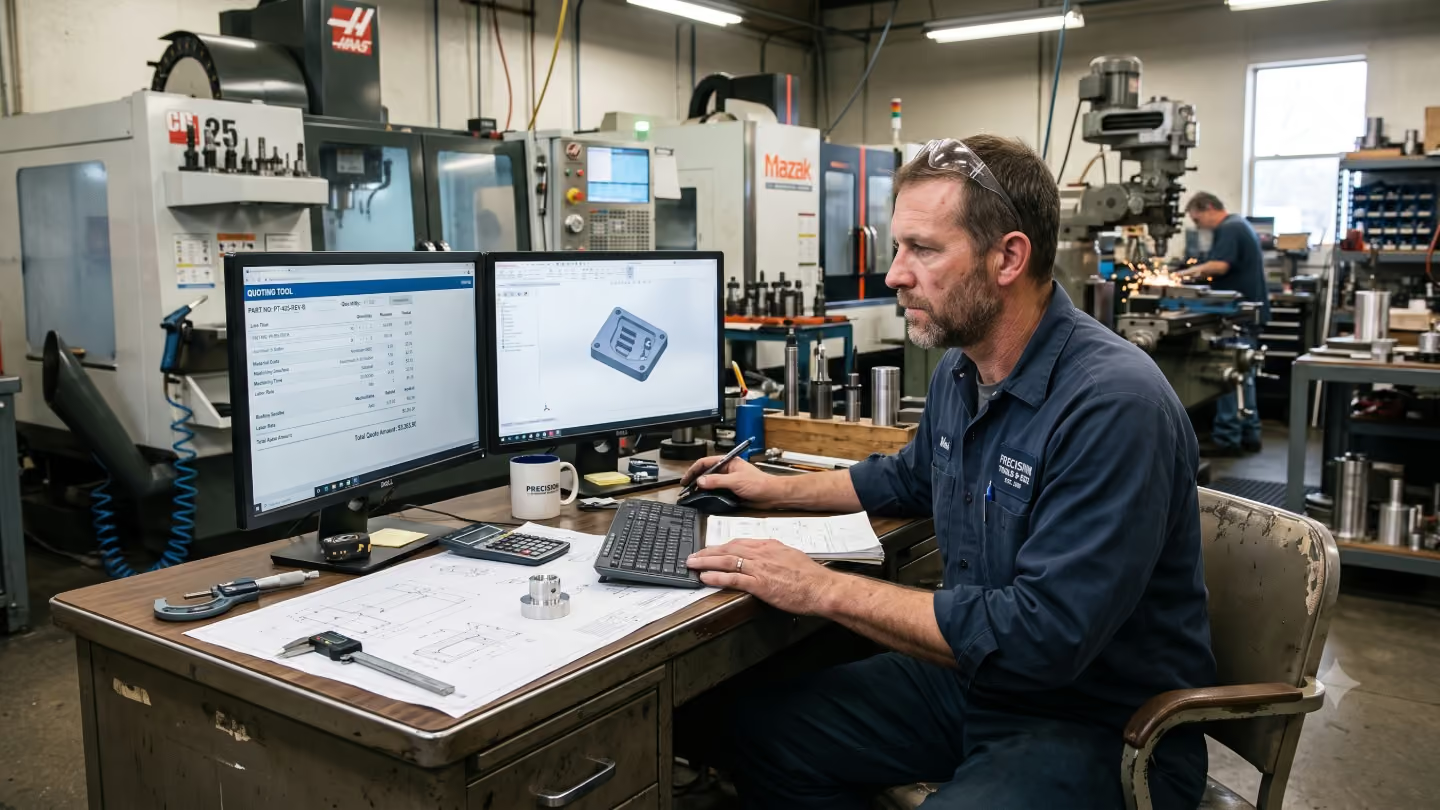
Many job shop estimators share with us how prior to implementing AMFG they had created quotes based on experience and guesstimates. Consistency was an issue among these estimators, as they wouldn't have a standardized approach to calculating and would base estimates off similar parts they did in the past.
The Actual Cost of Unwritten Rules
Failing to digitize operational memory affects three different areas:
- The Cost of Redundant Work and Onboarding
When institutional knowledge isn’t shared, every team member must repeat the same trial and error learning curve. Estimating and quoting is heavily based on experience, making it notoriously difficult to document.
If a junior estimator has to quote a part from scratch, it takes them significantly longer than a veteran who has previously manufactured a similar part. Multiply this trial and error process where new staff have to continually resolve old problems because of poor handoffs. Your shop loses hundreds of hours to problems that were solved before, creating a time drain that cuts into shop profitability. - The Cost of Lost Work
New estimators often default to caution, double checking and and counting features to make sure they account for everything in their quote. This ends up taking them more hours to create a quote than expected, delaying RFQ turnarounds which can cost them the job. - The Cost of Errors
As new members replace those who are equipped with years of tribal knowledge, they are more prone to making mistakes that had been previously avoided due to the difference in their experience. The new estimators either add too much or not enough margin to the quote which either loses the job or erodes profitability.
Signs Your Shop is Over Reliant on Tribal Knowledge
Audit your shop’s dependence on key persons with this checklist.
- Quote Turnaround Slows When Your Lead Estimator is Out
If your quote turnaround halts when your lead estimator isn’t around, that is a clear indication of knowledge being concentrated within one key person. - Inconsistent Estimates Across Estimators
When two different estimators quote significantly different prices from the same CAD and 2D designs, it is a clear signal that the pricing logic isn’t standardized across your shop. - Nobody can Explain the Why Behind a Price
The knowledge is not documented if they can’t explain why they had created an estimate and quoted a job the way they did. If it is simply built on guesstimates, it is something that can’t be taught without years of experience.
- Historical Quotes aren’t Referenced
If the quotes that were sent hasn’t been put into a system to be searchable or referenced, the years of knowledge would vanish when the estimator leaves.
Strategies to Capture Tribal Knowledge
The real bottleneck is the fact that veteran estimators’ knowledge only exists in their minds, and manufacturing is shifting to automation aided approaches to supercharge their knowledge capture and operational processes.
Overcoming reliance on unwritten rules does not require senior estimators trying to type out manual documentation. Modern manufacturers leverage machine shop quoting software to capture pricing logic and operational nuances.
AMFG does this through capturing the estimating and quoting process and flexibly implementing the machine shop quoting software to reflect your floor needs.
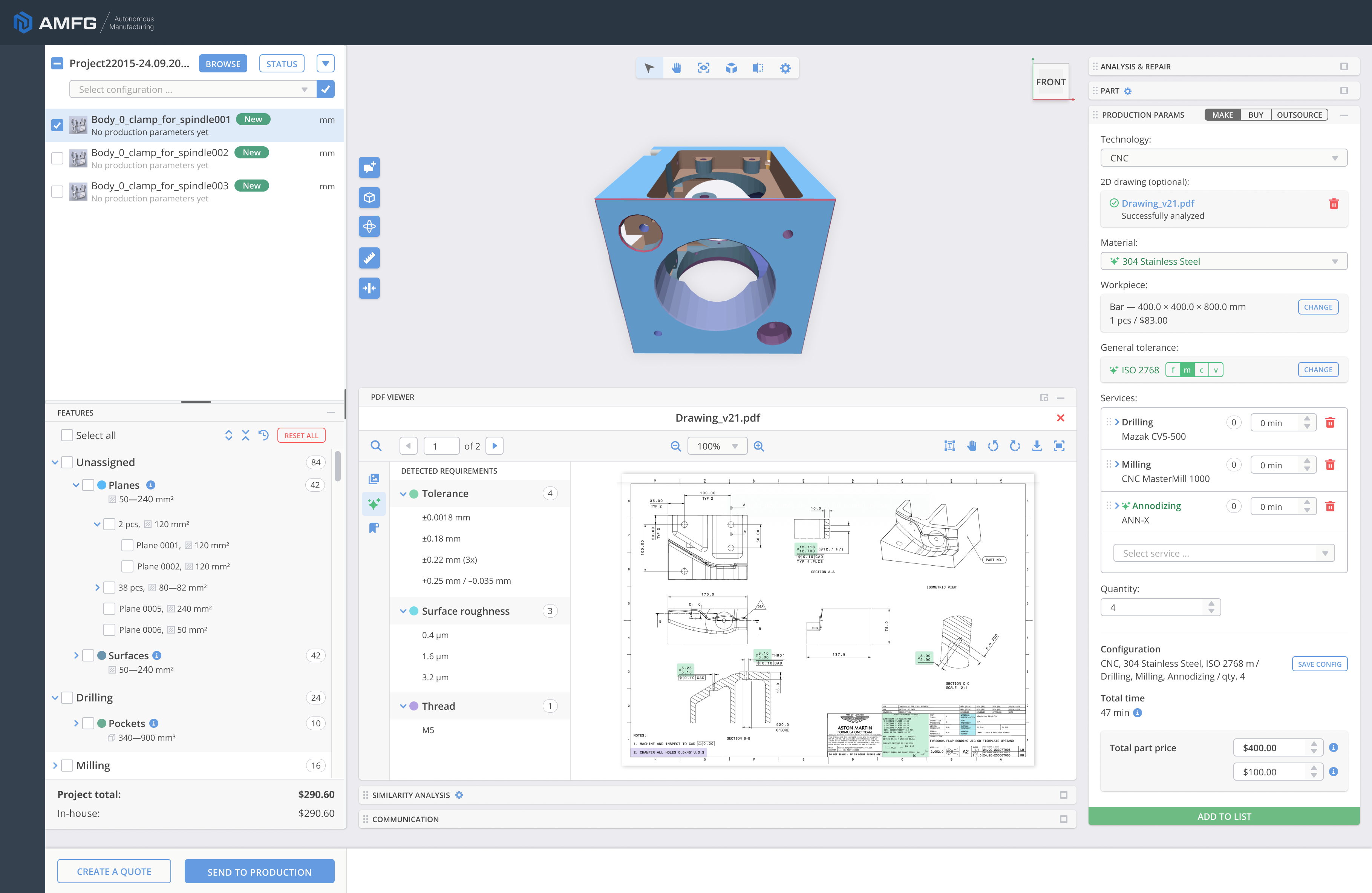
- AMFG uses a geometric estimating engine that bases their estimates and quotes to actual geometries, materials and post processing steps to cost what they will create.
- Trains the geometric engine based on previous quotes the machine shops provided to finetune costing logic.
- Customer implementation team can adjust estimation quote calculations based on actual shop floor processes to standardize quoting approaches.
- Creates a centralised digital memory of all the quotes run through AMFG.
Tribal knowledge consists of the unwritten insights and operational intuition stored exclusively in individual minds rather than documented processes.
Relying on unwritten rules creates significant financial risk through redundant work, prolonged employee onboarding and pricing errors that erode profitability.
By capturing this institutional memory using modern machine shop quoting software, such as AMFG's Geometric Estimating Engine and AI drawing analysis. manufacturers can standardize pricing logic, preserve veteran expertise and convert unwritten intuition into a permanent operational asset.
Frequently Asked Questions on Manufacturing Knowledge Management
Does machine shop quoting software replace human estimators?
No. Systems like AMFG rely on a "Human-in-the-Loop" model where AI handles feature extraction, volume calculations and initial drafting, while estimators validate the quotes before they are sent out.
How do you capture tribal knowledge without slowing down senior staff?
By embedding knowledge capture directly into the quoting workflow. AMFG's automated geometric engines extract data from CAD files and drawings, while also taking a customizable system feedback loop to align the algorithm to the senior estimate’s pricing logic.


.svg)